Disaster Preparedness Tips for Deaf and Hard of Hearing People
People who are deaf or hard of hearing may face additional challenges during disasters, from receiving urgent updates to communicating with emergency services and support networks when they need help.
Planning ahead and using accessible tools and services can help stay informed, connected and respond safely when severe weather or other emergencies occur.
Start Here – 3 Quick Actions
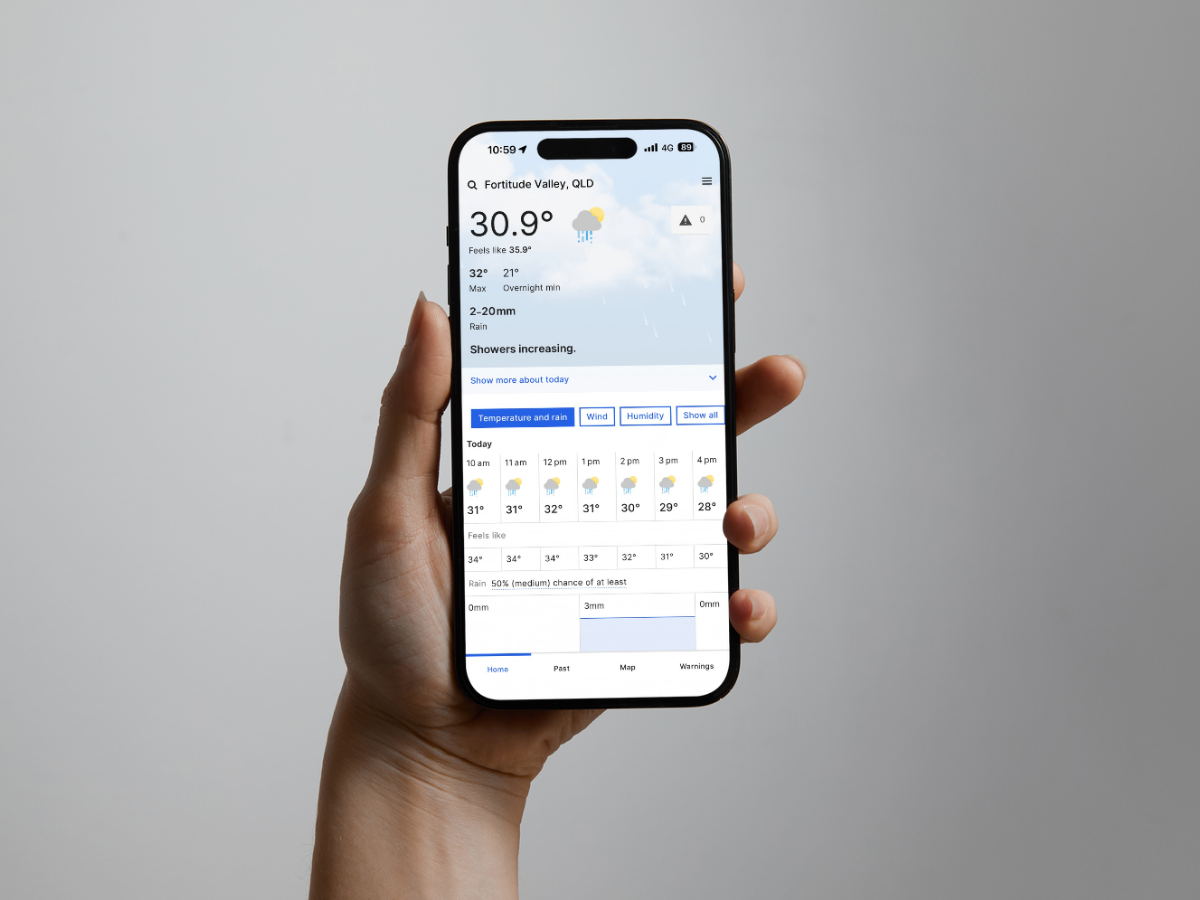
| Sign up for text or visual emergency alerts from your local council and the Bureau of Meteorology Many councils offer SMS alerts, email notifications, or emergency apps that send written updates about severe weather, evacuation advice and road closures. These alerts can help you receive important information quickly and decide what actions to take. Helpful Tip: Severe Weather and Emergency Alerts can be issued at any time, including during the night. Make sure your phone is set to vibrate, use flashing lights, or other notification features so you won’t miss important alerts while sleeping. |
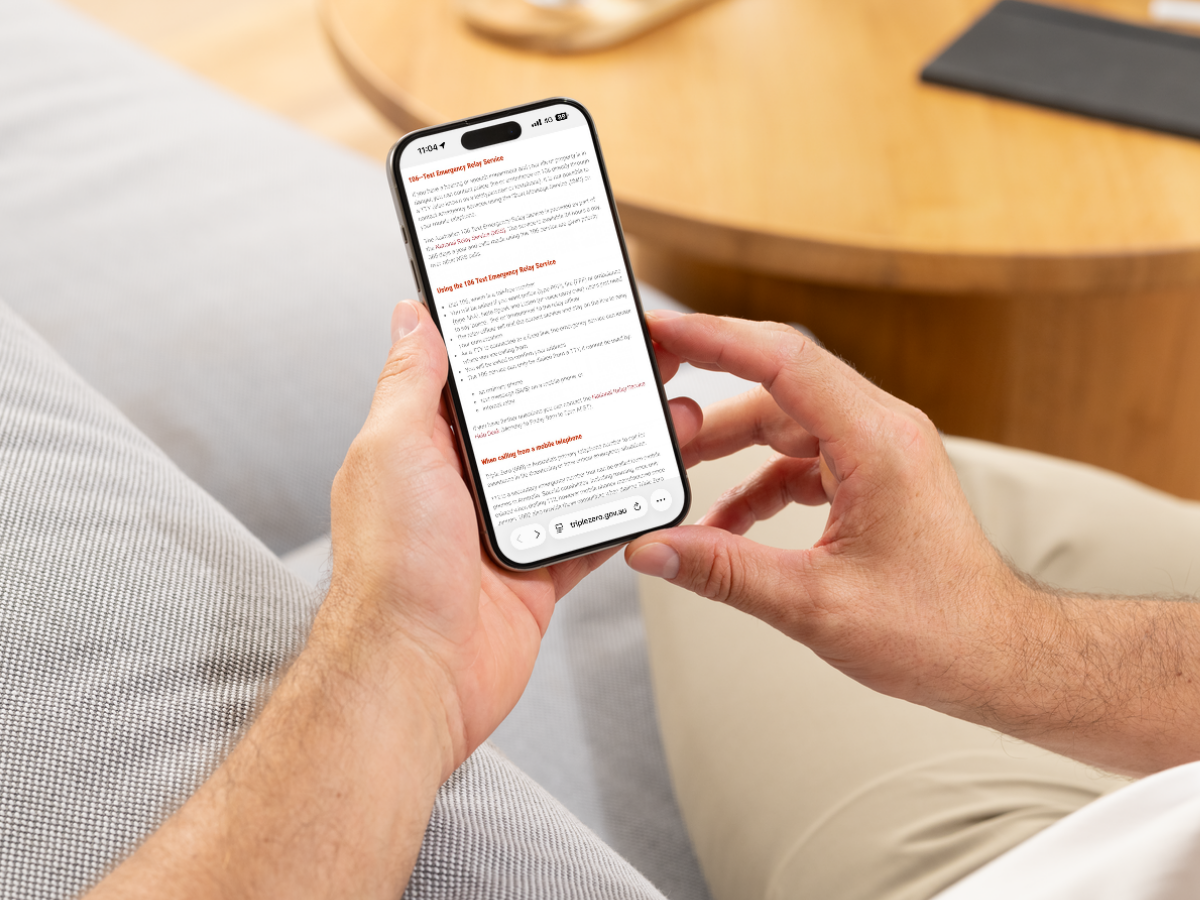
| Save text-based emergency contact options, including the 106 emergency call service. If you need urgent help during an emergency and cannot make a voice call, there are services that allow deaf and hard of hearing people to contact emergency services using text or relay options. Save the 106 number in your phone or install the National Relay Service app
|

| Tell family, friends, carers or neighbours how to contact you if warnings are issued. It’s important that the people around you know the best way to reach you during an emergency. This ensures you can receive help quickly, get updates, and share your status safely even if standard alerts are missed. |

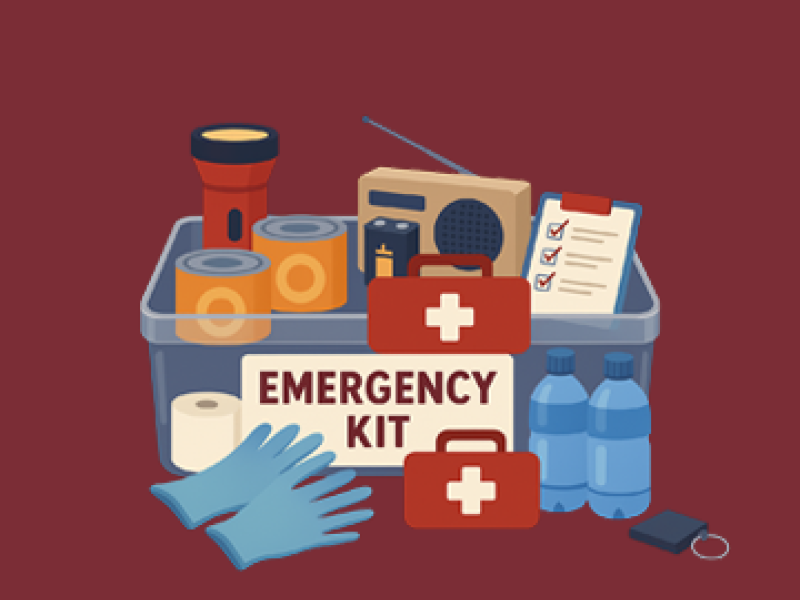
Planning ahead can also help ensure you still receive the information you need to stay safe.
| Tip | What to Do |
|---|---|
| Maintain hearing devices | Make sure your hearing aids and cochlear implants are in good working order and fully charged. |
| Know your evacuation routes | Identify more than one safe way to leave your area before severe weather arrives. |
| Pen and paper | Keep pen and paper for written communication if electronic devices fail or during emergencies. |
| Torch or light | Use a torch or light to help with sign language or lip reading in the dark or during a power outage. |
| Prepare an emergency kit | Include items that support communication and safety, such as: - Fully charged phone
|
| Practice your emergency plan | Practising your plan helps everyone respond quickly and confidently during an emergency. |
| Spare portable chargers | Keep your phone and devices charged so you can receive alerts and contact your support network. |
| Deaf Emergency Information resource | Provides emergency preparation information in Auslan and written English, all in one place. |
| Follow visual information sources | Follow official channels that provide visual updates and written warnings. |
| Create a contact tree | Ask trusted people to share warnings or check in with you if communications fail. |
| Follow trusted sources on social media | Stay up to date with official organisations: |
Communication and Emergency Help
| National Relay Service (NRS)
| Online Chat Help Desk |
| 106 Emergency Service How 106 Works
| Register Online |
Community and Advocacy

| Deaf Connect Smoke Alarm Subsidy Scheme (via Deaf Connect) | |

| Queensland Deafness and Mental Health Statewide Consultation and Liaison Service Mental health support designed for Deaf and hard of hearing people. | Deafness and Mental Health |

| Disability Gateway A central access point for accessible emergency information, Auslan resources and support services. | Auslan Resources |
