On this page
Whether you are visiting a foreign country or exploring parts of your own, you are likely to encounter unfamiliar places and conditions that require preparation.
Understand your destination
Savvy travellers take the time to research their destination, learning about the climate, terrain, local customs, and any potential hazards. Listening carefully to local advice and warnings is essential, as conditions may be very different from what you are used to at home, and being prepared for unexpected situations can help you stay safe.
Prepare for a road trip
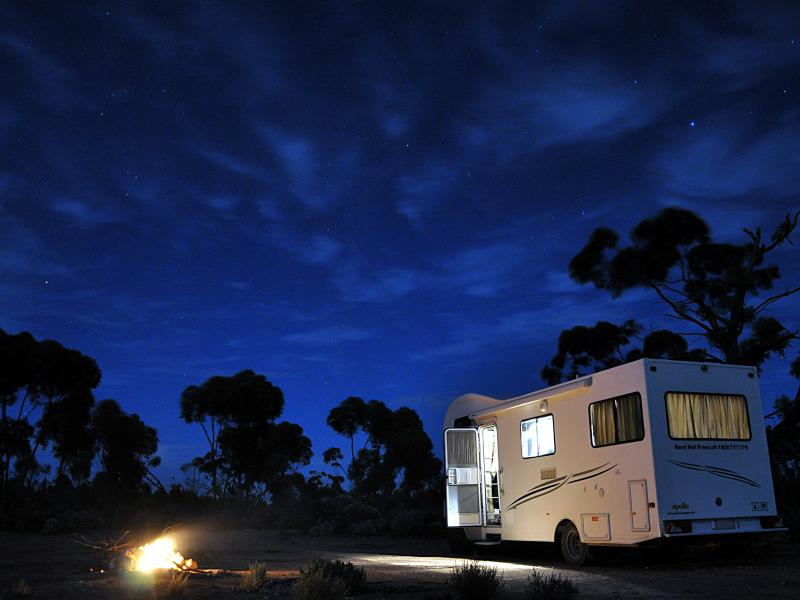
If you are planning a road trip in Queensland, packing up your car, campervan, or caravan is the perfect way to explore all the state has to offer.
Before you hit the road, it is important to prepare your vehicle, gather emergency supplies, and plan your route to ensure a safe journey. Being ready for sudden changes in weather, natural disasters, or remote road conditions will help you enjoy your adventure with confidence. By researching your destination, taking precautions, and staying informed, you can make the most of your travels while keeping safety a priority.
Hover over the interactive dots below or expand the checklist to find out how to best prepare.
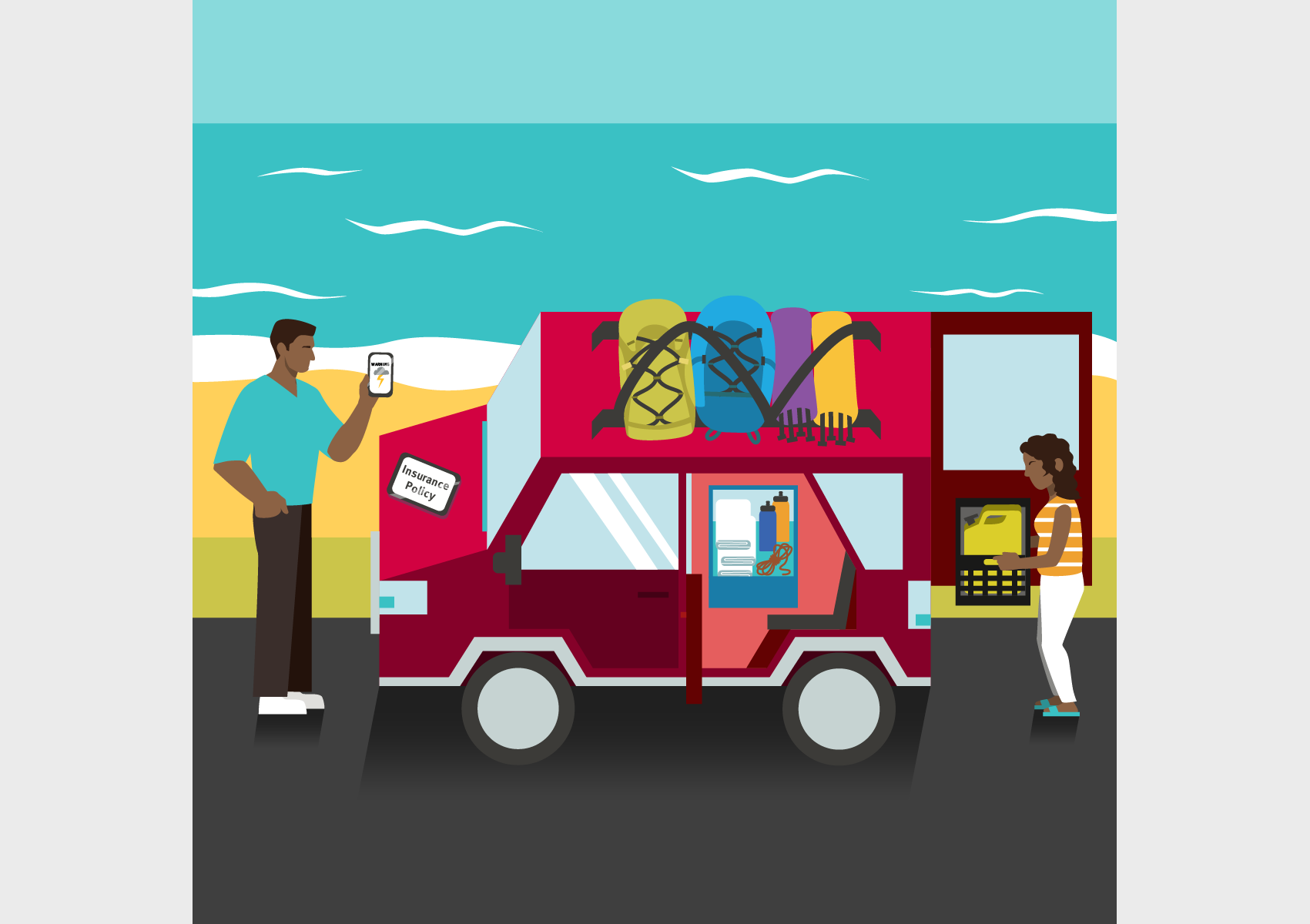
Make sure your car insurance or the rental company’s insurance is current and provides enough coverage for your trip.

Ensure you have good tyre tread (at least 1.5mm deep across the whole tyre width).

Check that all of your vehicle’s lights work properly.

Make sure windscreen and lights are clean.

Carry a spare supply of fuel to reach the nearest fuel outlet and make sure it is stored safely in an appropriate container.

Pack your road trip emergency kit. See below.

Make sure your travel insurance covers your belongings in case they are damaged in the car during a natural disaster.

Download useful apps and sign-up to local weather alerts and warnings for the areas you are visiting.

Keep extra blankets or a hail cover in your car. If you cannot reach undercover shelter during a severe storm or cyclone, secure the blankets or quilts firmly to your vehicle to reduce hail damage.
Make sure your car insurance or the rental company’s insurance is current and provides enough coverage for your trip.
Ensure you have good tyre tread (at least 1.5mm deep across the whole tyre width).
Check that all of your vehicle’s lights work properly.
Make sure windscreen and lights are clean.
Carry a spare supply of fuel to reach the nearest fuel outlet and make sure it is stored safely in an appropriate container.
Pack your road trip emergency kit. See below.
Make sure your travel insurance covers your belongings in case they are damaged in the car during a natural disaster.
Download useful apps and sign-up to local weather alerts and warnings for the areas you are visiting.
Keep extra blankets or a hail cover in your car. If you cannot reach undercover shelter during a severe storm or cyclone, secure the blankets or quilts firmly to your vehicle to reduce hail damage.
Make sure your car insurance or the rental company’s insurance is current and provides enough coverage for your trip.
Ensure you have good tyre tread (at least 1.5mm deep across the whole tyre width).
Check that all of your vehicle’s lights work properly.
Make sure windscreen and lights are clean.
Carry a spare supply of fuel to reach the nearest fuel outlet and make sure it is stored safely in an appropriate container.
Pack your road trip emergency kit. See below.
Make sure your travel insurance covers your belongings in case they are damaged in the car during a natural disaster.
Download useful apps and sign-up to local weather alerts and warnings for the areas you are visiting.
Keep extra blankets or a hail cover in your car. If you cannot reach undercover shelter during a severe storm or cyclone, secure the blankets or quilts firmly to your vehicle to reduce hail damage.
Road trip emergency kit
No matter whether you are heading to a seaside town, exploring a city, or venturing into the outback, it is important to pack a road trip emergency kit.
Hover over the interactive dots below or expand the checklist to find out what you should include.
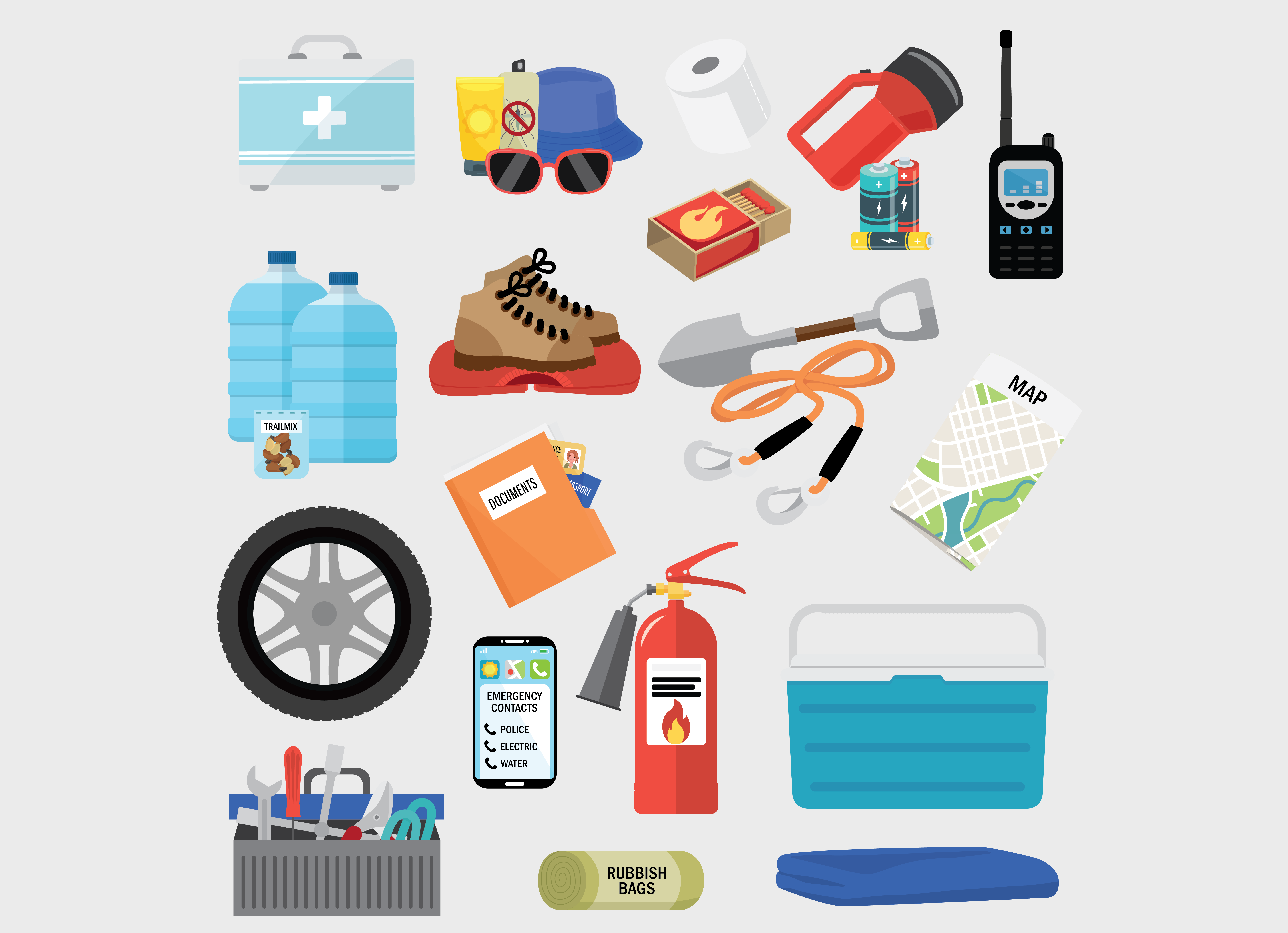
Make sure you have a first aid kit and manual in your vehicle in case of any medical incident on the road.

Queensland’s summers can be very hot and humid, increasing the risk of sunburn and insect bites. Pack plenty of insect repellent, sunscreen of at least SPF 30, sunglasses, and a hat.

It's always good to have a roll of toilet paper on hand.

A heavy duty, waterproof torch (and spare batteries) will provide valuable light when you most need it. Avoid using your smartphone as a light source to preserve battery during an emergency.

Matches can be useful to have on hand for lighting a torch, stove, or other safe, approved equipment during an emergency.

Consider carrying alternative communication equipment, such as a two-way radio, as a backup in case your mobile phone does not work in remote areas.

Keep bottled water and dry food/snacks in your car in case you are caught away from your accommodation (20 litres emergency use and 4 litres per person per day).

Bring suitable clothing and footwear, choosing layers and types that match the environment you will be visiting.

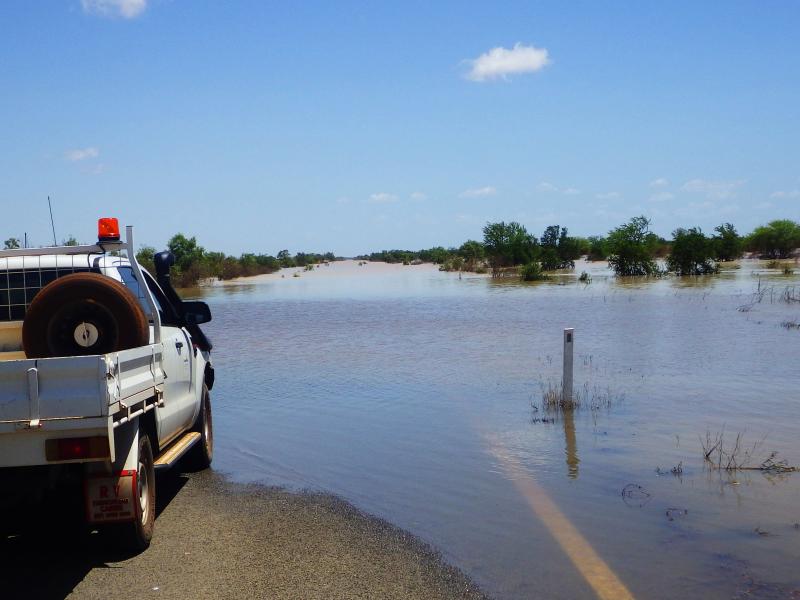
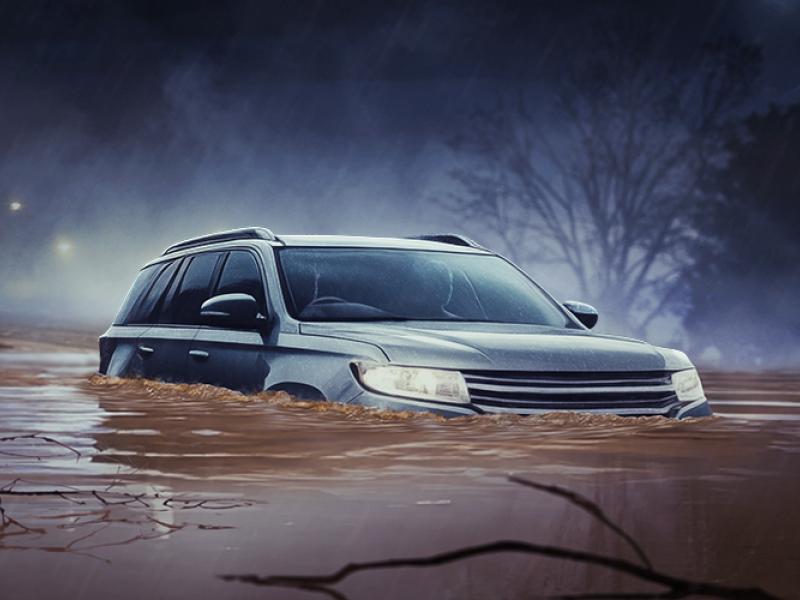
Pack a shovel and a towrope in case you get bogged. Always abide by ‘if it’s flooded, forget it’ if you come across any flooded roads on your travels.

Pack hard copy maps of the places you are visiting in case you lose mobile connection.
Know where the jack in the car is stored, and have 1-2 spare tyres packed in case you get a puncture.

Keep photocopies of your driver’s licence, passport, travel documents, and insurance papers as a backup.

Save local emergency contact details in your phone in case you need to call for help. Go to the Get Ready Emergency Contacts page for a full listing. Download helpful apps and sign up to local weather warnings and road condition updates to stay informed especially using storm and cyclone season. Check out the Get Ready alerts and warnings pages for some ideas.
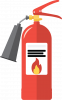
A small fire extinguisher - specifically for car use - can help prevent a small fire from becoming unmanageable.
An esky is great to have to keep your water and any other other snacks cool during Queensland’s hot summer.

Pack a tool kit in case you need to do any mechanical repairs whilst on the road – you don’t need to be a mechanic, but it’s good to know a few basic skills.

Rubbish bags are useful for containing trash during your travels and can also be used to waterproof belongings if your vehicle is exposed to rain.

ankets are useful for keeping warm if you are stranded in your vehicle and can also protect your car during a hailstorm. A tarpaulin can help keep the weather out if your windscreen or window is broken.

Make sure you have a first aid kit and manual in your vehicle in case of any medical incident on the road.
Queensland’s summers can be very hot and humid, increasing the risk of sunburn and insect bites. Pack plenty of insect repellent, sunscreen of at least SPF 30, sunglasses, and a hat.
It's always good to have a roll of toilet paper on hand.
A heavy duty, waterproof torch (and spare batteries) will provide valuable light when you most need it. Avoid using your smartphone as a light source to preserve battery during an emergency.
Matches can be useful to have on hand for lighting a torch, stove, or other safe, approved equipment during an emergency.
Consider carrying alternative communication equipment, such as a two-way radio, as a backup in case your mobile phone does not work in remote areas.
Keep bottled water and dry food/snacks in your car in case you are caught away from your accommodation (20 litres emergency use and 4 litres per person per day).
Bring suitable clothing and footwear, choosing layers and types that match the environment you will be visiting.
Pack a shovel and a towrope in case you get bogged. Always abide by ‘if it’s flooded, forget it’ if you come across any flooded roads on your travels.
Pack hard copy maps of the places you are visiting in case you lose mobile connection.
Know where the jack in the car is stored, and have 1-2 spare tyres packed in case you get a puncture.
Keep photocopies of your driver’s licence, passport, travel documents, and insurance papers as a backup.
Save local emergency contact details in your phone in case you need to call for help. Go to the Get Ready Emergency Contacts page for a full listing. Download helpful apps and sign up to local weather warnings and road condition updates to stay informed especially using storm and cyclone season. Check out the Get Ready alerts and warnings pages for some ideas.
A small fire extinguisher - specifically for car use - can help prevent a small fire from becoming unmanageable.
An esky is great to have to keep your water and any other other snacks cool during Queensland’s hot summer.
Pack a tool kit in case you need to do any mechanical repairs whilst on the road – you don’t need to be a mechanic, but it’s good to know a few basic skills.
Rubbish bags are useful for containing trash during your travels and can also be used to waterproof belongings if your vehicle is exposed to rain.
ankets are useful for keeping warm if you are stranded in your vehicle and can also protect your car during a hailstorm. A tarpaulin can help keep the weather out if your windscreen or window is broken.
Make sure you have a first aid kit and manual in your vehicle in case of any medical incident on the road.
Queensland’s summers can be very hot and humid, increasing the risk of sunburn and insect bites. Pack plenty of insect repellent, sunscreen of at least SPF 30, sunglasses, and a hat.
It's always good to have a roll of toilet paper on hand.
A heavy duty, waterproof torch (and spare batteries) will provide valuable light when you most need it. Avoid using your smartphone as a light source to preserve battery during an emergency.
Matches can be useful to have on hand for lighting a torch, stove, or other safe, approved equipment during an emergency.
Consider carrying alternative communication equipment, such as a two-way radio, as a backup in case your mobile phone does not work in remote areas.
Keep bottled water and dry food/snacks in your car in case you are caught away from your accommodation (20 litres emergency use and 4 litres per person per day).
Bring suitable clothing and footwear, choosing layers and types that match the environment you will be visiting.
Pack a shovel and a towrope in case you get bogged. Always abide by ‘if it’s flooded, forget it’ if you come across any flooded roads on your travels.
Pack hard copy maps of the places you are visiting in case you lose mobile connection.
Know where the jack in the car is stored, and have 1-2 spare tyres packed in case you get a puncture.
Keep photocopies of your driver’s licence, passport, travel documents, and insurance papers as a backup.
Save local emergency contact details in your phone in case you need to call for help. Go to the Get Ready Emergency Contacts page for a full listing. Download helpful apps and sign up to local weather warnings and road condition updates to stay informed especially using storm and cyclone season. Check out the Get Ready alerts and warnings pages for some ideas.
A small fire extinguisher - specifically for car use - can help prevent a small fire from becoming unmanageable.
An esky is great to have to keep your water and any other other snacks cool during Queensland’s hot summer.
Pack a tool kit in case you need to do any mechanical repairs whilst on the road – you don’t need to be a mechanic, but it’s good to know a few basic skills.
Rubbish bags are useful for containing trash during your travels and can also be used to waterproof belongings if your vehicle is exposed to rain.
ankets are useful for keeping warm if you are stranded in your vehicle and can also protect your car during a hailstorm. A tarpaulin can help keep the weather out if your windscreen or window is broken.
Protect your caravan when a severe weather warning is issued
If you get caught in a major weather event whilst holidaying in your caravan, preparations should be immediately undertaken when a severe weather warning for a storm or cyclone is issued. For a full checklist of how best to protect your home away from home, check out the Get Ready caravans page.
Find out more and Get Ready
Check out these other pages and resources to help you Get Ready.