Boat Safety Checklist
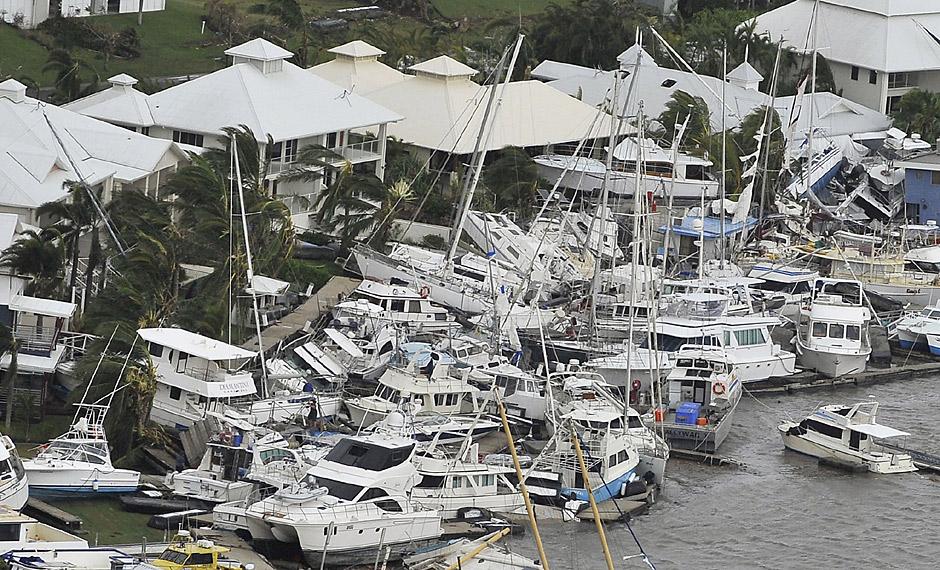
The best way to protect your boat during cyclones or severe weather is through careful planning, steady preparation, and timely action. Every boat owner should have a plan suited to their vessel, the local boating environment, and the conditions they are most likely to face.
In Queensland, the severe weather season runs from November to April. Before the next season begins, take time to prepare a clear and practical plan to help protect your boat if a cyclone or major storm approaches. A well-considered plan can make it easier to act quickly and reduce the risk of serious damage.
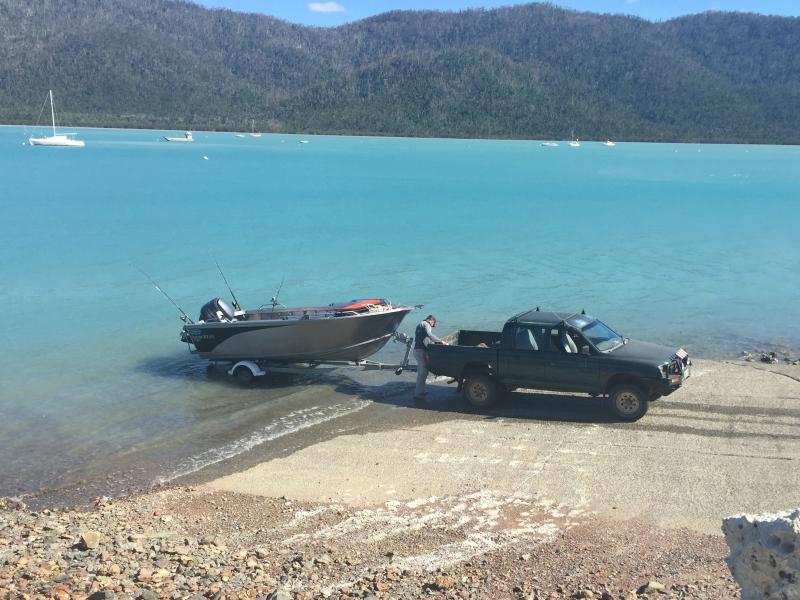
If your boat is on a trailer
If time allows, move your boat and trailer out of the cyclone’s path. Make sure the boat is kept clear of trees and any loose objects. Remove the outboard motor, safety equipment, radios, sounders, bimini covers, and other valuable items that could be damaged or blown away. Taking these steps helps protect your boat and its equipment during severe weather.
After removing all equipment, take the boat off the trailer. Position it on the ground with the bow facing into the wind and away from trees or objects that could fall. Secure it using 24mm rope or chains attached to ground anchors or the most stable objects nearby. Finally, half-fill the boat with water to add weight, unless it has a stern drive or inboard motor. These steps help keep your boat stable during high winds.
If you cannot remove the boat from the trailer, turn it so the bow faces into the wind. Partially deflate the tyres and place wooden blocks between the trailer frame and the axle inside each wheel. Lash the boat to ground anchors or the most secure objects using 24mm rope or chains. Avoid filling a boat on a trailer with water, as this can damage the trailer springs. Instead, use axle wedges to help distribute any additional weight safely.
If your boat is in the water
Contact your local Coastguard, Marine Rescue Unit, Marine Watch or Harbour Master to find out where the designated safe anchorages are and any cyclone plans that may be in place.
Know your marina’s extreme weather contingency plan, especially whether vessel owners are required to remove their boats during severe weather warnings. Understanding these requirements in advance allows you to act quickly and avoid confusion when conditions begin to change.
Ensure your boat can reach the safe anchorage, remembering that tides may be higher than normal – make a trial run at the beginning of the cyclone season.
If you are out on your boat during severe weather, personal safety is the number one priority. At the first sign of bad or severe weather while you are on the water, make sure everyone on board is wearing a personal flotation device or life jacket.
If you cannot get back to your normal mooring or boat ramp, look for shelter in rivers or creeks with a mangrove fringe to act as a buffer zone from the wind. Remember that heavy rain will increase the flow of ebb tides in any creeks or rivers.
If your boat is moored
Double all ties. Make ties high on pilings to allow for rising waters. Cover all tie lines at contact points with rubber or other materials to prevent chafing.
Be sure batteries are sufficient to run bilge pumps throughout the storm.
Insert plugs in engine ports. Strip bimini tops, sails or any other object that could blow away. Put duct tape on windows and hatches. Disconnect shore power. Close fuel valves and cockpit seacocks.
Plan Ahead Before You Go Out on the Water
Always check marine weather forecasts before you go boating. Continue to monitor conditions while you are on the water, as weather can change quickly. Staying aware of the forecast can help you avoid unsafe conditions.
Make Sure You're Covered By Boat Insurance
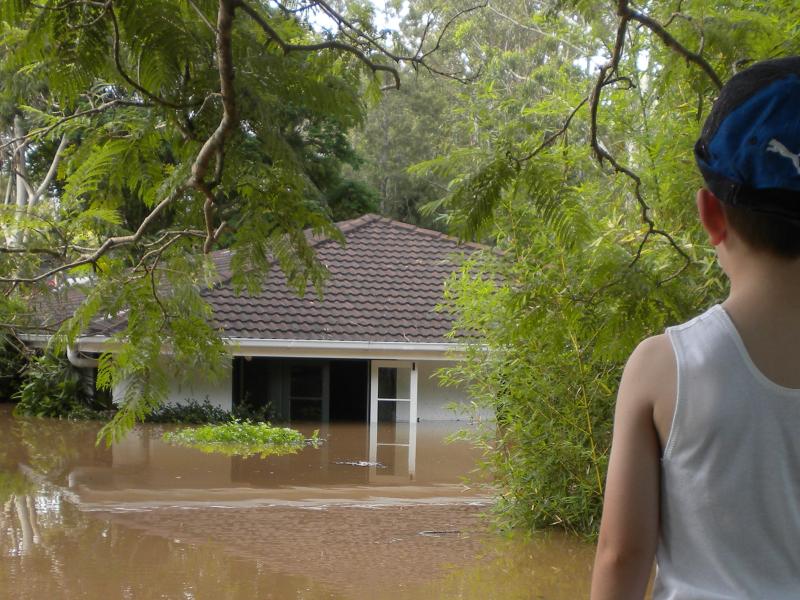
For most boat owners, marine insurance is a practical safeguard. Policies can vary widely, so it is worth taking the time to compare what each one offers. A good policy should cover damage to your boat as well as damage your boat may cause to other vessels or property. This protection should apply in events such as storms, floods, or fire. Careful review of the details can help ensure you have the cover you need before an unexpected problem arises.
Find out more and Get Ready
Check out these other pages and resources to help you Get Ready.