On this page
When experiencing a flood, Queenslanders should visit the Disaster Management Queensland webpage for information about conditions in your local area (flooding, road closures, weather warnings, school closures, emergency contact details).
| Question | Information |
|---|---|
| What types of flooding occur in Queensland? | Queensland experiences three main types of flooding:
|
| What do minor, moderate and major flood classifications mean? | The Bureau of Meteorology uses flood classifications to describe the severity of flooding.
|
| How can I understand my flood risk? | Flood risk varies depending on location and rainfall. Check your local council flood maps and ask: Is my property at risk of flooding or isolation? What is my evacuation route? Are my workplace, school or family in flood-prone areas? Even if your home is safe, roads, power or services may still be disrupted. |
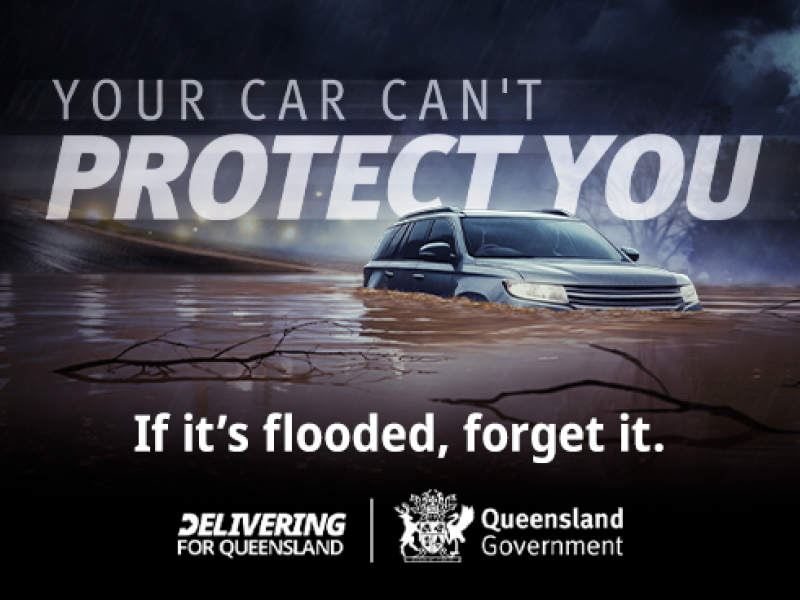
| Is it safe to enter floodwater? | No. Floodwater is the leading cause of flood-related deaths in Queensland. Never drive, walk or swim through floodwater. It may hide debris, damaged roads, disease or dangerous animals. If it’s flooded, forget it. |
| Why can’t I drive through floodwater if I have a large vehicle? |
|
| Is floodwater contaminated? | Yes. Floodwater typically contains sewage, chemicals, agricultural runoff and other contaminants. Contact can cause infections such as diarrhoea, vomiting, skin infections, conjunctivitis, and ear, nose or throat infections. |
| What should I do before a flood? |
|
| How do I create an emergency flood plan? | Include evacuation routes, safe places to stay and key contacts (family, doctors, insurers and utilities). Ensure everyone in your household understands the plan. |
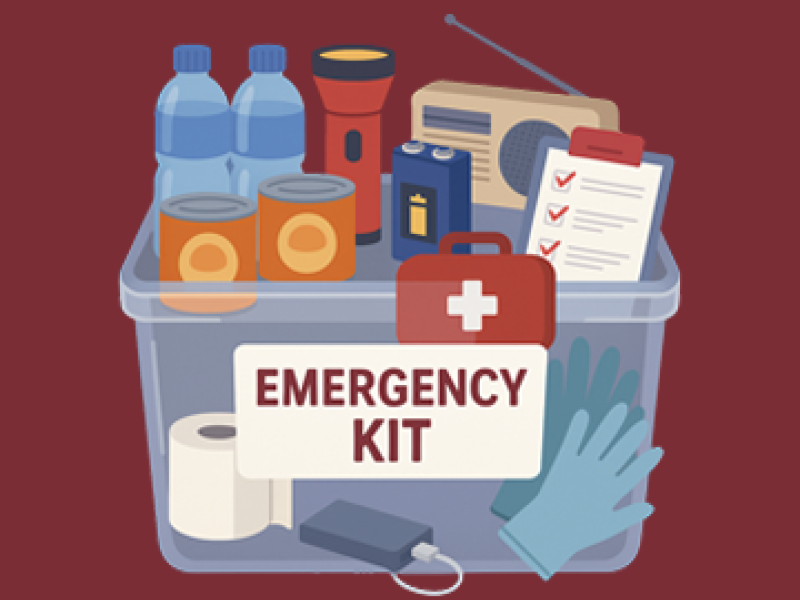
| What should I pack in an emergency flood kit? | Prepare enough supplies for at least three days, including bottled water, non-perishable food, medications, torch, batteries, radio, toiletries, wipes, chargers, games or books and a portable cooking option such as a gas cooker. If you are in a rural or remote area, or are at risk of isolation, you should pack more. |
| Do I need flood insurance? | Yes. Flood cover may be included in home, contents, motor vehicle, strata and business insurance policies. Review your policy regularly and confirm flood cover with your insurer. Flooding can cause significant damage to homes, belongings and other assets. |
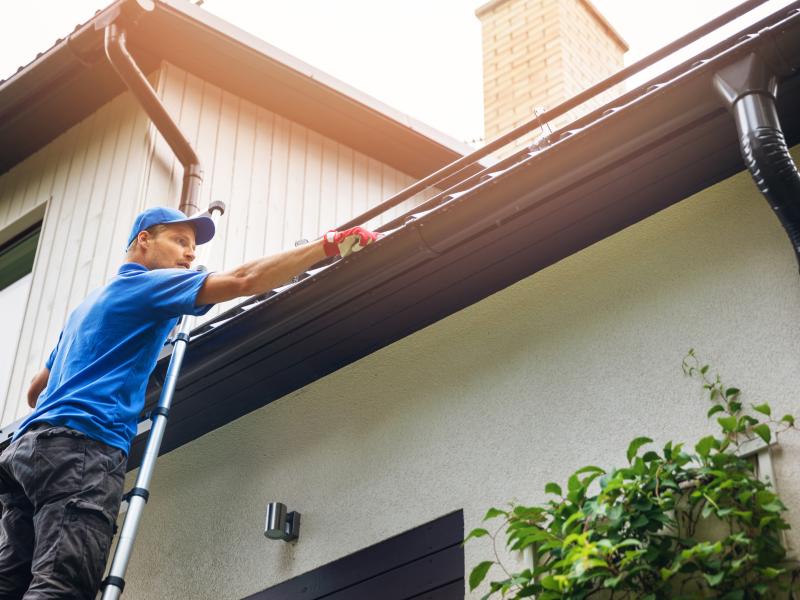
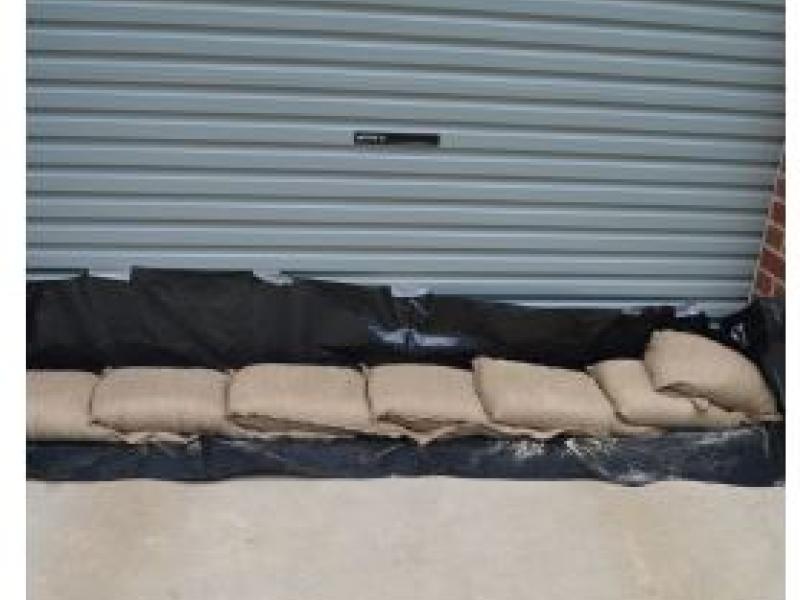
| How can I prepare my property for flooding? | Clear gutters and drains, repair roof leaks, trim tree branches, secure loose fittings, store chemicals above ground level and have sandbags and sand ready. |
| How can I make my home more flood-resilient? | Use flood-resistant materials, raise or protect valuable items and consider structural upgrades to reduce damage. Some improvements may also reduce insurance premiums. |
| I’ve seen a flood warning. What should I do now? | Finalise your emergency kit, move valuables higher, prepare sandbags if needed and plan your evacuation route early. Monitor warnings from the Bureau of Meteorology and your local council. |
| What is the difference between a Flood Watch and Flood Warning? |
|
| How can I talk to children about floods? | Floods can be frightening for children. Resources such as Birdie and the Flood, a free online storybook developed by Children’s Health Queensland, help families talk about recovery and emotional wellbeing after floods. |
| When will evacuation centres open? | Evacuation centres are opened by local councils when required and their locations are shared through council disaster dashboards, social media and local media updates. |
| I am a visitor. Where can I get information? | Visitors should check Get Ready Queensland visitor safety tips for advice on where to go, what to do and who to contact during severe weather. |
| How should people with health conditions prepare? | Keep prescriptions up to date and store at least seven days of medical supplies in your emergency kit. Ensure medical devices are charged, store medications safely if refrigeration is required and avoid floodwater exposure to reduce infection risk. |
| What should business owners do to prepare? | Businesses should develop flood plans, protect critical assets and encourage staff to prepare their own emergency plans. Planning resources are available through the Queensland Government business website. |
| Is there support for people experiencing homelessness? | Outreach teams and homelessness services provide support and information during severe weather. People needing housing assistance can call the Homeless Hotline on 1800 474 753. |
| How can I support elderly neighbours or relatives? | Help them stay informed, assist with evacuation planning and check in regularly. Additional support is available through Community Recovery. |
| How can people with disability prepare for disasters? | Develop a personal emergency plan, ensure communication and support needs are considered and access resources designed to support people with disability during disasters. |
| What if supermarket supplies are limited? | Stores restock supplies when safe to do so. Buy only what you need. Communities that become isolated may be able to request resupply through local councils. |
| Can I drink tap water during or after a disaster? | Local authorities will advise if water is unsafe. If instructed to boil water, bring it to a rolling boil for at least one minute before use and store it in clean containers. |
| Are schools closed during floods? | School closure information is available at closures.qld.edu.au. Families should consider early decisions about keeping children home if severe weather is expected. |
| How do I prepare pets and wildlife? | Prepare pets using the GRQ Pet Emergency Plan. Injured or stranded wildlife can be reported to 1300 ANIMAL. |
| Will public transport be affected? | Severe weather can cause road closures and transport disruptions. Check the Queensland Traffic website for the latest updates. |
| Where should sandbags be placed? | Place sandbags over floor drains and waste outlets such as showers or laundries to prevent backflow. Small sandbags can be used to block toilets if necessary. |
| Where can I get help during a flood? | Emergency: Call 000. SES assistance: Call 132 500. Disaster recovery information and support services are available through Queensland Government disaster websites. |
| Where can I find the latest information? | Check updates from Disaster Management Queensland, the Bureau of Meteorology, local council disaster dashboards and official government channels for real-time warnings and recovery information. |