Bounce back stronger: Preparing your small business for the unexpected
Natural disasters and severe weather can strike anywhere in Queensland, often with little warning. Floods, cyclones, storms and bushfires can interrupt trade and logistics, damage property and leave business owners, staff and customers unsure what will happen next.
For many small business owners, uncertainty keeps them up at night. When systems go down, roads close or warnings escalate, decisions need to be made quickly. Do you close? Who contacts staff? What happens to bookings, jobs, stock or deliveries?
As the most disaster affected state in Australia, Queensland businesses know this uncertainty all too well. Queensland businesses have experienced a range of recent events, including Tropical Cyclone Alfred last year and prolonged flooding across western and south-western Queensland.
Early preparation helps remove that pressure. It gives you a clear, steady starting point, so you are not working out next steps from moment to moment. With the right planning in place, you can protect your people, safeguard your cashflow and your operations and respond with confidence when the weather makes a change.
Running a business already comes with enough uncertainty. Severe weather does not need to add to it. A few practical steps, taken early, can make a real difference when it matters most.
Why Business Preparedness Matters
Natural disasters introduce risks that are often outside your control. Without a plan, you are making decisions from a position of stress, which is not ideal. Short disruptions can cascade and quickly escalate into a major operational and financial setback.
For example, imagine you are a food retailer. A flood may prevent staff from reaching your premises while floodwaters enter your storeroom, contaminating stock stored near the floor. Without staff available to assist with clean-up, damage increases as unaffected stock is left too close to contaminated goods. Stock wastage may rise significantly, and deliveries can be delayed due to flood-affected roads. When staff are finally able to return to work, there may be no stock left to sell, with the next delivery still several days away. A week after the flood, you are still paying wages and overheads and may be another week away from resuming normal trade.
A similar example, could be used to demonstrate how a bushfire may threaten a rural property, impacting livestock, equipment and access roads or a power outage. IT failure can stop transactions, communication and service delivery altogether.
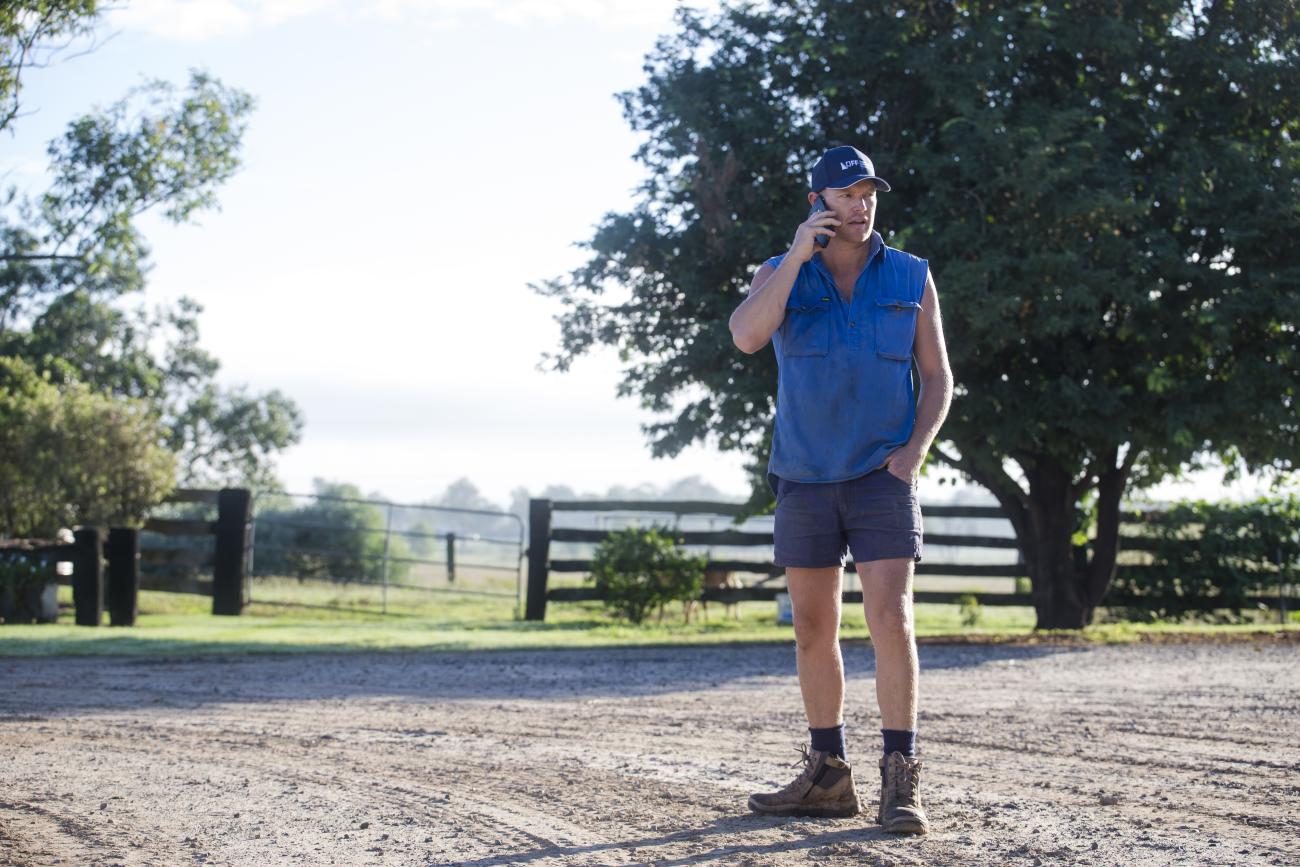
For small and medium businesses, even brief interruptions can affect cash flow, customer confidence and day-to-day operations. In some cases, it can take weeks, months or years to fully recover.
Prepared businesses are better positioned to manage these challenges. They are thinking ahead, considering their risk and how that might play out for their business, making decisions that mitigate the most likely interruptions. They are more likely to protect their people, make decisions to reduce the likelihood of damage to their stock and assets, and ultimately, maintaining continuity where possible, to recover faster after an event.
There is also a broader community benefit. Across Queensland, local businesses are the backbone of our economy. They provide essential services, employ local people and support regional economies. When businesses are prepared and able to reopen sooner, wages continue to be paid, businesses support other businesses and communities recover faster and more effectively.
Whether you run a café in a coastal town, are a tradie at the Gold Coast, a salon, a retail store or a farm in Chinchilla, your preparedness plays a role in the strength of your local area.
Know Your Risk
Every business is different, so the risks you face will depend on your location, industry and how your business operates day to day.
Start by thinking practically about your environment and what services you depend on to keep your business running.
Ask yourself whether your business is located in a flood-prone area or exposed to storm surge or high winds. Consider whether you rely on electricity, internet, transport routes or regular deliveries to operate. Think about whether staff could safely travel to work during severe weather, and what would happen if they could not.
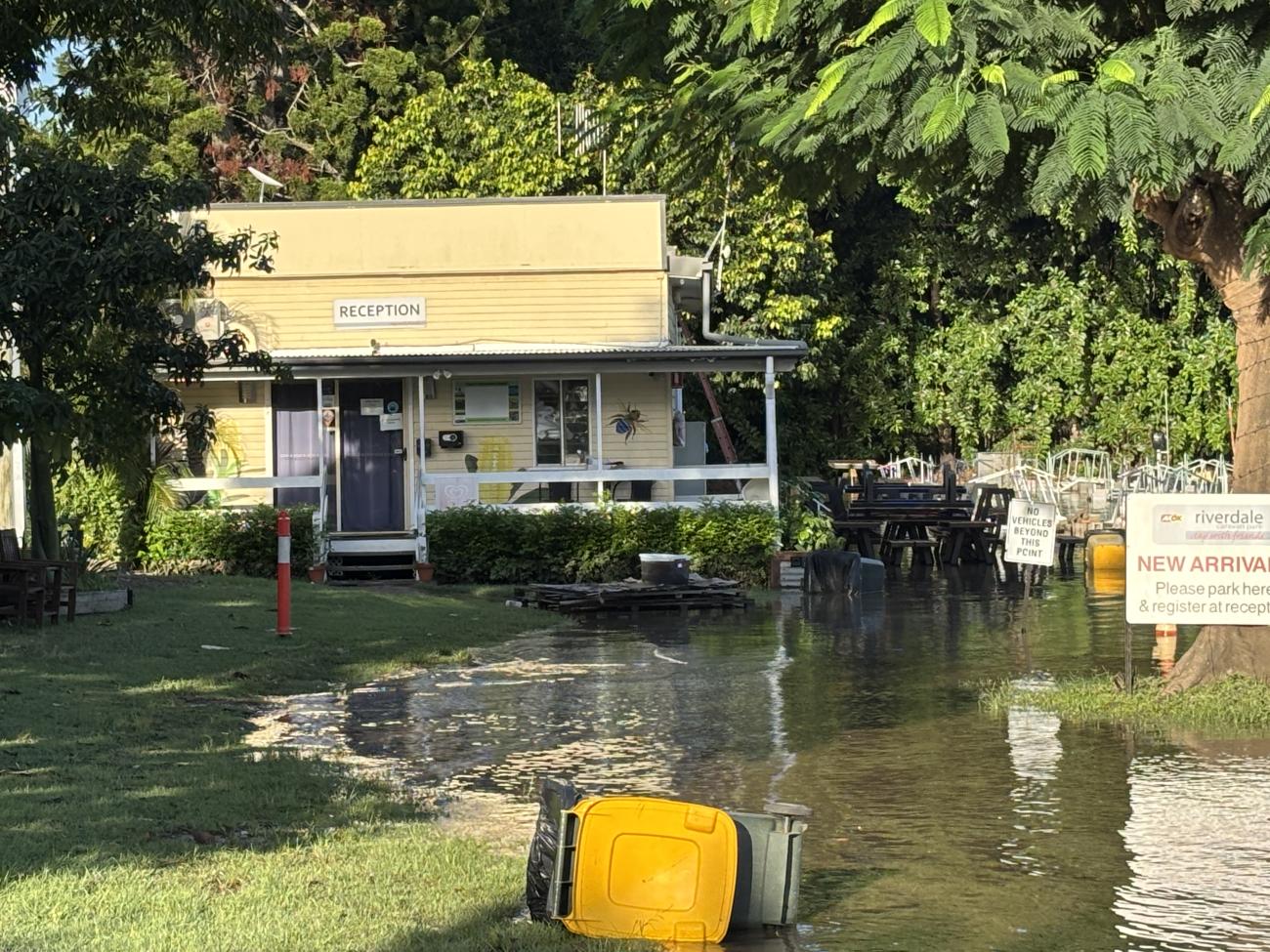
It is also important to consider how long your business could operate without key systems, suppliers or access to your premises.
Different industries face different challenges. A café or restaurant may need to manage refrigeration, food safety and power outages. A tradie may need to secure tools, protect vehicles and work sites and reschedule work. A retailer may need to protect stock and manage supply chain delays. A beautician or salon may rely on consistent power, water and booking systems. Primary producers may need to consider livestock safety, fencing, paddocks and early relocation options.
Thinking through these scenarios now allows you to make informed decisions later, rather than reacting under pressure when conditions change quickly.
Developing a Business Continuity Plan (BCP)
A Business Continuity Plan (BCP) is a practical guide that outlines how your business will continue operating during and after an emergency. It does not need to be complex or lengthy. It simply needs to provide clear direction when it is needed most.
A strong BCP identifies your essential operations, outlines who is responsible for key decisions, and explains how you will communicate with staff, customers and suppliers. It also considers how your business will manage closures, reduced operations or interruptions to services.
For example, a café may outline when to safely cease operations ahead of a cyclone and how to protect perishable goods. A tradie may include steps for securing equipment and notifying clients of delays. A retailer may plan how to protect inventory and manage online orders if physical access is restricted. A salon may outline how to manage cancellations and communicate with clients during outages.
Having these processes documented removes guesswork and allows your team to act quickly and consistently.
Protect Your Premises
Securing your physical premises is one of the most effective ways to reduce damage and support a faster recovery.
Regular maintenance is a key starting point. Keeping gutters and drains clear, ensuring roofing and seals are in good condition, and trimming vegetation around buildings can help reduce risks during storms and heavy rain.
It is also important to take simple protective actions ahead of severe weather. This may include securing outdoor furniture and signage, moving stock off the floor, covering sensitive equipment, and relocating vehicles where possible.
For rural businesses, preparation may also involve checking fences, securing machinery, identifying safe areas for livestock and planning early relocation if required.
Even small, practical steps can significantly reduce the impact of a severe weather event and help protect both your property and the people who rely on it.
Backup and Secure Your Data
Modern businesses rely heavily on digital systems to operate. If those systems fail, whether due to power outages, technical issues or cyber incidents, it can disrupt your ability to trade and communicate.
Backing up your data regularly is essential. Use secure cloud storage or external drives to store important information such as financial records, customer details, supplier contacts and operational documents.
It is equally important to ensure these backups are accessible. Store physical copies of critical documents such as insurance policies, emergency contacts and business registration details in a secure but accessible location.
Where possible, ensure more than one person in your business knows how to access this information. This helps maintain continuity if key staff are unavailable during an emergency.
Read more: Preparing your business for an information technology (IT) threat
Assemble an Emergency Kit
A business emergency kit helps ensure you have essential items readily available when a disaster strikes. It should be stored in a clearly marked, easily accessible location, and reviewed regularly so contents remain up to date. Make sure all staff know where it is kept.
Include the following:
Printed copies of key documents, including your business continuity plan, insurance details, and staff and supplier contact lists
A first aid kit and basic personal protective equipment such as gloves and masks
Non-perishable food and at least three days’ worth of drinking water
A torch with spare batteries and a battery-powered radio
Phone chargers or backup power sources
Waterproof bags or coverings, plastic sheeting, and masking tape
A phone or camera to document any damage
These simple items can make a significant difference in helping your business stay safe, maintain basic operations, and manage the first few days of an emergency more effectively.
Set Up an Emergency Team
If you have staff, clearly defined roles can help your business respond more effectively during an emergency.
Your emergency team does not need to be formal or complex. It simply needs to ensure that responsibilities are understood ahead of time. This may include someone responsible for communication, someone overseeing safety checks, someone managing customers and bookings, and someone coordinating IT or systems recovery.
When people know their role, they can act quickly without waiting for instructions. This reduces confusion and helps your business respond in a coordinated way.
It is also helpful to include staff from different parts of the business, so knowledge and responsibilities are shared.
Communicate Clearly
Clear communication is essential during emergencies. Staff, customers and suppliers all rely on timely and accurate information.
Before an incident occurs, decide how you will communicate. This may include group messaging, email updates, phone trees or social media. Preparing messages in advance can make it easier to share consistent information quickly. Consider who your business needs to communicate with during and after an emergency.
Key stakeholders may include:
Staff
A regulatory body or agency
Customers, clients or guests
Suppliers and distributors
An industry body.
During an event, keep staff informed about operational decisions. Customers should know whether you are open, operating at reduced capacity or temporarily closed. Suppliers should be updated on any changes to orders or schedules.
To communicate effectively:
Use social media channels and your website to get the message out widely
Keep customers, suppliers and stakeholders updated about your business operations
Answer emails promptly, thank people for their support and log customer phone calls
Celebrate and let people know about recovery steps, milestones, or successes.
Clear communication helps reduce confusion, manage expectations and maintain trust during uncertain times. Even a simple group message or social media update can reduce confusion and keep people informed.
Industry-Specific Considerations
Different types of businesses will have different priorities when preparing for severe weather.
Rural and primary producers should consider livestock safety, access to paddocks, transport options and early relocation plans. Secure fencing, equipment and water supply are also important considerations.
Technology-dependent businesses should ensure backup power solutions are in place and that alternative communication methods are available if networks fail. Regular testing of IT systems and recovery processes can help reduce downtime.
Service-based businesses such as cafés, salons and retail stores should focus on customer communication, continuity of bookings, stock management and safe shutdown procedures.
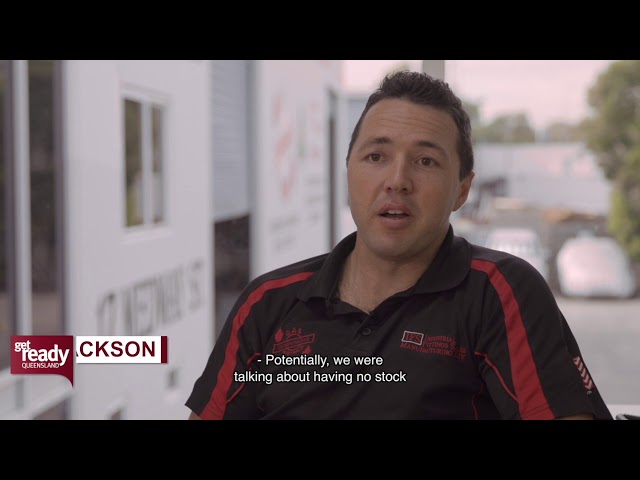 |  |  |
| Business Resilience – Industrial Fitting Sales | Luke, a dairy farmer from Regency Downs | Business preparedness: Calxa Australia |
Practice Makes Preparedness
Testing your plans helps ensure they are practical and effective.
This may include simulating a power outage, walking through an evacuation, or testing how your team would continue operating without access to your premises.
After each exercise, review what worked well and where improvements can be made. Regular practice builds confidence and helps your team respond more effectively when a real event occurs. If you have a day or shift manager, it’s a good idea to let them hold the reigns for the exercise as well. You may not be contactable, so they will need to know what to do in your absence.
Real-World Examples of Business Preparedness
https://www.getready.qld.gov.au/get-prepared/business
Action Plan for Business Preparedness
This week:
✅ Think about your risks and how your business operates
✅ Start writing down your plan
✅ Gather key contacts and documents
✅ Identify critical operations and essential staff roles
✅Start drafting a BCP using Queensland Government templates
✅ Assemble key documents in a secure location
This month:
✅ Build your emergency kit and back up data
✅ Train staff in emergency procedures and evacuation
This season:
✅ Review insurance coverage and policies
✅ Test IT systems and communication plans
✅ Inspect premises for hazard mitigation
✅ Test how you would communicate during an outage
Ongoing:
✅ Update the BCP and emergency kit regularly
✅ Monitor weather warnings and alerts
✅ Keep new staff trained and informed
✅ Update your plan as your business changes
✅ Keep an eye on weather risks
✅ Stay connected with your local community
Recommended Contacts and Support
Support is available to help you prepare, respond and recover:
Get Ready Queensland for templates, guides and preparedness resources
Your local council for local emergency information, alerts and community support
Queensland Fire Department (QFD) for fire and emergency guidance
State Emergency Service (SES) on 132 500 for assistance during storms and flooding
Your insurance provider for policy advice and coverage details
Local chambers of commerce and industry associations for business support and networking
Staying connected with trusted sources ensures you receive accurate and timely information when it matters most.
Confidence Comes from Preparation
Preparing your business for natural disasters does not need to be overwhelming. It starts with small, practical steps that build over time.
Queensland businesses are at the heart of their communities. By planning ahead, you are helping protect your staff, your customers and your livelihood, while also supporting the resilience of your local area.
Start small. Write down a plan, check your premises, back up your data and make sure you can contact the people you rely on. Each step you take now makes it easier to respond, recover and continue operating when severe weather occurs.
For more guidance, templates and resources, visit Get Ready Queensland.