Cyclone Winifred, 40 years on
A memoir from a 10 year old, 1 February 1986
There’s a sound every child who grew up in Far North Queensland knows – the sharp, urgent tone of a cyclone warning siren (now called a Standard Emergency Warning Signal - SEWS). It cuts through the air, and even now, decades later, it sends a shiver down my spine.
As an 80s child, I remember it being broadcast from our boxy TV (with no remote and a big dial to change channels) and a trusty old transistor radio from Dad’s shed. Our parents watched the alert each time it came on our TV, to keep updated on the cyclone’s path and when it might be crossing the coast. “Here we go again.” Mum would say.
In late January 1986, Cyclone Winifred was on its way, and this one felt heightened. More urgency hung in the air. Dad was busy tying down the boat, securing the trampoline and then he headed uptown to get any supplies we might have needed and to secure his business. All small businesses come with risk, but an open-air car yard brings a little more complexity when a cyclone is on the way, and there was a lot to do.
Mum was preparing around the house, securing our outdoor furniture and the windows and doors and checking on Grandma and Nana and other extended family. There was a lot to do, with three kids to consider as well.
High risk means likely evacuation
My childhood was what I now consider to be a charmed life. A house on the waterfront at the mouth of the Johnstone River in Far North Queensland was the perfect upbringing for a tomboy. Fishing across the road from my house (keeping an eye out for crocs), riding our bikes down to the shop, and of course, making sure we were home by dark. The most idyllic childhood, yet with that, came significant severe weather risk.
Waterfront living in the tropics while amazing day to day, does mean you may be a storm surge or storm tide risk. Storm surge is a rise above the normal water levels along the shore, resulting from the cyclone or intense low conditions. A storm tide occurs when the storm surge happens at the same time as a high tide.
Clyclone Winifred came with a significant storm surge risk for our home, and as a result, we evacuated to Nana’s house in town.
My Nana lived in an old, converted cement house, out of the flood risk area and central to town. She had a semi-enclosed laundry with a huge set of cement laundry tubs at the back. We packed up what we could in the Falcon, picked up Grandma on the way and went to Nanas house to wait out the storm there, with our Aunty and Uncle and cousins not far behind.
The storm rolls in
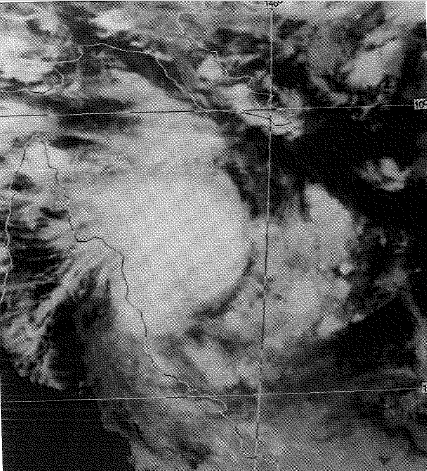
Every cyclone is different, this one was long. Cyclone Winifred was a Category 3 cyclone, that hung around for over 12 hours. Hours of darkness, and those howling, 150+km wind gusts that felt like it was inside your body and not outside the house.
One of my most vivid memories from that night, is when Nana’s back neighbours lost the roof of their house. We watched it happen, and it felt like we were watching in slow motion. The wind was gusty and fierce, and when the gust came in, a corner of the roof lifted and then dropped back down. Then a huge gust of wind got underneath the eaves and the whole roof peeled off like a sardine tin, flying off into the bushland and disappearing within seconds.
Nana knew the family in the house. She knew they were young with a little baby upstairs. And without hesitation, my dad went out into the wind to help, to bring them over to the safety of Nana’s house.
“Come back Dad, Come back!” I remember my younger sister screaming into the wind.
Somehow, he managed to get across through those horrific winds and bring them back to safety. We are all so lucky he did. There were others from that night that weren’t so lucky.
The eye came and went, and many hours later, we woke in makeshift beds to the quiet, a little rain and no power.
A category 3 cyclone is severe but add to that it’s slow movement inland - the damage in its path was significant.
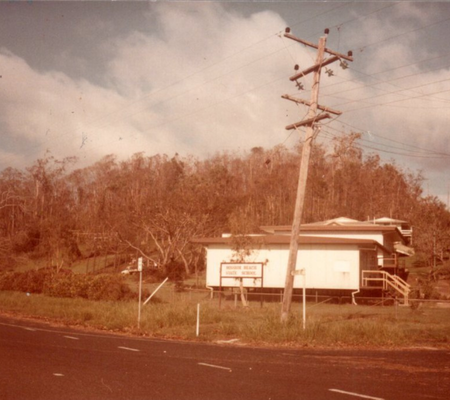
I only remember little bits from here. The drive home and the damage to houses and buildings, the flattened cane fields, and the trees across the road. Emergency services were cutting a path through to our suburb and FNQEB (now Ergon) were out already trying to get the power back on. The park across the road from our house was demolished. Our favourite climbing trees blown over, demolishing our playground. The walls from our garden shed were found three blocks away, yet somehow its contents had not moved at all.
And then there was the recovery. It felt like it took forever to get back to normal and we had to look at the impacts each day until life slowly returned to normal. Most importantly to me, my friend’s birthday party had to be cancelled as they were also on the beach - there was just too much damage.
Take home tips to learn from a 10-year-old
It’s amazing how 40 years later these memories don’t fade. And it seems serendipitous that I work in Get Ready now.
While this is a story from when I was ten, there have been many more cyclones, up and down the Queensland coast since then. It’s a good reminder that severe weather will impact all of us at some point, but there are ways we can be prepared.
Talk to your kids about severe weather
Kids have incredible resilience, however knowing what is going on around them, makes them understand their feelings, process them and move on from the event more resilient.
Sit and chat to them, keep them calm, and explain what is happening and how you are going to prepare so they feel part of the preparation. Give them age-appropriate jobs to do so they feel engaged and full of purpose. It might be as simple as sitting with the dog to keep him calm. It doesn’t matter what the job is, it’s the focus and self-value it brings that makes a difference. They are contributing to the family staying safe.
Talk to them out of severe weather season and what sort of risks might be where you live. “I remember when…” If you are new to the area, have a chat with a long-term neighbour about stories they might have from cyclones and floods, and things that might have happened. How they got through it. Give them an understanding of what severe weather is like, the importance of being prepared and staying safe and that it’s just part of life in Queensland.
Birdie’s Tree is a great resource for younger kids too, when they might not need the hard facts, but something to help them understand better about what is going on.
Staying Safe by staying connected
By no means do I judge my dad for going and helping that young family, but in hindsight there are things we can do to help minimise the need to put ourselves at risk. Now with technology and what we know about severe weather - we can use it to our advantage to stay better connected with our neighbours and help each other out when preparing our homes.
Put their contact numbers in your Household Severe Weather Plan, paying particular attention to those that might be more vulnerable than you. We all know that power and communications can go out in a severe weather event, so chat to the neighbours beforehand so you know what their plan is. Talk about the work you might have done to your roof to prepare for severe weather season and see if they have done the same. Help them find the information they might need to get their property in top shape.
Plan out your Shelter
When the event is unfolding, keep a safe space away from windows and doors to stay safe. Bring your fully stocked emergency kit, mattresses and blankets, transistor radio (and a stash of batteries) something to distract them and of course the snacks. Lots of snacks!
Stick to Routines
If you can, throughout the event try to keep bedtime and meals to a regular routine, if they can sleep through it of course. Our little ones thrive on knowing what is happening next, and if we can keep this the same, it will make all the difference to their state of mind. It also gives you something to focus on, other than the weather.
Make a plan
Planning for severe weather means you are ready when it matters. By having a plan, you know what to do ahead of time, so you can do the extra little things to make things as comfortable as possible inside, when it’s hairy outside.
Cyclones can be scary, but being prepared can make all the difference – for you and your kids.
It’s incredible now to look back with adult eyes on events from our childhood and see how far our state has come and how much better we can prepare our communities for severe weather. Queenslanders have preparedness in our blood, and we’ll continue to learn from our experiences and be the most prepared state in Australia.
Lynda, GRQ xx
To make your plan for severe weather, head to Make a plan now – and don’t forget to include your neighbours!
Photos: Diane Bull