Cyclone Yasi - Lessons for Queenslanders
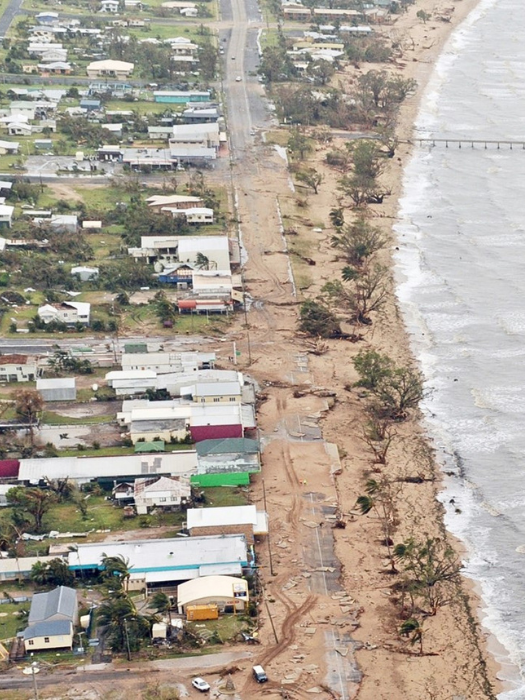
15 years ago, Cyclone Yasi was a storm that tested Queensland’s resilience like never before. Making landfall near Mission Beach in the early hours of 3 February 2011, Yasi brought winds of up to 285 km per hour, a five-metre tidal surge, and widespread destruction to towns like Innisfail, Tully, Cardwell and Mission Beach.
We know all cyclones are different. Yasi came in like a bullet train. It was one of the most powerful cyclones to ever hit our state, but it also shows us the power of community and determination.
By reflecting on Yasi’s impact, we can learn valuable lessons to help us prepare for future disasters.
The Power of Preparation
Cyclone Yasi was a force to be reckoned with, but early warnings, clear communication, and decisive action saved countless lives. Around 10,000 residents in low-lying areas evacuated to friends and strangers’ homes, official and community-run shelters, all while hospitals undertook an unprecedented evacuation of 300 patients. These efforts show the importance of knowing your risk of cyclones and having a clear plan. Making a plan and acting early is important at every level – whether it’s the state government, local government, community groups and households – we all have a part to play in making it work.
Risk looks different for everyone
Preparation isn’t just about packing a bag with your medication in it (though that’s really important too). It’s about knowing the risks your household faces, in your local area. This can be different from household to household, street to street. And can be determined by your home’s location and risk of storm surge and flooding, your risk of isolation due to roads being cut, your risk due to your mobility concerns or extended family situations, or your homes ability to cope with high winds.
Having a plan in place for your family, pets and property to face these risks, makes all the difference.
The Role of community
When disaster strikes, Queenslanders show up for each other. During Yasi, neighbours helped neighbours, church groups set up unofficial evacuation centres, and families across the state opened their homes to those fleeing the cyclone’s path.
This spirit of mateship reminds us that resilience isn’t just about physical preparation – it’s about building strong connections with the people around us. Knowing your neighbours and working together as a community can make your recovery efforts during and after a disaster.
Economic and Environmental Impacts
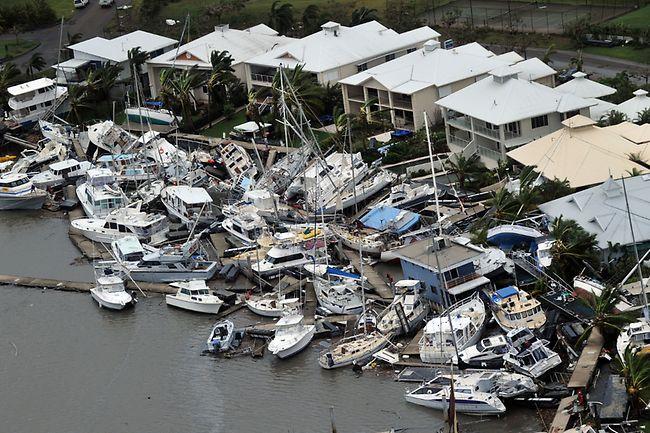
Yasi’s aftermath was devastating. The cyclone caused $300 million in agricultural losses, particularly in the banana and sugarcane industries, and left more than 200,000 properties without power. Boats were piled on top of each other, and flooding caused significant damage to homes and infrastructure.
Recovery was a long road and showed the importance of planning for the future. Strengthening infrastructure, protecting livelihoods, and ensuring sustainable, resilient development in vulnerable areas are all key to building a more resilient Queensland.
What We’ve Learned from Cyclone Yasi
Cyclone Yasi taught us some hard but valuable lessons:
Evacuation Saves Lives: The coordinated evacuation of thousands of residents and hospital patients was a monumental effort that undoubtedly prevented a further, unfathomable tragedy. Today, we’ve learnt from events like Yasi, and as a result, evacuation plans and processes are even more refined, but they only work if we follow them.
Stay Informed: Early warnings gave people in the Cassowary Coast Regional Council time to act. Some cyclones can stay out in the ocean for weeks, whereas others, like Yasi, will come into the coastline with speed and velocity. Staying updated regularly with local conditions through trusted sources like the Bureau of Meteorology and your local council is critical.
Community Resilience Matters: Recovery is faster and easier when we work together. Whether it’s checking on neighbours, supporting local businesses, or volunteering, every small action helps. After Yasi, communities worked together to recover, support each other and rebuild the community they loved.
Cyclone Preparation – Getting Ready ahead of time
Cyclones are a part of life in Queensland, but being prepared ahead of time can make all the difference when it comes to keeping yourself, your loved ones, and your community safe.
While cyclones bring unique challenges – like storm surges, high winds, and heavy rainfall – many of the steps you take to prepare will also help you stay safe during other emergencies, like floods, storms, and even heatwave and bushfires.
Here’s some ways to get ready when it comes to a cyclone, but remember you can use these to get ready for any severe weather:
1. Know Your Risk
Every Queenslander lives with some level of risk, but it’s important to understand what that looks like for your area.
Storm Surge: Cyclones can push seawater onto land, causing dangerous flooding in coastal areas. Check if your home is in a storm surge zone by visiting your local council’s website or using online mapping tools. If you are in a high-risk area, know your evacuation routes and where you’ll go if you need to leave.
Flooding: Heavy rainfall from cyclones can cause rivers to rise and roads to flood. Know the flood history of your area and always avoid driving through floodwaters – if it’s flooded, forget it!
Wind Damage: Cyclones can bring destructive winds that damage roofs, trees, and powerlines. Secure loose items around your home, like outdoor furniture and trampolines, to prevent them from becoming dangerous projectiles.
2. Make a Plan
When a cyclone is on its way, you don’t want to be scrambling to figure out what to do. A solid plan will help you act quickly and confidently.
Evacuation Plan: If you live in a storm surge or flood-prone area, know where you’ll go if you need to evacuate. Identify your nearest evacuation centre or arrange to stay with family or friends in a safer location.
Communication Plan: Talk with your family about how you’ll stay in touch during an emergency. Make sure everyone knows where to meet if you get separated and have a list of important phone numbers written down in case your phone runs out of battery.
Pet Plan: Don’t forget your furry, feathered, or scaly friends! Make sure you have a plan for their safety too, including food, water, and any medications they might need.
Livestock Plan: If you have livestock, you need to keep them safe, as well as your property.
3. Pack a Kit
An emergency kit is your lifeline during a disaster. It’s what you’ll rely on if you lose power, water, or access to shops. Here’s what to include:
Essentials: Non-perishable food, bottled water (at least 10 litres per person), a first aid kit, and any medications you need, as well as:
Important Documents: Keep copies of ID, insurance papers, and other important documents in a waterproof bag, a USB or online.
Battery-Operated Radio: Cyclones often knock out power and mobile networks, so a battery-operated radio is a must-have for staying updated on emergency alerts and weather warnings.
Lighting and Power: Pack a torch, spare batteries, and a power bank for your devices.
Clothing and Bedding: Include sturdy shoes, warm clothing, and blankets.
Hygiene Supplies: Don’t forget items like hand sanitiser, wet wipes, and toiletries.
Special Items: Think about what your family might need – baby formula, nappies, or supplies for elderly family members, neurodivergent minds (noise cancelling headphones – game changer) and those who might need powered medical equipment.
4. Prepare Your Home
Your home is your first line of defence during a cyclone, so it’s important to make sure it’s ready.
Secure Loose Items: Bring outdoor furniture, toys, and tools inside. Secure anything that could become a projectile in strong winds.
Check Your Roof: Make sure your roof is in good condition and repair any loose tiles or sheets.
Clear Gutters and Drains: Blocked gutters can cause water to back up and damage your home.
Trim Trees: Remove overhanging branches that could fall on your house or powerlines.
5. Look after your wellbeing and preparing your mind
Emergencies can be stressful, so it’s important to look after your mental health as well as your physical safety.
Talk About It: Discuss your emergency plan with your family so everyone knows what to expect.
Stay Calm: Focus on what you can control, like packing your kit and following your plan.
Check In: After the event, check in with your loved ones and neighbours to see how they’re coping. A problem shared, is a problem halved.
6. Build Community Resilience
When it comes to disasters, we’re stronger together.
Get to Know Your Neighbours: A friendly chat over the fence can make all the difference when a cyclone hits. Knowing who might need extra help – like elderly neighbours or families with young kids – can save lives.
Join Local Groups: Community groups and volunteer organisations are a great way to connect with others and build resilience.
Support Local Businesses: After a disaster, supporting local businesses helps communities recover faster.
Share Your Knowledge: If you are a long-time resident who knows a thing or two about cyclones, be sure to chat to new community members, you’d be surprised how much your words can make a difference to someone else’s preparation.
Queensland is an incredible place to live. If we all do our bit to Get Ready for cyclones – we help, make our little corner of the world more resilient and keep it strong for generations to come.