Preparing your pets: keep them safe when severe weather hits
Your pets depend on you for their safety and wellbeing. Whether you have dogs, cats, goats, pigs or horses, they rely on you to make the right decisions when severe weather threatens. In Queensland, where cyclones, floods, storms and heatwaves are part of life, taking the time to prepare in advance can make a significant difference to their safety.
Preparation doesn’t need to be complicated. It simply involves understanding the risks in your local area, gathering a few essential supplies, and putting a plan in place that works for both you and your animals. Thinking through these details ahead of time means you won’t be scrambling to make decisions when conditions start to deteriorate.
When strong winds arrive or heavy rain sets in, having a clear plan allows you to respond calmly and confidently. You’ll already know where your animals will go, what supplies they require, and how you will keep them secure and comfortable throughout the event.
By taking these practical and manageable steps now, you can feel reassured that everyone in your household, both people and animals, is properly prepared and protected.
Why pets need special planning
Animals don’t understand warnings, sirens, or evacuation alerts. Stress and fear can make even the calmest pets anxious, unpredictable, or likely to wander.
During severe weather, pets can face a range of risks, including:
Fear from loud winds, thunderstorms, or heavy rain
Heat stress during heatwaves or prolonged power outages
Flooding of yards, kennels, stables, or enclosures
Injury from debris or fast-moving water
Becoming separated from their owners if evacuation happens quickly
Knowing these risks and taking steps in advance is the best way to keep your animals safe. Simple preparation can make a big difference when the weather turns.
Pet preparedness: How ready is ready?
Getting prepared for your pets doesn’t have to happen all at once. Starting with a few simple steps now can make it much easier to stay organised when it matters most.
Below is a checklist of practical things to consider for your household pets:
Has a clear evacuation plan that covers every animal
Knows where pets will go if shelters do not accept them
Keeps animals identifiable with microchips and ID tags
Has a pet emergency kit packed and ready to go
Plans for both short-term emergencies and longer disruptions
Households that plan ahead cope better, recover faster, and can protect their animals with confidence. Even small steps now make a big difference when the weather changes.
Why self-reliance matters (and how it keeps your pets safer)
In an emergency, people will always be the first priority. This means your pets are unlikely to be assisted by emergency services, and you may not be able to rely on someone else to collect or care for them. Most evacuation centres do not accept animals, with the exception of certified service animals. Roads can close with little warning, and once you leave, returning home may not be possible for some time.
Planning ahead gives you practical options and greater peace of mind. When you have already decided where your animals will go, how you will transport them safely, and what supplies you will need, you reduce the pressure of making difficult decisions at the last minute. Having a clear plan in place also helps keep your pets calmer during what can already be a stressful situation.
Some simple steps that can make a big difference:
Identify a safe place for each animal if you need to leave home quickly
Keep microchips, ID tags, and veterinary information up to date
Prepare an emergency kit with food, water, and supplies.
By thinking through these arrangements in advance, you are building your ability to respond effectively under pressure. You will be better positioned to act quickly, protect your animals, and potentially support neighbours who may need assistance.
Being prepared is not about getting everything perfect; it is about having a workable plan that allows you to focus on keeping yourself and others safe, knowing your pets have been considered and provided for.
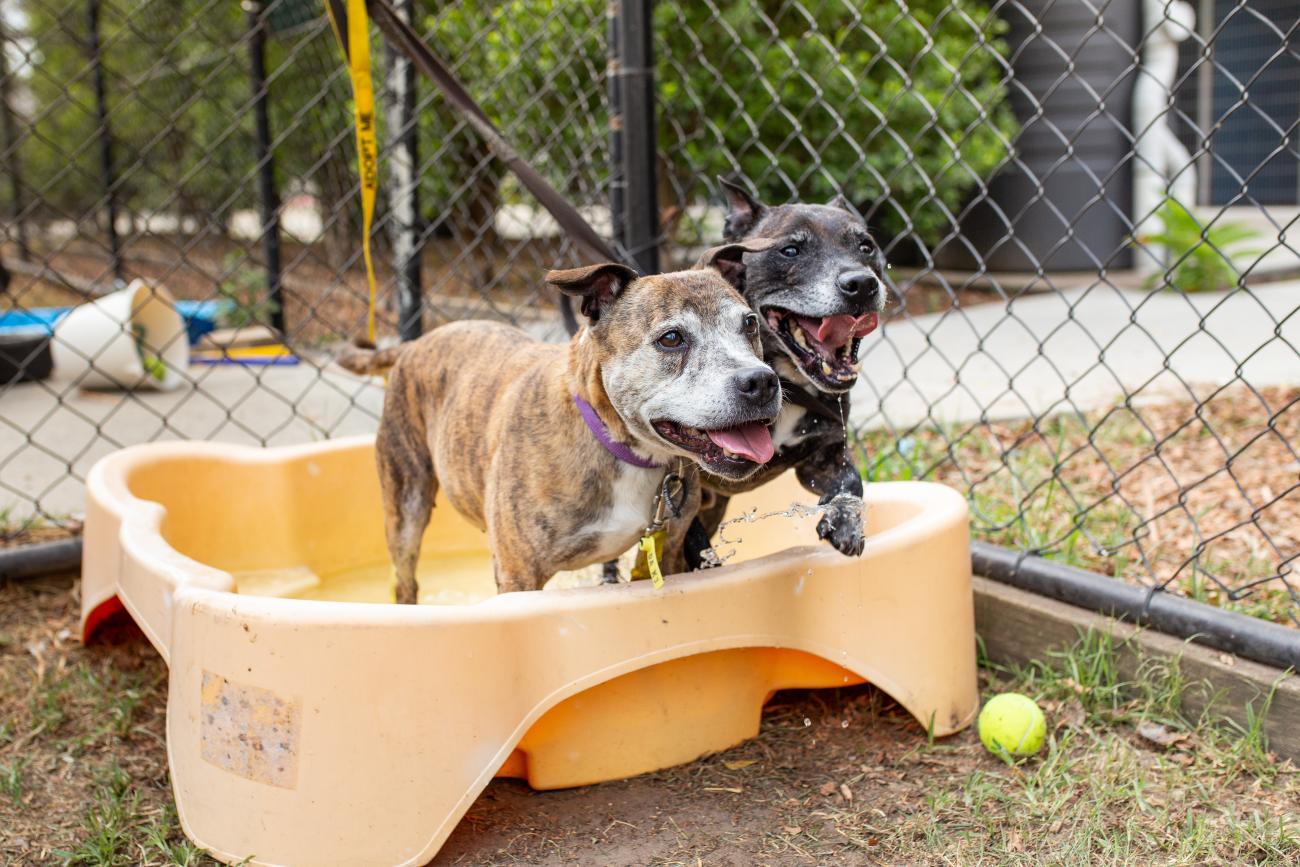
Know your risks and take control
The first step to keeping your pets safe is understanding the risks around you and how they might affect your animals. Every property is different, and every pet reacts differently to weather. Thinking about these things ahead of time makes decisions easier when a warning comes.
Start with your environment. Ask yourself:
Is your home in a flood-prone area?
Could strong winds, storms, or storm surges affect your yard, stables, or enclosures?
Do your animals spend time outside where rising water or debris could trap them?
Could road closures leave you unable to reach them?
Then consider your pets themselves. Think about:
Do they panic during loud noises or storms?
Are any elderly, unwell, or on medication?
Could frightened animals escape if fences or gates fail?
Knowing these details isn’t about worrying; it’s about being practical and prepared. When you understand the risks in your area and the specific needs of your pets, you are far better equipped to make informed decisions and respond quickly and confidently if severe weather occurs.
Building your capability before severe weather hits
Keeping your pets safe during severe weather begins well before the first signs of a storm. Effective preparation is about understanding your animals’ needs, having appropriate supplies ready, and feeling confident in how you will transport and care for them if conditions change quickly.
Rather than focusing on categories or checklists alone, think about overall readiness: knowing what to do, having what you need on hand, and being in a position to act without delay. When these elements come together, you are far better prepared to protect your animals and manage whatever the season brings. Some things that might help:
Recognising behaviour patterns
Storms, heatwaves and sudden emergencies can place unexpected stress on pets. Learning to recognise changes in their behaviour can make a significant difference to how well you support them. Signs of stress may include excessive panting, pacing, hiding, shaking, vocalising more than usual, or trying to escape. Having a plan to manage these reactions helps reduce anxiety for both you and your animals.
Create a safe space
One practical way to help keep pets calm is to create a familiar, secure space in advance, such as a crate or quiet room with their bedding and a favourite toy, so they associate it with safety before an emergency occurs.
Practice transportation
Practicing how to handle and transport your animals before a severe weather warning is issued can make things much easier when time is tight. For example, loading your dog into a crate, your cat into a carrier, or your horse into a float ahead of time helps familiarise them with the routine and reduces stress during an actual emergency.
Animal First Aid
Basic first aid is another skill worth developing. Knowing how to treat minor injuries or at least stabilise an animal until a vet can help can save valuable time and reduce stress for your pets during a crisis. You can talk to your local vet for guidance on basic first-aid techniques.
Preparing your home and emergency kit

A grab-and-go pet emergency kit is essential. Aim for at least five days of supplies and store it somewhere easy to reach. Include:
Food and bottled water
Bowls and a can opener
Medications and vet records
A small first-aid kit, including medications and parasite control, allergy and/or other regular treatments
Leads, harnesses, collars, and ID tags
Carriers or crates
Bedding, blankets, or toys to help pets feel safe
Litter, waste bags, and cleaning supplies
Copies of registration and vaccination papers
Recent photos of you with your pet in case you’re separated.
Your home may also need a few small adjustments to help keep pets safe during severe weather. Choose a secure indoor room with minimal windows, such as a bathroom or laundry, where pets can stay during storms. Use sturdy, spill-resistant water bowls, and regularly check fences, gates and enclosures to ensure they are secure. Avoid leaving pets tied up outside during severe weather.
Transport and relocation
Have a plan for where your animals will go if you need to leave. Talk to friends or family outside your area who could take your pets and know which evacuation locations accept them. Practising this now makes the whole process smoother when a warning is issued.
Financial and knowledge preparedness
If you have pet insurance, check your policy so you understand what is covered and whether any exclusions apply during severe weather events. Keep important documents, including veterinary contact details and insurance information, with your emergency kit so they are easy to access if needed.
Include pets in your household emergency plan. List who is responsible for each animal, keep a hard copy of vet details, and remember that most evacuation centres do not accept pets except service animals. Knowing all this ahead of time makes decisions faster and less stressful.
Community connections
You don’t have to do it alone. Talk to neighbours about what happens if you can’t get home, share plans, and offer mutual support. Keep in touch with your local council, shelters, and follow RSPCA Queensland for behaviour tips, weather advice, and recovery guidance. A connected community keeps everyone, including your pets, safer.
Check with family and friends who live outside your local area to see if they would be able to look after your pets if you needed to evacuate.
Additional risks: storms, heatwaves, and wildlife
Even with a plan and supplies, severe weather can still present challenges for your pets. Knowing what to watch for and how to respond keeps your animals safer and reduces stress for you.
Thunderstorms
Storms can be stressful for pets. Dogs may hide under furniture; cats may run away or become restless. If possible, stay with them. Create a quiet space with familiar bedding or toys and play soft music to help mask the noise.
Helping pets become comfortable with being indoors, in a crate, or in a designated safe space before storm season can make a big difference. When animals are already familiar with these spaces and routines, they are more likely to remain calm during severe weather.
Heatwaves
Queensland summers are tough, and heat can be dangerous for animals. Keep these practical steps in mind:
Make sure pets always have access to shade
Provide plenty of fresh, cool water
Avoid walking or letting animals stand on hot surfaces
Never leave animals in vehicles.
Check animals regularly during extreme heat, particularly young, elderly, or vulnerable stock. Taking simple precautions can help reduce the risk of heat stress.
Wildlife interactions
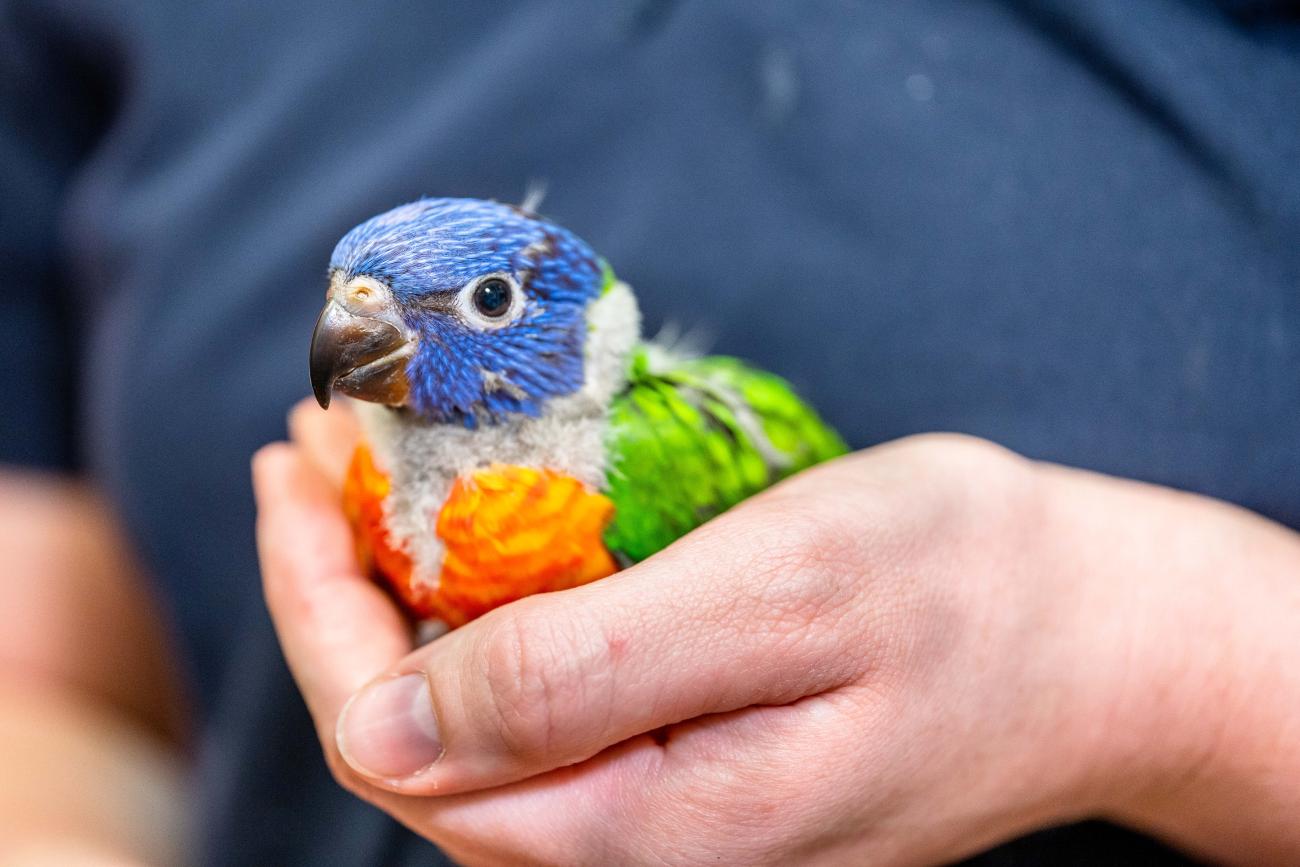
Severe weather can displace native wildlife, sometimes bringing them into your yard or other unfamiliar areas. Injured or stressed animals may appear approachable but handling them incorrectly can be dangerous for both you and the animal.
If you find sick or injured wildlife, contact the professionals at 1300 ANIMAL (1300 264 625). They will guide you on how to care for the animal until help arrives. Supporting wildlife safely protects both the animals and your own pets.
Decide in advance, act with confidence and stay informed
Having trusted information at your fingertips can make all the difference. Keep these contacts handy:
Get Ready Queensland – pet plans, checklists, and practical guides
Your local council – evacuation alerts, shelter information, and local animal management policies
RSPCA Queensland – behaviour guidance, videos, and recovery advice
Local veterinarians – medical guidance and care for pets with special needs or injuries
State Emergency Service (SES) – assistance for pets and their owners during rescues: 132 500
Avoid relying solely on social media for life-saving decisions. Following official sources ensures you get accurate, timely advice that keeps you and your animals safe.
Your action plan for pet preparedness
This week
✅ Add pets to your household emergency plan
✅ Identify evacuation options
✅ Check microchip and registration details
✅ Gather vet and emergency contacts
This month
✅ Start building your pet emergency kit
✅ Practice transporting your animals
✅ Introduce yourself to neighbours
✅ Review your home for hazards
This season
✅ Update vaccinations
✅ Secure outdoor areas
✅ Inspect carriers, leads, floats, and crates
Ongoing
✅ Refresh your emergency kit regularly
✅ Update your plan as your pets’ needs change
✅ Monitor weather each season
✅ Stay connected with community and support networks
Confidence comes from preparation
Natural disasters can be unpredictable, but your preparation doesn’t have to be. Keeping your pets safe isn’t about doing everything perfectly or alone, it’s about having plans, supplies, and support in place so every member of your household is cared for.
Start small. Take one action today, then another tomorrow. Check your emergency kit, update ID tags, or practice loading a carrier. Each step builds your confidence and makes your pets safer when the weather turns.
With a little planning, you’ll know you can handle whatever comes. Your dogs, cats, horses, goats, and pigs… they’re relying on you, and your preparation gives them the best chance of staying calm, safe, and cared for.
For more guidance, visit Get Ready Queensland, RSPCA Queensland or speak with your local vet.