Accessibility and Safety: Preparing for Severe Weather During Disability Action Week 2025
Disability Action Week 2025 ran from Sunday 23 November to Sunday 30 November, leading up to International Day of People with Disability on 3 December. This year’s theme, Communicate. Connect. Create., reminds us that accessibility works best when people can access the information they need, when they need it. For Queenslanders, that includes receiving emergency information in ways that suit different communication and support needs.
Queensland experiences more natural disasters than any other state, and people with disability often face extra challenges when severe weather hits. Emergency services work hard to keep our communities safe, but personal preparedness is one of the most important factors in staying safe and confident during a disaster.
This article outlines how a person with a disability can stay safe by building capability, strengthening their support network, make decisions early and use reliable sources to stay informed.
Build your capability before you need it
Being prepared means developing your skills, having the essential items and equipment you rely on, and knowing how to access support and information when you need it.
Know Your Risks and Plan Your Actions
Understand the types of severe weather that affect your area.
Have a personal or household emergency plan ready to use.
Decide when to leave, where to go, and which routes are safest.
Identify who can support you if your regular workers cannot reach you.
Know which agencies provide the most reliable updates and warnings.
Build the Skills You Need
Work with your support to create your own Person-Centred Emergency Plan (P-CEP)
Learn how to activate your P-CEP.
Practise explaining your needs to neighbours, support workers or first responders.
Know how to set up and operate backup assistive technology if required.
Become familiar with how to evacuate from your home.
Learn where to find and how to check official emergency warnings.
Decide What You Will Do in Different Scenarios
Making decisions early reduces stress during an emergency.
Examples:
If a cyclone watch is issued, charge all essential equipment and backup batteries.
If a support worker is delayed or unable to come, contact your nominated backup person.
If flooding is likely, leave early and go to your planned accommodation.
If the power is out for more than six hours, relocate to a safe place with power.
A good plan should include:
| 
| 
| 
|
What you do best and what help makes things easier. Knowing what you do best can help you get ready for an emergency. Think about the everyday tasks you can do on your own and the things that feel easy or comfortable for you. Then think about the tasks that are harder, take more time, or make you feel worried. | What you have already done to get ready. Think about the things you have already done to get ready for an emergency. This could be packing an emergency bag, making a list of important contacts, or planning where to go if you need to leave your home. Writing down what you have already done helps you see that you are prepared and shows others the steps you have taken. | What might be hard for you in an emergency. Think about what might be hard for you in an emergency. This could be things like moving quickly, reaching important items, communicating, or managing your health needs. Knowing what is difficult helps you and the people who support you plan ahead. | What you can do to fix or reduce those problems. Once you know what might be hard for you in an emergency, you can think about ways to fix or reduce those problems. This might include getting help from family, friends, or support workers, keeping important items within reach, or having the right equipment ready. |
Test and Review Your Plan
Practise your evacuation route.
Test communication devices and apps.
Check how long backup batteries last.
Try a small household preparedness drill.
Update your emergency contacts regularly.
Have the Essential Items and Equipment Ready
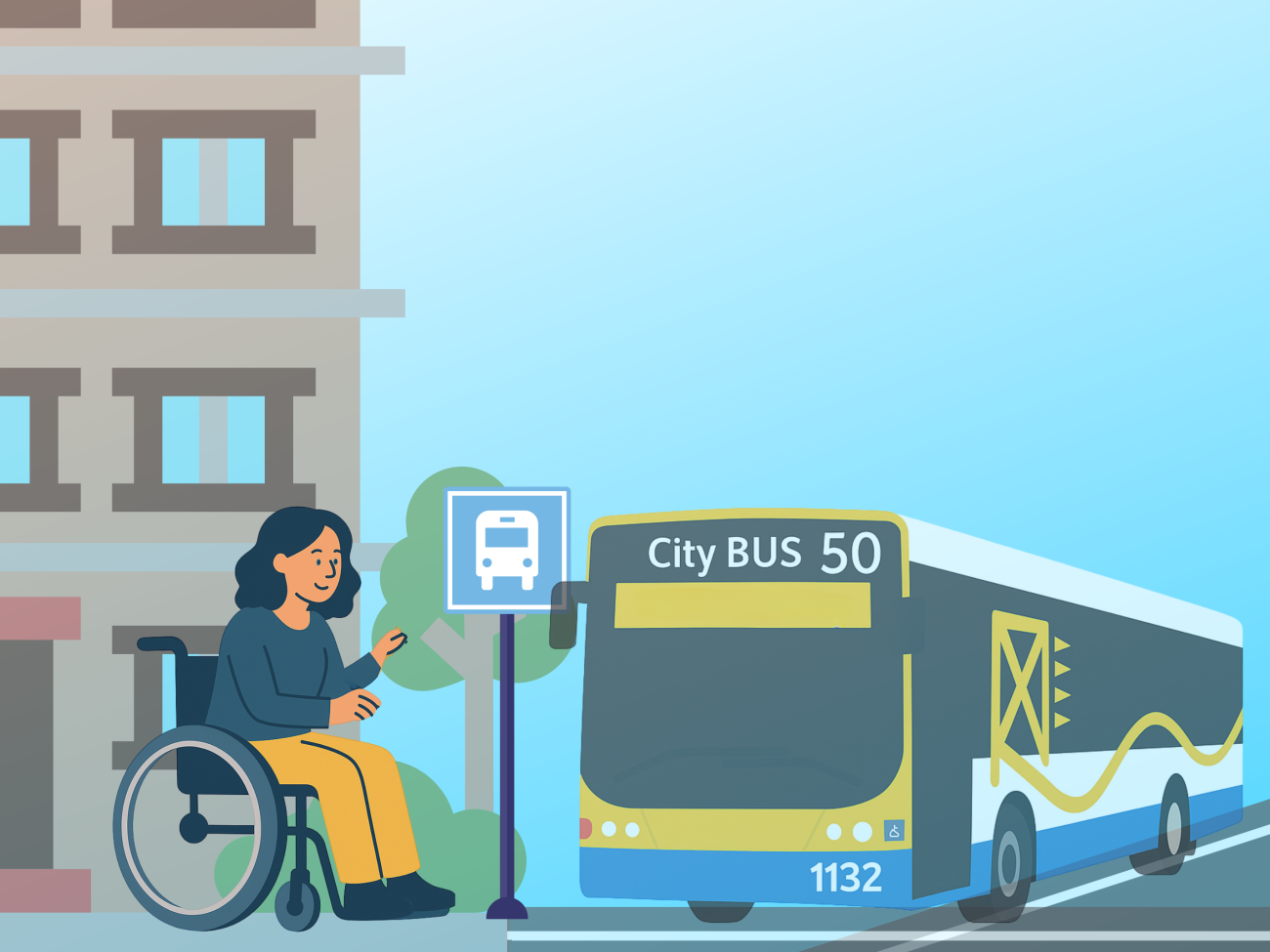
Keep an emergency kit with medication, chargers, communication aids and personal supports.
Ensure backup batteries and power banks stay charged.
Prepare a grab bag containing key documents, health information and must-have items.
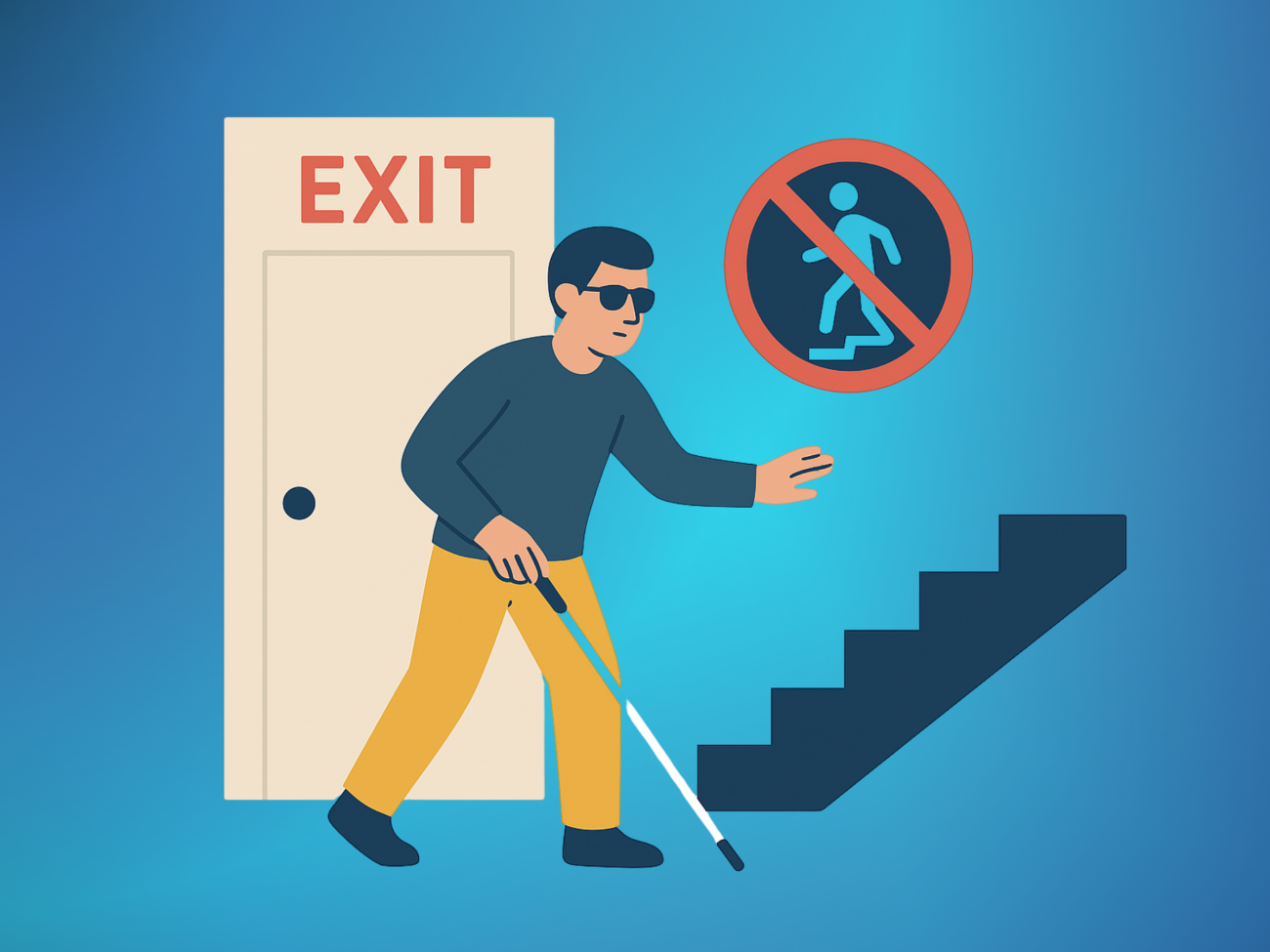
Make sure your exit routes are clear and safe.
Keep mobility devices or equipment well maintained.
Have supplies ready for assistance animals or pets.
Create a support network
Preparedness is also about people. Strong community connections help everyone stay safe.
Build neighbourhood connections before disaster strikes
Share your emergency plan with neighbours you trust, or your carers and support workers.
Swap contact information and set up a simple check in method.
Learn who else in the street may have support needs.
Know when to ask for help
Asking for help is an important part of staying safe. You may need support when:
Your assistive technology stops working or batteries run low.
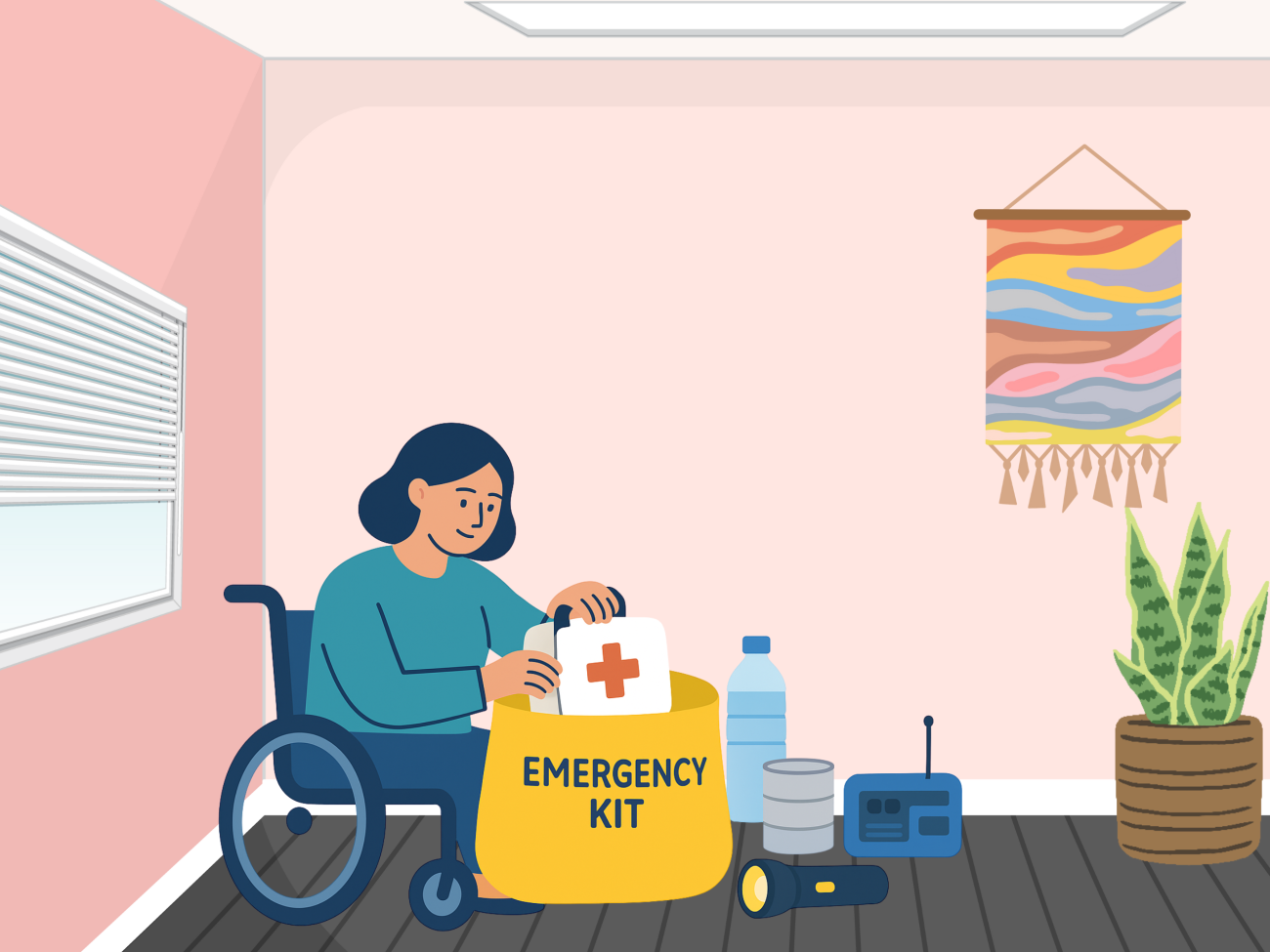
You need transport before roads close.
Your usual support workers cannot reach you.
Learn from lived experience
One of the most powerful ways to prepare is by hearing from people who have been through severe weather before. Four Queenslanders have shared their stories through accessible videos created for Disability Action Week 2025.
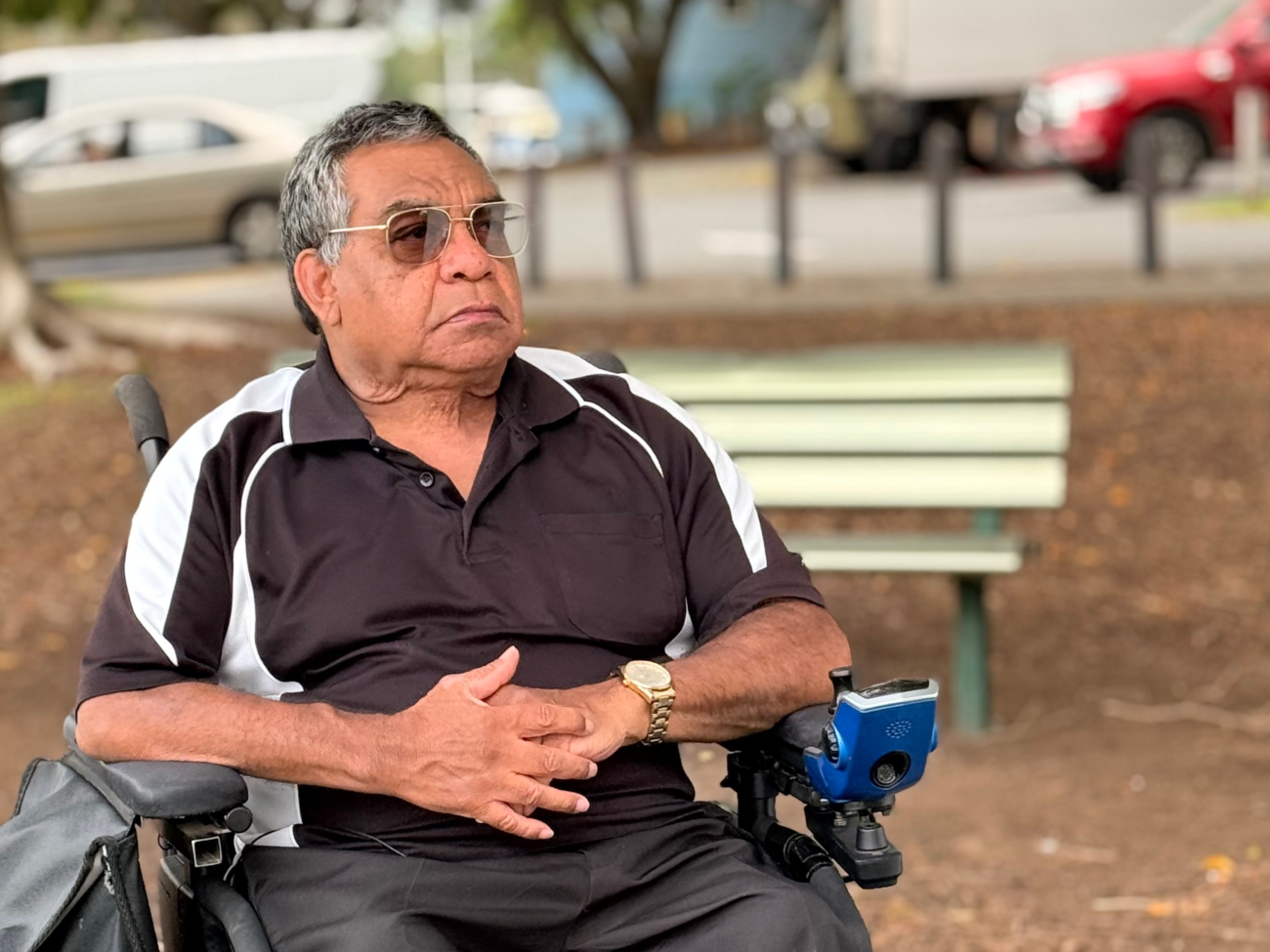
| Uncle Willie was born on Wakka Wakka country in Cherbourg and also maintains cultural and spiritual connections to the Kalkadoon people of Mt Isa. From an early age, he faced significant challenges. Living in Brisbane, Uncle Willie has experienced the impacts of major flood events, including those in 2011 and 2022. |
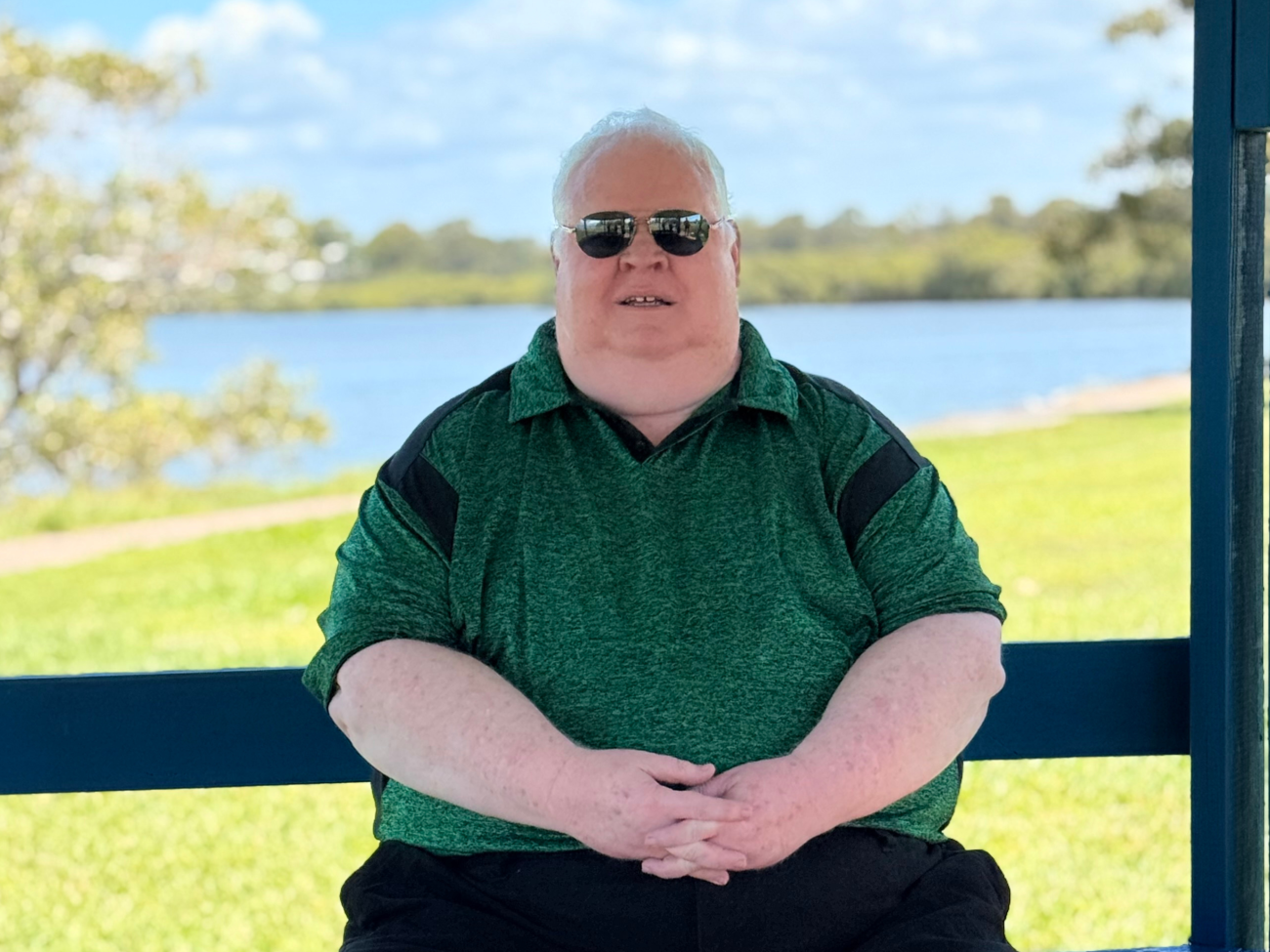
| Neale lives at Victoria Point, Queensland, and is legally blind due to albinism. Earlier in 2025, he experienced Tropical Cyclone Alfred, which posed a significant flooding threat to his home. Unable to drive, Neale relied on his emergency planning and support network to evacuate safely, choosing to stay in a hotel to maintain independence while ensuring his essential needs, including medication and accessibility equipment, were met. |
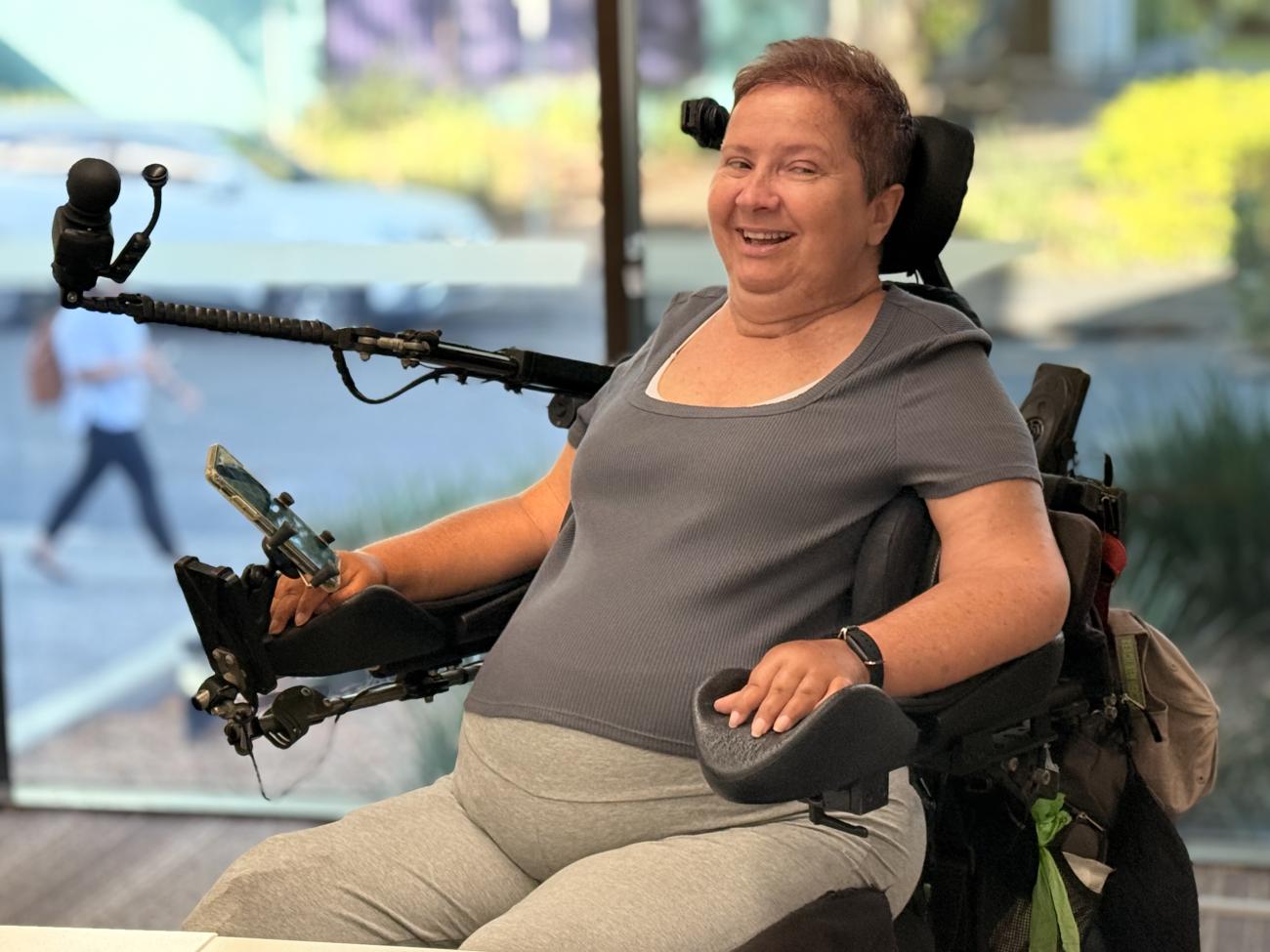
| Joanna lives in the Redlands on Quandamooka Country, and is a C3-C4 quadriplegic, meaning she is paralysed from the neck down and relies on support for daily activities. During Tropical Cyclone Alfred, she experienced a 48-hour power outage, highlighting the challenges faced by people with significant physical disabilities during emergencies. |
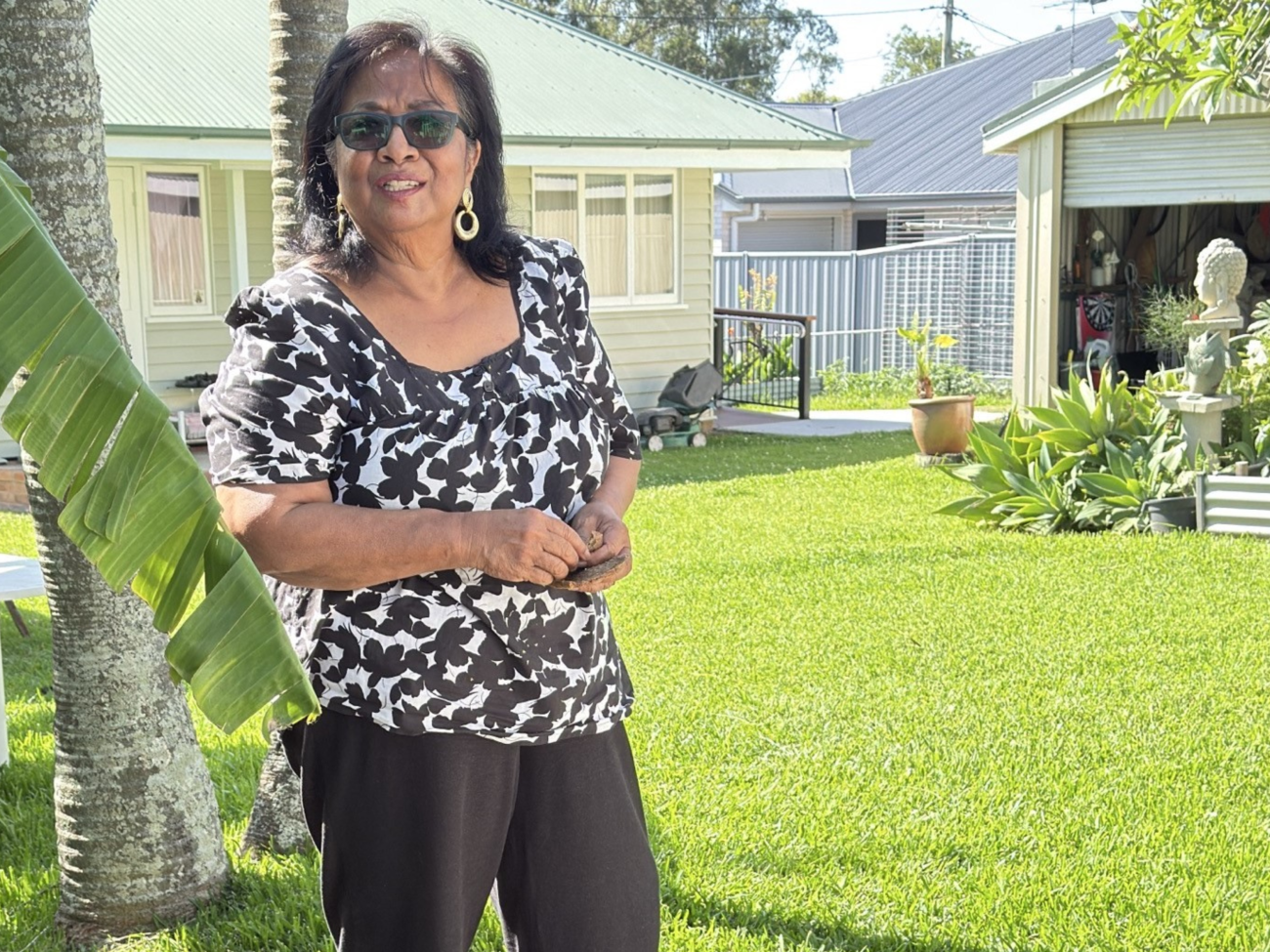
| Aunty Semah is a devoted carer and parent to her adult son, who has Cerebral Palsy and Autism. |
Stay informed, stay empowered
Reliable information helps you act with confidence. Check:
Bureau of Meteorology warnings
Get Ready Queensland
Your local council disaster dashboard
ABC Local Radio
Queensland Police Service and Queensland Fire and Emergency Services
NDIS emergency planning resources
The Disability Inclusive Disaster Risk Reduction Toolkit
Avoid misinformation by cross checking advice with official sources.
Your Get Ready checklist
The confidence that comes from being prepared
Preparation gives you confidence and reduces stress. It puts you in control during severe weather and strengthens your household and your community. Every step you take now makes a difference when storms or floods arrive.
Ready to take charge of your safety? Start with one small action today. Find your local council’s disaster dashboard to see evacuation centres, local hazards and the tools available to help you prepare. Every Queensland council has resources ready to support you.
This week:
Download or print the P-CEP Workbook
Charge all assistive technology and power banks
Talk with your support network about backup plans
This month:
Update your emergency kit
Confirm an accessible evacuation destination
Prepare medical and personal information in easy to access formats
Practise your communication check in process
Explore joining QDN or another community network
This severe weather season:
Review your emergency plan before storm season intensifies
Maintain mobility equipment and technology
Recheck evacuation routes and safe locations
Confirm availability of support workers during peak risk periods
Ongoing:
Keep batteries charged and test backups
Maintain your contact list
Check weather updates regularly
Refresh items in your emergency kit
Share preparedness tips and resources with your community
Essential resources
Get Ready Queensland Online Planning Tool
Disability-Inclusive Disaster Risk Reduction (DIDRR) Framework and Toolkit
NDIS Emergency Planning Resources