Everyone Worked Together
How gulf businesses helped keep a community connected during isolation
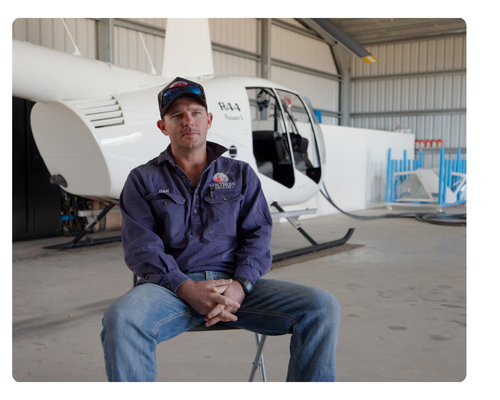
When floodwaters cut road access to Karumba and Normanton for three months, local business owner Dan Horsford saw first-hand what it takes for a remote community to keep moving.
As the owner and operator of Northern Helico, Dan spends much of his time in the skies above the Gulf of Carpentaria. During the 2025-26 wet season, that view gave him a unique perspective on both the challenges and resilience of the region.
"From the end of December through to March and into April, there was a long period where no one was getting in and out of town," Dan said.
For many Queenslanders, a road closure might mean a delayed trip or an inconvenience. For remote communities like Karumba, isolation can affect almost every aspect of daily life, from food supplies and medical services to local businesses and employment.
"With that comes all the local businesses. It's hard to operate. It's hard to get staff in and out of town. Food for the town, supplies. You don't realise how important it is to have those roads open until you're in a situation like that."
The effort no one sees
Despite the challenges, Dan said the community never stopped working together.
He won’t forget the enormous effort required to keep essential supplies flowing into town.
"To be able to get food from Cairns to the shops and shelves at Karumba, there's so many moving parts and to watch it all come together was pretty impressive," he said.
While many people only saw the final result - stocked supermarket shelves and available supplies - Dan witnessed the coordination happening behind the scenes between freight companies, transport operators, local businesses and community members.
"Everyone worked their guts out," he said.
"It was a testament to the freight companies and everyone involved. Everyone was resilient. We got through it all."
Stepping in to help
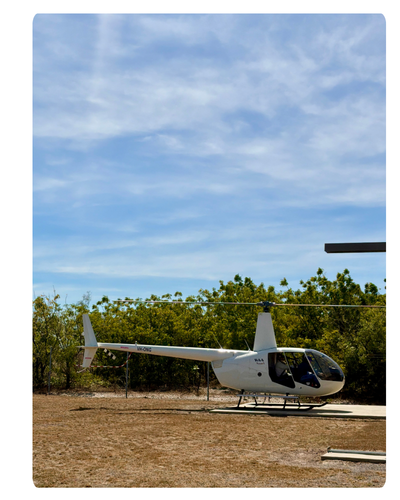
For Dan, community resilience isn't just something he talks about - it's something he actively contributes to.
During the isolation period, he used his helicopter to support essential services across the region.
One example involved assisting commercial crabbers who were struggling to move their product while transport routes remained disrupted.
"It allowed those guys to have some sort of revenue generating from their product rather than it sitting here waiting for the next available barge," he said.
Dan also helped transport medical supplies between communities whenever space was available.
"If I've got spare room and you've got medical supplies that need to come to Karumba, put them on the seat. We'll get them there, and we'll have someone pick them up at this end."
"All the businesses tie together and make it happen."
For Dan, that's what makes the Gulf so special.
"For me, it's the people. Everyone's friendly. Every business within Normanton, Karumba and the wider region are all helpful. Everyone supports one another. Everyone works together."
Getting ready for the wet season
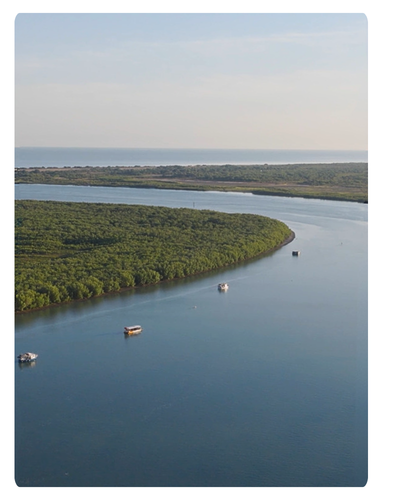
The experience also reinforced the importance of being prepared before severe weather arrives. Dan believes one of the biggest lessons for individuals, households and businesses is to plan ahead and prepare for the worst-case scenario.
"The wet season can be so unpredictable," he said.
"If you plan for the biggest wet season every year, you should be a step ahead of it."
His advice is simple: listen to emergency services, have a plan, and make sure you have the supplies you need before disaster strikes.
"You want to have all your water and food and supplies that you need, rather than going to the shops in a panic buying situation."
As Queenslanders prepare for another summer, Dan hopes others can learn from the experiences of communities like Karumba, where preparation, community spirit and local knowledge continue to make all the difference.
"We see it year after year," he said.
"Plan for the worst. That's the best you can do really."
Get Ready Queensland Week 2026 will be held from 5 - 11 October 2026 and encourages all Queenslanders to take simple actions to know your risk, make a plan and prepare for severe weather before disaster strikes.
Visit getready.qld.gov.au to learn more.