On this page
Flooding is part of life in Queensland and your home doesn't need to be flooded for you to be affected.
We can’t prevent floods from happening, but we can take steps to be prepared.
What is a flood?
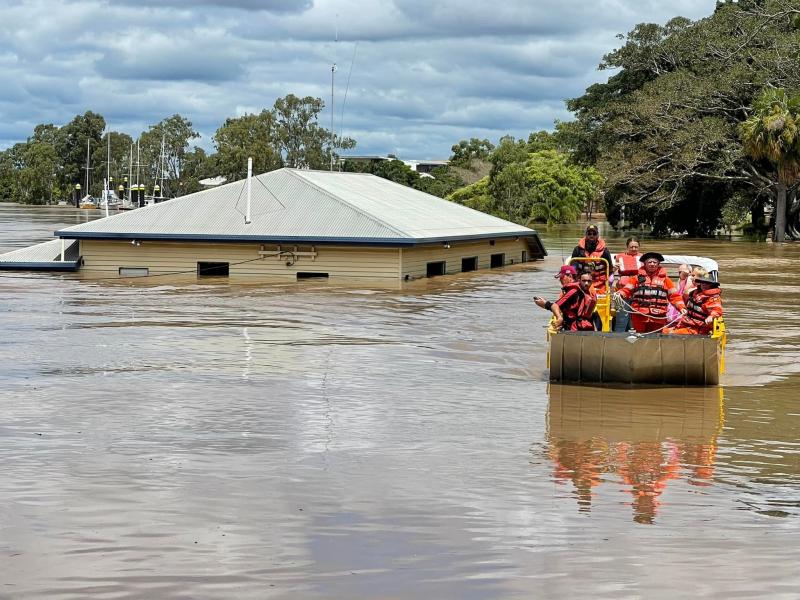
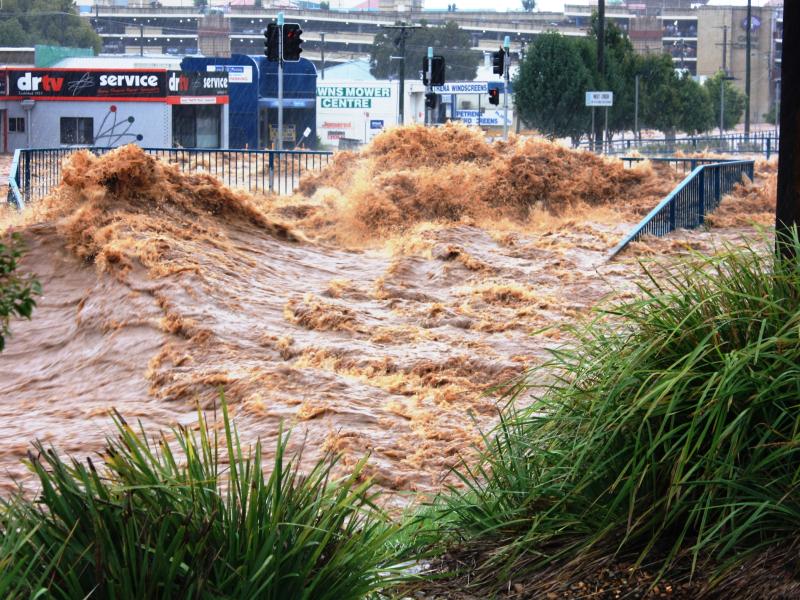
To put it simply, flooding is a when a normally dry area is covered in water. No two floods are the same, and different types of flooding can occur and vary depending on the quantity, duration and location of rain falling on our catchments.
Flood impacts
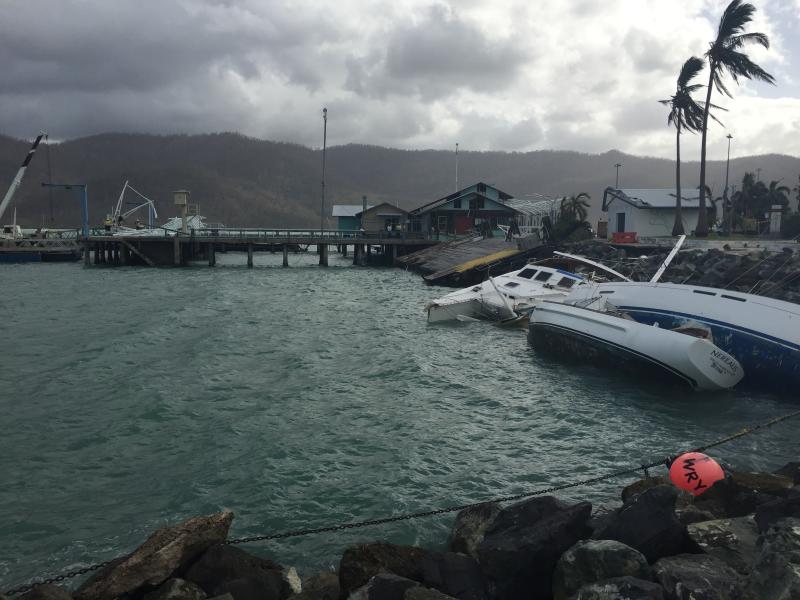
Floods can have both positive and negative impacts. While flooding can bring welcome relief for our farmers and ecosystems suffering from prolonged drought, they damage homes, communities, businesses, schools, roads and infrastructure, and even lead to loss of life.
Flood types
Know your risk of flood
To know the risk of flooding in your area, your best source of local information is your local council. Here are some questions you can ask to help you get started:
What is the flood risk at my place? Where can I find this information?
Could my property be flooded? (Ask about ground level versus flood levels)
Could my house be flooded? (Ask about floor level versus flood level)
Could my street, suburb or locality be cut off by flood waters?
Where would I go if I needed to evacuate?
Which flood warning gauge is most relevant for me?
Make sure to check the flood risk for other locations that are important to you e.g. schools, work, relatives and any other places you regularly visit, considering safe potential evacuation routes and locations should you need to evacuate.