Listening to Country: Ancient practice, future protection
Bushfire preparedness isn’t just about getting ready for the next season – it’s also about planning for the next generation and beyond.
On Yuggera Ugarapul Country in the state’s south-east, First Nations communities have adopted the long-term strategy to fight bushfires with the revival of ancient cultural burns.
Led by Elders, the Julnair Fire Team and community practitioners, this work restores balance across ecosystems while reducing wildfire risk — by caring for each system at the right time, in the right way.
Living Knowledge Network is an Indigenous-led, not-for-profit enterprise and registered charity. For the past 10 years it has supported a growing national network of Indigenous communities and practitioners to promote the revitalisation and use of traditional knowledge systems and practices, including cultural fire burning, delivered through its fire program Firesticks, to improve Country and community health and wellbeing.
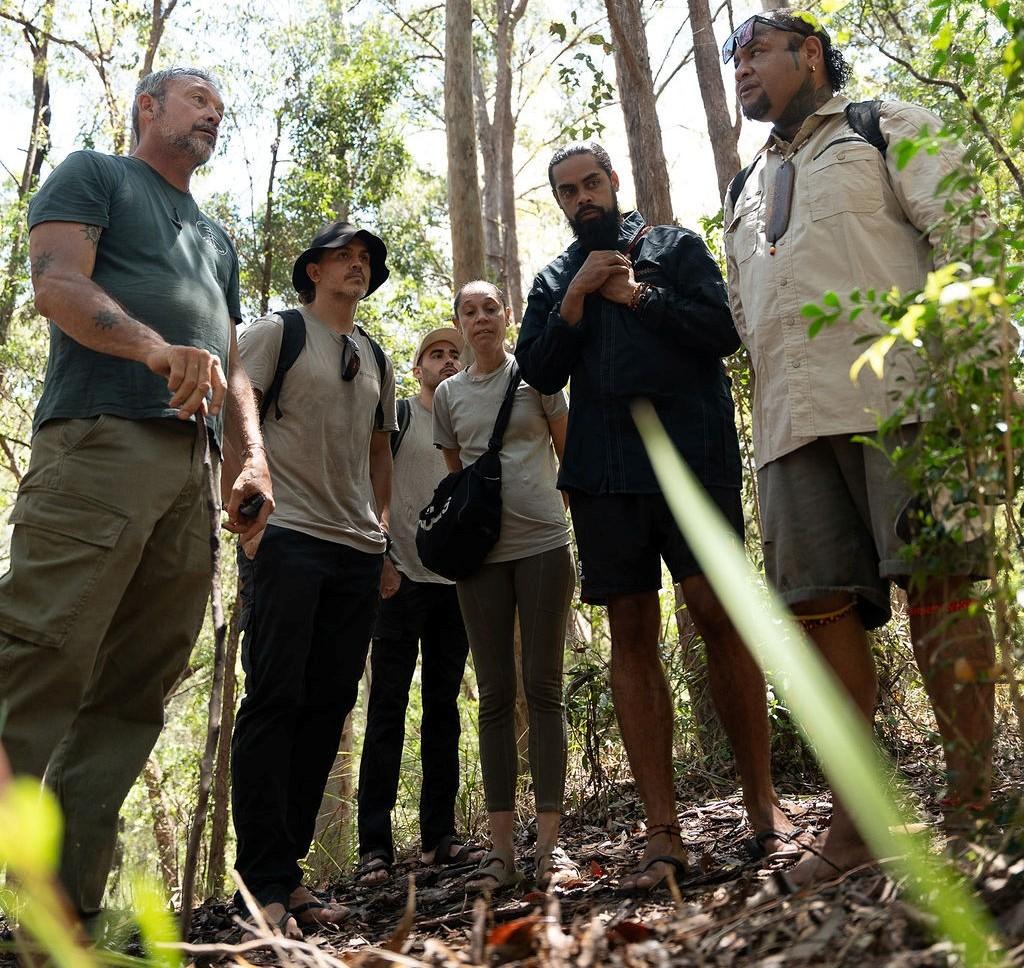
Cultural burns are the traditional Aboriginal and Torres Strait Islander land management practices involving low-intensity, slow-moving fires. Used for over 60,000 years, these burns reduce hazardous fuel loads to mitigate severe bushfire while encouraging the regrowth of native plants, improving soil health, and protecting local wildlife.
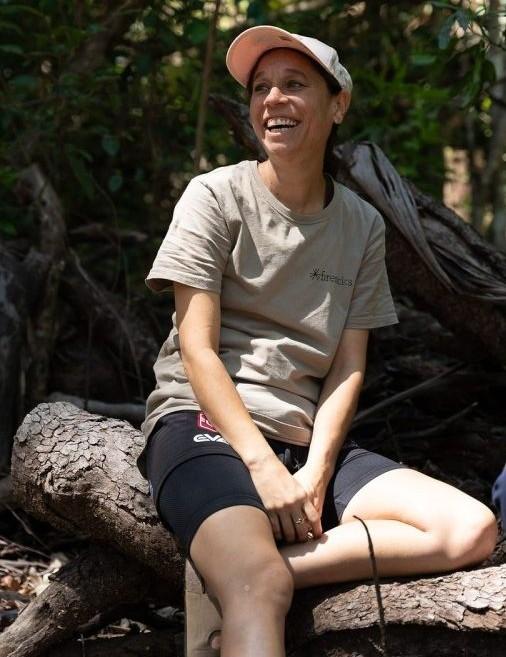
In Queensland, Living Knowledge Network Cultural Fire Practitioner Rheanne Sandy, who recently managed a cultural burn on Yuggera Ugarapul Country, says this work activates Indigenous knowledge and practices to create positive and sustainable outcomes on Country.
“To prepare Country to be ready, fire is used carefully, in small patches, only in the places that needed it, based on what the land was telling us,” she said.
| 
|
“Preparation takes time. The work begins before fire is introduced - reading Country, assessing conditions, and preparing sites so fire can be applied safely. Some areas are ready straight away, while others are left until the timing is right."
Rheanne said flexibility is the key when timelines for cultural burns are determined.
“There isn’t one single season which this practice is applied across Country,” she said.
“Cultural Fire burning practitioners work with local indicators: weather patterns, plant responses, and landscape conditions to apply fire at the safest and most effective times. In many places, different systems are burned at different times of year, depending on what each part of Country is indicating.”
“What we are working on here is long term preparedness. Fire may return to the same place over multiple years, each time supporting a different stage of regeneration. By caring for Country consistently, landscapes are better prepared to withstand extreme events, helping protect communities before disaster strikes.”