Making your home more resilient vs preparing your home for Severe Weather
What's the difference?
If you've lived in Queensland for a while, you already know the drill. Severe weather season rolls around and you're up the ladder clearing gutters. A flood warning pops up and you're digging out the sandbags stored in the shed. It's second nature for most of us.
But here's the thing: those habits, as good as they are, don't actually change how your home holds up when severe weather hits. There's something most homeowners haven't considered, and it could make a real difference next time a cyclone, flood or bushfire is on the horizon.
Let's get your home ready!
First, know your risk
It’s important to know what weather might impact your local area. Not every Queensland home is up against the same thing, so it's worth figuring out what you're actually preparing for.
Flood risk isn't one-size-fits-all. Riverine flooding builds up over days or weeks as rivers and creeks burst their banks. For those in inland Queensland, it can spread across thousands of square kilometres for weeks at a time. Flash flooding is the opposite: fast, often with little warning, and can overwhelm urban creeks and drains in no time. Then there's storm surge and storm tide, where rising sea levels during a cyclone can swamp low-lying areas kilometres inland. Your local council can help you work out where your property sits - above or below the expected flood level.
Cyclone risk is highest if you're within 50 kilometres of the coast between Bundaberg and Thursday Island, where homes need to be built to withstand cyclonic winds. If you're within 100–200 metres of an open shoreline, add storm tide and wave impact to your list of concerns. We all know there are anomalies here, Tropical Cyclone Alfred is a good example. But as it stands now, from Bundaberg up puts you at a higher risk.
Bushfire risk tends to be higher if you're in bushland or a rural residential area, where vegetation, terrain and hot, dry weather combine to create fire danger. Radiant heat can be felt over 100 metres from a large bushfire, and embers can travel kilometres ahead of the main fire front, sparking spot fires well before it arrives.
Once you know what you're up against, it's much easier to work out where to put your time and money towards, to make your home stronger to the elements.
The next step is good old regular home maintenance
This is the year-round stuff. All the small jobs that keep your home ticking over and ready for whatever's coming, no matter your specific risk.
Check your roof and fix any damage
Keep gutters and downpipes clear
Trim back trees and branches close to the house (check with your council first, and give your power distributor a heads-up if anything's near the powerlines)
Sort out any rust, loose fittings or rotting and termite-affected timber.
None of this requires a tradie or a big budget, just time and regular attention. It’s important to do regularly as it can reduce impact from things like water building up in the eaves of the home from the gutters being overloaded with debris or branches falling in a storm and damaging your roof.
The next level is preparing your home just before an event
This is what kicks in specifically when a cyclone, storm or flood is on the way, and it looks a bit different depending on your risk.
In a flood-prone area? Sandbags placed correctly in front of doorways, roller doors and drains can reduce how much water gets in.
In a cyclone-prone area? Prepare your home prior to a cyclone by securing your cyclone screens, board up exposed windows, or tape plastic sheeting to the inside of glass to keep the wind and rain out.
Wherever you are, it's worth knowing your home's safest room, moving valuables and electrical items up off the floor, and knowing how to shut off your utilities if you need to.
These actions get you through a flood or a cyclone event as safely as you can. But they're reactive, and once the storm passes, you're starting from scratch again next time.
The gold star – resilient building design
This is the one most homeowners overlook, and it's the one that can actually help reduce the damage and create long-term resilience in your home. Instead of reacting each time severe weather approaches, resilient design (and resilient renos) means making permanent changes to your home that reduce the damage before it happens.
If you're cyclone-prone: Cyclone screens or shutters protect your windows from flying debris, and extra bolts and stronger hinges on entrance doors stop them blowing open under wind pressure. This matters most if you're in that 50-kilometre coastal band from Bundaberg to the top of the Cape.
If you're bushfire-prone: Non-combustible screens over vents and other openings stop embers getting into your roof or subfloor space - one of the most common ways a bushfire finds its way inside a home.
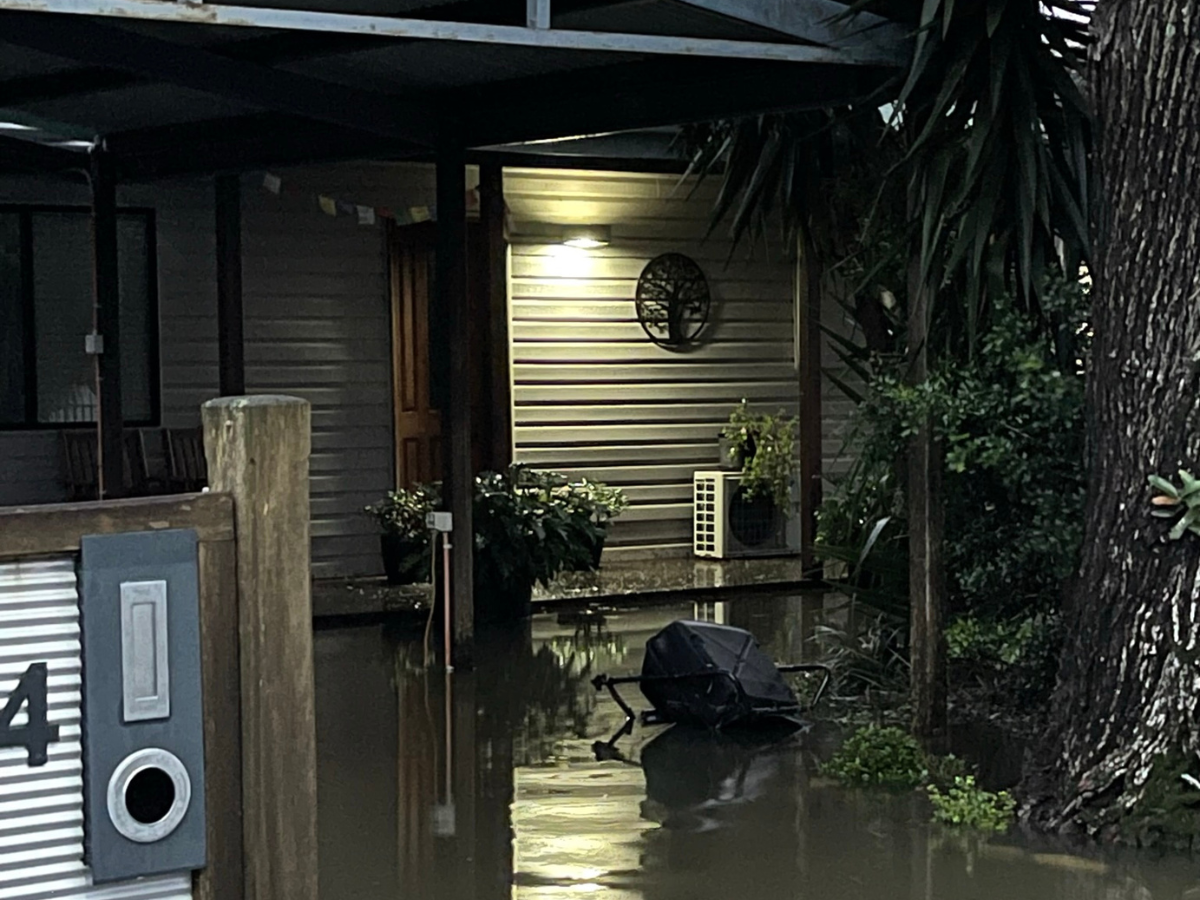
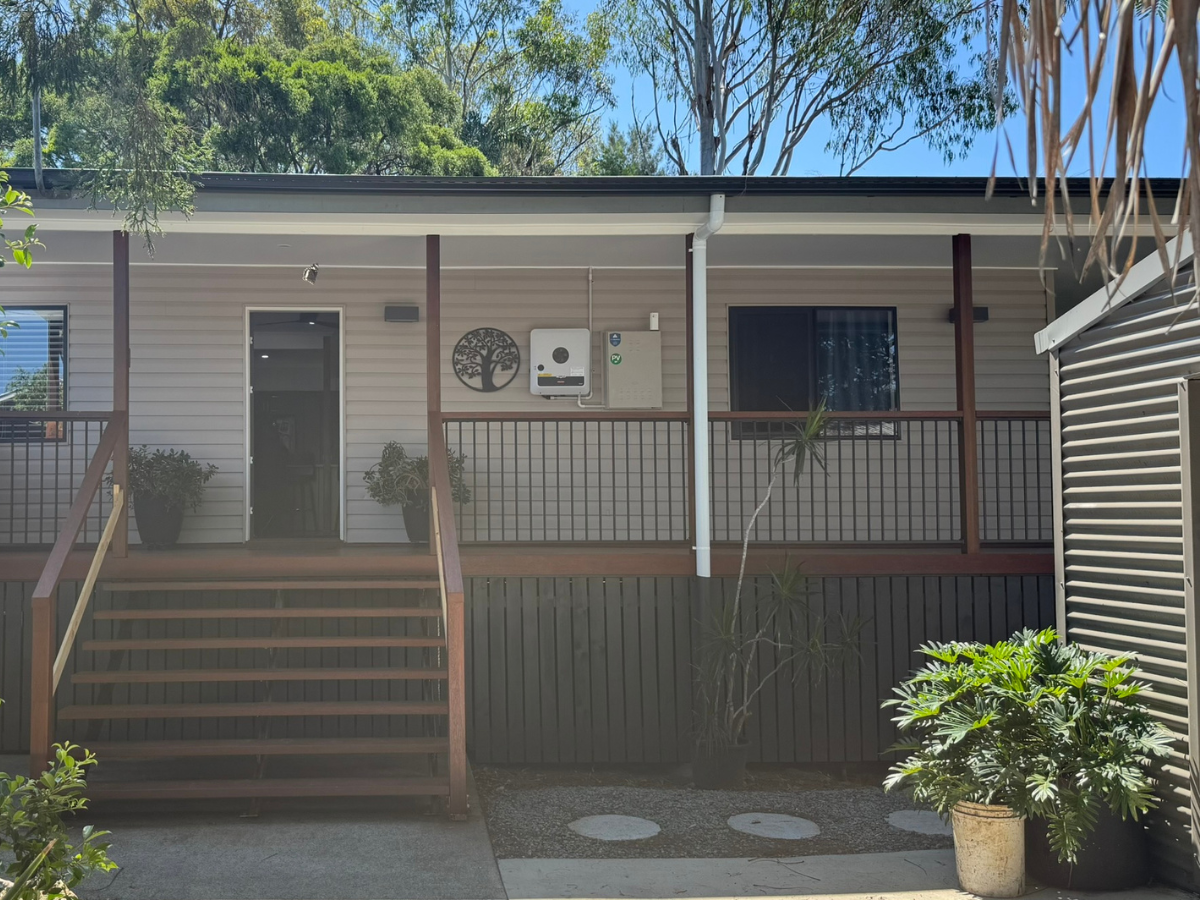
If you're flood-prone: Raising your home above expected flood height, or permanently moving shelving, wiring and power points above flood levels, can make a huge difference if you're dealing with riverine or flash flooding.
These are bigger jobs, and you'll likely need a licensed trade to do the work for you. But these permanent, yet relatively small investments, can change what actually happens to your home when the weather hits - not just how well you cope with it.
| 
|
Why all levels of preparation matter
Queensland is the most disaster-affected state in Australia, and plenty of us will face a cyclone, flood or bushfire more than once in our lifetime. Maintenance keeps your home in shape. Preparing before an event gets you through it safely. Resilient design changes how quickly you get back to normal following an event.
Knowing what you are at risk of, and doing all three gives your home, and your peace of mind, the best shot. That’s like the resilience gold star.
Where to start
Renovating or building? Here's your resilient design checklist
If you've got a renovation, rebuild or new build on the cards, this is the perfect time to bake resilience into your plans. Depending on your risk, talk to your builder about:
Cyclone-prone:
Cyclone screens or shutters to protect windows from flying debris
Extra bolts and stronger hinges on entrance doors so they can't blow open under wind pressure
Bushfire-prone:
Non-combustible screens over vents and other openings to stop embers getting into your roof or subfloor space
Flood-prone:
Raising your home above expected flood height
Permanently repositioning shelving, wiring and power points above flood levels.
Not renovating right now? General resilience checklist
Even if a full reno isn't on the cards, there's plenty you can do to build resilience into your home as it stands:
Know your risk is key - understand what you might be faced with so you can make educated decisions
Keep up with home maintenance (roof, gutters, trees, rust and rot) so your home is in the best shape possible going into storm or bushfire season
Check your insurance covers your home and contents properly
Build a preparation routine for when weather is approaching — sandbags, window protection, a safe room - so you're not scrambling at the last minute
Have a chat with a licensed builder or engineer about what resilient design options could work for your home down the track, even if you're not ready to act yet.
Do you have an electrician list – things that you need to get done next time the electrician is called? Add resilience to your list. Consider your power points and your appliances and how you can create resilience as part of your next electrical check-up. No doubt they’ll tell you some things too.
Getting a new air conditioner? Consider having your unit mounted on the side of your house high and out of any potential flood water.
Winter's the time to get started
Storm season's still months off, so there's no better time to create and start working through your checklist - use the ideas above and check out other ways you can strengthen your home here.
That way, by the time storm season rolls around, you're not just ready. You're resilient.