Ready for anything
How a Gulf lodge learned to live with the wet season
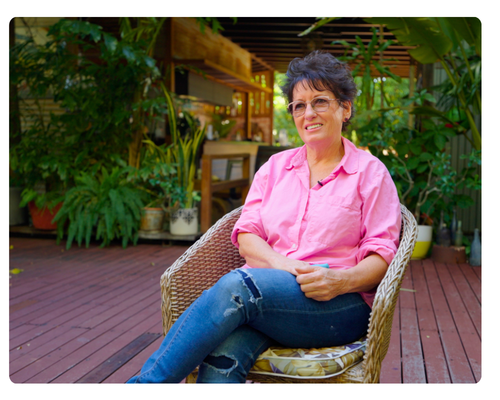
Amanda Wilkinson has spent 35 years learning what the Gulf of Carpentaria can throw at a business, and she wouldn't change a minute of it. She and her husband arrived in Burketown in 1991 with barely more than a dream, planning to start an air charter business in a part of Queensland where the sky feels bigger than almost anywhere else. More than three decades on, that dream has grown into Savannah Lodge, an accommodation and hospitality business Amanda has built from nothing into the heart of the town.
Along the way, Amanda has weathered cyclones, monsoons and one flood so severe it forced her, her staff and her guests onto a helicopter to safety. What she's learned since is less about surviving any single event and more about building a life, and a business, that can absorb whatever the wet season brings. Her story is a reminder that getting ready for severe weather isn't a once off task. It's a way of running a business in North Queensland.
Thirty-five years of Gulf life
Amanda first arrived in Burketown from the Dandenong Ranges outside Melbourne, a landscape about as different from the Gulf as Queensland gets. “We literally came here with not a lot at all, and with just a dream to live here and do something,” she said. What began as plans for an air charter business grew into Savannah Lodge, now in its 33rd year.
“I just love the remoteness, the environment, the lack of people and cars,” Amanda said. “Especially if you go out on the road for a walk and you've just got the whole place to yourself. That big sky effect, I love it.”
That sense of space extends to the community around her. “The community here is special because of its size, everybody knows each other,” she said. “When push comes to shove, everyone really does come together and help each other.”
The flood that changed how she saw severe weather
Amanda points to the 2023 flood as the most severe event she has experienced in the Gulf. “It impacted a lot of people in the town. Houses and properties were inundated, and a lot of wildlife and cattle died. It was terrible to see.”
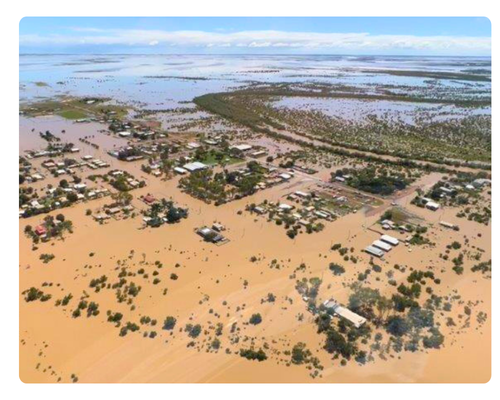
As the water rose, emergency services arrived to fly residents to safety by helicopter. Not everyone left straight away. “A lot of people that had pets didn't, because they couldn't take their pets on the helicopters,” Amanda said.
“The police came around and told us we had to leave. They had their cameras on, and they made you say your name. They were really sure about what they were saying, and the fact that if you decided not to be evacuated, there'd be no other help after this. That was a bit like, oh gee, this is pretty real.”
Once the evacuations were done, Amanda says an unexpected calm settled over what remained of the town, a stillness that held until the floodwater peaked and slowly subsided over the following weeks.
A business built to ride out isolation
For Amanda, being cut off by road for months at a time isn't a crisis, it's simply part of doing business in the Gulf. “It's just a matter of acceptance,” she said. “From our point of view, sometimes it's a nice little break. Call it our holiday time in a way.”
That acceptance is backed by a deliberate strategy. Savannah Lodge isn't Amanda's only income stream. She and her husband also run an air charter business that, unlike the lodge, doesn't slow down when the roads close, and can sometimes pick up. “Sometimes it can increase business, especially if there's a cyclone in the Gulf, or a potential cyclone,” she said. “Everyone tends to go into a situation where let's get all the government workers out of these places, and there's also freight services that might be increased due to the roads not being open.”
Savannah Lodge's customer base also helps buffer the business against severe weather. Around 80 per cent of guests are government workers, local council staff and subcontractors rather than holidaymakers, so a run of cancelled tourist bookings during the wet season doesn't hit as hard as it might elsewhere. The tourists who do come, mostly fishermen chasing barramundi season or visitors flying out to Sweers Island, tend to book around the drier months when the roads are open anyway.
Take action: If your income depends on tourism or road access, look at whether a second income stream or service could help carry your business through the wet season. |
Getting staff and guests ready for the wet season
Savannah Lodge's staff typically arrive around March or April and stay through to the end of the year, and Amanda makes sure new arrivals know exactly what they're in for. “We would definitely make sure they understood what to expect, and that there's always a way out,” she said. “If somebody doesn't want to be here, then we would just say, you can leave if you need to.”
It's advice she wishes more visitors also understood. One year, two backpackers travelled to Adels Grove for Christmas and found themselves stranded for three weeks when rain cut the roads, without a flood in sight. “That's the sort of thing that can happen,” Amanda said. “You've got to be really ready for that sort of thing.”
Amanda has also learned to communicate honestly with guests about seasonal risk without causing unnecessary alarm. From October, isolated storms become more likely, and by February and March, monsoonal weather can cut roads for extended periods. “We would definitely make sure people understand the possible risks,” she said, while being careful not to cancel bookings over forecasts that don't eventuate. “We wouldn't put out anything to potential guests unless we knew for sure there was possibly a problem.”
Take action: Build your household or business emergency plan, including how you'll brief seasonal staff, contractors or guests about wet season risk before they arrive. |
Amanda's advice for anyone starting out in the Gulf
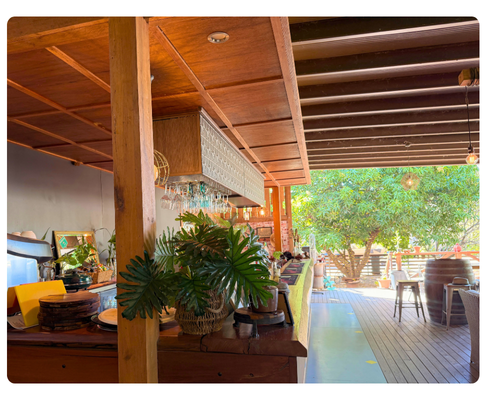
For anyone thinking of running a business in a remote part of North Queensland, Amanda's advice starts with acceptance. “You can't be too scared off from these things,” she said. “If you're going to move to somewhere like this and have a crack at something, you've just got to take what comes.”
Practically, that means making sure insurance is current and covers severe weather. “Making sure your insurance is up to date and that it covers all of these events is very important,” she said. It also means being prepared for an extended period of isolation, not just a day or two, and knowing there is support available when it's needed. “There is support within the community and outside of the community when these events are predicted and actually occur.”
Getting your own business ready for the wet season
Amanda's experience holds lessons for any Queensland business that depends on roads, tourism or a single season to stay afloat.
Know your risk. Contact your local council to understand your property's flood, cyclone or storm tide risk, and talk to your team about what that means for your operations.
| Take action: Connect with your council and check your business's severe weather risk. |
Make a plan that covers isolation, not just a single event. Think through staff rosters, supply timing, communication if phone and internet drop out, and how you will support guests, customers or contractors who may be stuck when roads close.
Diversify where you can. A second income stream, a different customer base or a seasonal adjustment can help your business absorb quieter periods without the financial strain falling on one part of the business alone.
Brief your team and your customers early. Make sure seasonal staff and visiting guests understand the reality of the wet season before they arrive, including that they can leave if conditions change.
Review your insurance every year to make sure it covers the events most likely to affect your business and property, not just the ones that made the news last season.
Next steps
Amanda's story shows that getting ready for severe weather is about building habits into how a business runs all year round, not just reacting when a warning is issued.
Take these steps to get your own business ready this wet season:
Check your business's flood, cyclone and storm tide risk with your local council.
Review your insurance to confirm it covers severe weather events.
Build a business continuity plan that includes staff, supplies and communication.
Brief seasonal staff, contractors and guests on what to expect before the wet season arrives.
Visit the Get Ready Queensland business page for more business preparation tips. Because every Queensland business, wherever it operates, deserves to feel ready.
| For all Queenslanders: For simple ways to get your household ready, head to the severe weather checklist. |