The importance of self-reliance during Queensland’s disaster season
When severe weather warnings start coming through, we all have a choice: feel helpless and hope for the best, or feel confident, prepared and ready to act. Self-reliance in Queensland's storm season isn't about going it alone – it's about having the knowledge, skills, and plans in place so you can help protect yourself and your household when it matters most.
Queenslanders experience more natural disasters than anyone else in Australia. Cyclones, floods, storms, bushfires, and heatwaves are part of living here. That’s the price we pay for living in the best state in Australia.
Our incredible emergency services personnel work hard, and we’re so lucky to have them, but they can't reach everyone immediately when disaster strikes. The households that fare best are the ones who've taken charge of their own preparedness before a crisis hits.
Let's look at how you can build your self-reliance – so you have confidence and capability when (not if!) Queensland's weather turns dangerous.
What is self-reliance?
Self-reliance is the quality of not needing help or support from other people.
Self-reliance doesn't mean refusing help or pretending you don't need community. It means being capable enough to manage your immediate safety and basic needs while emergency services handle critical situations.
Why self-reliance matters in Queensland
Queensland's disaster profile is unique. We face more types of natural disasters, more frequently, than anywhere else in Australia. Cyclones threaten our coast from November to April. Floods can isolate communities for days or weeks. Severe storms can knock out power across entire regions. Bushfires rage through dry vegetation. Heatwaves strain our health and our infrastructure.
Queensland emergency services – SES, fire, ambulance, police – are highly skilled and committed to keeping people safe. But in a large-scale disaster, they're prioritising life-threatening emergencies first. If your power's out, your street's flooded, or you need supplies, you might be waiting a while for external help to arrive. The more you can help yourself in these situations, the better.
Self-reliant households recover faster. People who are prepared not only cope better during the event also bounce back more quickly afterwards. Why? Because they've thought through scenarios, built skills, and made decisions in advance rather than during a state of panic.
Know your risks, own your response
You can't prepare effectively without understanding what you're preparing for. Generic disaster advice can help a bit, but specific knowledge about your actual risks helps even more.
Start by identifying what disasters could impact your area:
- Talk to your local council about disaster history in your specific location
- Check your flood risk using Queensland FloodCheck – enter your address and check out the flood history
- Check bushfire potential in your area
- Understand your elevation and proximity to waterways, coastline, or bushland and don’t forget to consider the roads you use to get in and out of your suburb!
Visit Get Ready Queensland’s Know Your Risk page for a step-by-step guide.
Then, think about your personal situation:
- Do you have medical conditions that rely on power-dependent equipment?
- Are you in an older building that might not withstand extreme winds?
- Do you have young children, elderly family members, or pets who need extra consideration?
- Could you be isolated if local roads flood or bridges wash out?
- How long could you manage without power, water, or access to shops?
Once you know your specific risks and vulnerabilities, you can make informed decisions about what preparation matters most for your situation.
Empowerment comes from knowledge. Instead of worrying about "what if something happens?", you have a clear understanding about what actions you can take to be prepared: "In a Category 3 cyclone, here's what could affect my house and here's what I need to do."
Build your capability before you need it
Self-reliance is built through four types of preparedness: skills, physical resources, financial readiness, and knowledge.
Skills that matter
- Understanding warnings: The Bureau of Meteorology issues different types of warnings for different situations. Spend time now familiarising yourself with what a Severe Thunderstorm Warning means versus a Severe Weather Warning, or when a Tropical Cyclone Watch becomes a Warning. Bookmark the Bureau's Queensland page and practise reading current warnings during non-emergency times, so you understand the format and language before you need it in a crisis.
- Basic utilities management: Locate your gas, electricity, solar power, and water shut-offs now. Make sure responsible household members know where the shut-offs are and how to turn them off safely if instructed. Take a photo of their locations and add it to your household emergency plan.
- First aid: When emergency services are overwhelmed, knowing how to manage injuries, recognise medical emergencies, and provide basic care could save lives. Book a first aid course now, so you have the skills. St John Ambulance and the Red Cross run courses across Queensland.
[H3] Physical preparedness
- Emergency kit: Make sure you have supplies to last at least three days without power, water, or shop access. If you're rural or remote, aim for at least seven days. Download the Emergency Kit Checklist (PDF, 112KB) and build this kit as soon as possible.
- When severe weather is forecast: Know how to prepare your home quickly. This includes securing loose items that could blow around, knowing where to get sandbags and how to use them, filling buckets and baths with clean water before supply is cut, and preparing to protect internal drains and toilets from sewage backflow. Get detailed step-by-step guidance on protecting your home here.
- Alternative power: Consider whether a generator or battery system makes sense for your circumstances. If you have medical equipment that needs power, this isn't optional – it's essential.
- Communication backup: Battery-powered radio, car phone chargers, power banks. When mobile networks fail and power's out, you need alternative ways to receive warnings and stay informed.
- Home maintenance: Simple upkeep makes a big difference. Keep gutters and downpipes clear. Trim overhanging branches (check with your local council first and notify your power distributor if branches overhang power lines). Fix loose roof tiles. Repair rust, broken window seals, and rotting or termite-affected timber. These aren’t disaster-specific preparations; they’re routine home maintenance tasks that also help protect your home during severe weather.
Financial preparedness
- Insurance: Check that your policy covers the types of disasters that could affect your area. Flood cover is not automatic, and storm surge is different from flood damage. Make sure you understand your excess and any coverage limits.
- Emergency funds: Having cash on hand (EFTPOS often fails when power is out) and some savings for unexpected disaster-related costs reduces vulnerability and stress.
Knowledge preparedness
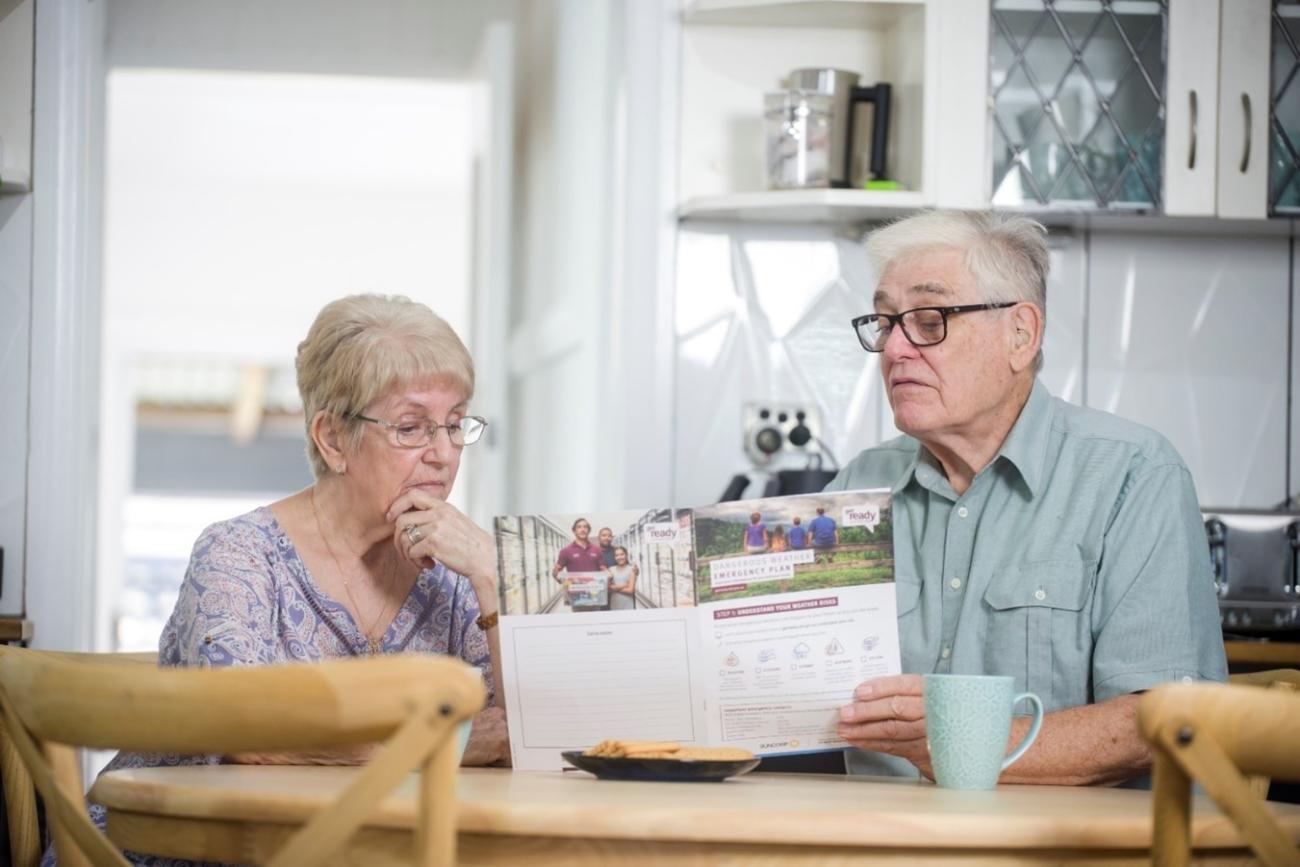
- Your household emergency plan: The Get Ready Queensland Household Severe Weather Emergency Plan takes just a few minutes to complete online. It walks you through the decisions you need to make in advance: Where will you go if you evacuate? How will you communicate if mobile networks fail? Who's responsible for what?
- Understanding warnings: The Bureau of Meteorology issues different types of warnings. Learn what each warning means. Know the difference between a Severe Thunderstorm Warning and a Severe Weather Warning. Understand what cyclone categories tell you about wind speeds and damage.
- Evacuation routes: Don't wait until evacuation is called to work out how you'll leave. Know your evacuation routes now. Check Qld Traffic website for road closures and know alternative routes if your first choice is cut. Check your local council's disaster dashboard for evacuation centre locations and policies. Many councils also have social media pages that provide up-to-date evacuation information before, during and after disaster events.
Create your support network
Self-reliance doesn’t mean facing disasters on your own – it also means knowing who you can rely on. We know from plenty of experience that connected communities recover faster and cope better than isolated individuals.
Build neighbourhood connections before disaster strikes
- Know your neighbours' names and contact details
- Understand who might need extra help (the elderly, people with disabilities, families with young children etc.)
- Share skills – You might have first aid training, while a neighbour has carpentry skills
- Establish communication methods for when phones don't work.
Join or create community networks
- Many Queensland communities have neighbourhood watch or community resilience groups
- Local councils often coordinate community disaster preparedness activities
- Rural Fire Brigade, SES volunteer groups, and community emergency response teams build both capability and connections.
Know when to help others
When you’re prepared, you’re less likely to need help from emergency services. This means you can support your community instead. You might check on elderly neighbours, share supplies, or help clear fallen trees from shared roads. It’s not about heroics; it’s about giving practical support that keeps everyone safe.
Know when to ask for help
Self-reliance doesn’t mean refusing help when you genuinely need it. If you’re injured, your home is severely damaged, or you’re running low on essential medication, reach out. Contact emergency services, community support organisations, or your local council. Seeking the right help when it’s necessary is part of being self-reliant, not a failure of it.
Make decisions in advance
The most powerful aspect of self-reliance is removing decision-making from crisis moments. When you're stressed, tired, and frightened, your brain doesn't make good decisions. When you're calm and have time to think, your brain works properly.
Decide your evacuation triggers now:
- "If Council calls for voluntary evacuation, we'll leave immediately" – decision made
- "If floodwater reaches the second fence post, we're leaving regardless of official warnings" – decision made
- "If the Bureau forecasts a Category 3 or above cyclone within 24 hours, we're evacuating" – decision made.
Write these triggers down in your household plan. Share them with family members. When the trigger happens, you act – no debate, no second-guessing, no "let's just wait and see."
Assign responsibilities in advance:
- Who's responsible for pets?
- Who packs medications?
- Who loads the car?
- Who communicates with extended family?
- Who monitors Bureau of Meteorology warnings?
Complete your Household Severe Weather Emergency Plan together so everyone knows their role. During a crisis, you’ll be following a plan, not trying to make one under pressure.
Test your plans before you need them:
- Pack your emergency kit as a family activity, not a theoretical exercise
- Drive your evacuation route to see how long it takes
- Practice turning off your gas, electricity, and water mains
- Test whether your battery-powered radio works.
Testing can help reveal gaps you can fix now rather than discovering them during an actual emergency.
Stay informed, stay empowered
Information is power, but only if it's accurate and you know how to interpret it.
Reliable information sources:
- Bureau of Meteorology for weather warnings and forecasts
- Get Ready Queensland for preparedness guidance
- Your local council's disaster dashboard for evacuation centres, road closures and local impacts
- ABC Local Radio for continuous emergency broadcasting[JE1]
- Stay up to date with
- Queensland Police Service and Queensland Fire and Emergency Services official social media accounts.
Filter information and avoid panic: During disasters, social media can be buzzing with rumours, outdated information, and panic. There have even been recent instances of false AI images of destruction circulating. Stick to official sources for decision-making. If you see dramatic claims, check them against Bureau of Meteorology or emergency services information before acting on them.
The confidence that comes from being well-informed is genuine self-reliance. You're not waiting on someone else to interpret warnings or tell you what to do – you understand the information and can make appropriate decisions for your household.
Visit Get Ready Queensland’s During a disaster page for more reliable information sources.
Your action plan for self-reliance
Building self-reliance doesn't happen overnight. Start with achievable steps and build from there.
This week:
- Complete your Household Severe Weather Emergency Plan (it only takes a few minutes online)
- Check your risks at Get Ready Queensland
- Download the Emergency Kit Checklist
This month:
- Build your emergency kit – gather the supplies
- Review your insurance policy
- Introduce yourself to neighbours you don't know yet
- Learn to read Bureau of Meteorology warnings
- Locate your gas, electricity, and water shut-offs.
This season:
- Complete home maintenance on Get Ready Queensland's protect your home checklist
- Test your emergency plan and kit
- Check your local council's evacuation centres and routes
- Book a first aid course.
Ongoing:
- Review your household plan annually (September is ideal)
- Update emergency kit supplies as they expire
- Stay connected with neighbours and community
- Monitor Bureau of Meteorology during severe weather season
- Maintain home protection measures year-round.
Essential resources:
- Know Your Risk – Understand what disasters could affect you
- Make a Plan – Complete your household emergency plan
- Pack an Emergency Kit – Build your supplies
- Protect Your Home – Home hardening guidance
- Find Your Local Council – Local evacuation centres and information
- Bureau of Meteorology Queensland – Weather warnings and forecasts
The confidence that comes from being prepared
Being self-reliant in Queensland doesn’t mean facing disasters alone. It means having the skills and supplies to take care of your safety and basic needs, allowing emergency services to focus on those in immediate danger.
The households that cope best with Queensland's severe weather are the ones who have done the work beforehand – not because they're tougher or braver, but because they've built knowledge, skills, and plans that work when they're needed.
Weather events are outside of our control, but we can control how prepared we are to face them. That's genuine empowerment – not hoping for the best, but knowing you've done everything possible to keep yourself and your household safe.
Start today. Pick one action from the list above and do it. Then pick another. Build your self-reliance one step at a time.
When the next weather warning comes through, you'll face it from a place of capability and confidence. That's the power of self-reliance.
Ready to take charge of your safety? Start with one action today. Find your local council's disaster dashboard for evacuation centres, local hazards, and resources specific to your area. Every Queensland council has information and support to help you get ready.