"We flooded once." Here’s how we became more resilient.
How one Queensland family strengthened their home, and what you can learn from it.
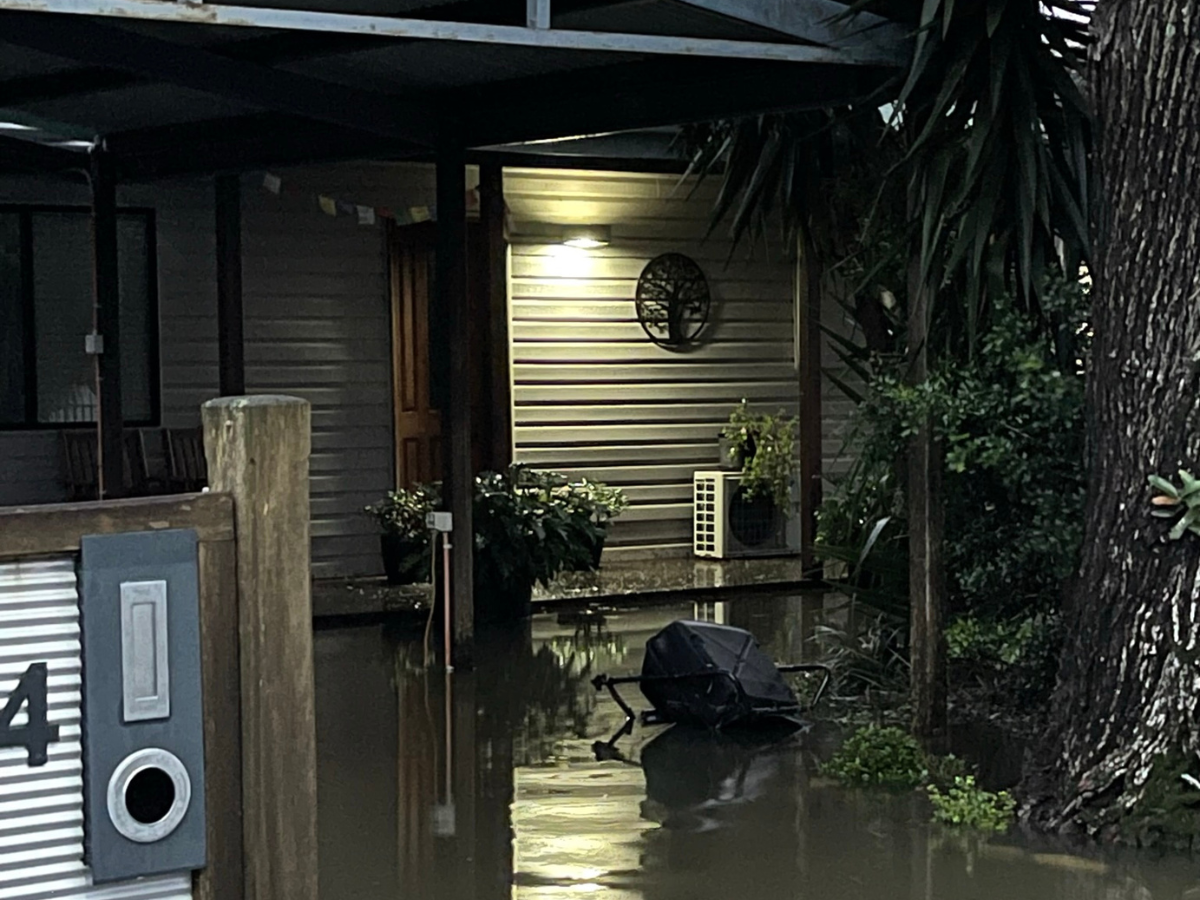
In 2022, a Brisbane family watched floodwater creep closer to their home until, around 9pm, they made the call to leave.
"It wasn't until the next day when we came back that there was evidence that water had come inside. So yeah, we flooded," the homeowner recalls.
The flood itself was only around 150 millimetres, but the damage was significant, with months of clean-up and a year spent out of their home. "They came in and basically gutted all the walls and everything from about halfway up the walls down, ripped out all floor."
Rather than simply repairing and moving on, the family made a series of changes, big and small, to strengthen their home against the next flood. Here's what they did, in their own words, and how you can apply the same thinking to your place.

1. They considered their risk before deciding what to do
Not every flood-prone home needs the same response. This family's decision was shaped by their specific experience in their home.
A property affected by riverine and flash flooding, with a floor level below what Brisbane City Council considers a safe flood level.
If you're in a flood-prone area, understanding your own risk is the starting point.
Riverine flooding, flash flooding, and storm surge or storm tide all behave differently, and your local council can tell you how your property, or your floor level, sits relative to expected flood levels. That's the information that determines what kind of resilient design actually makes sense for your home.
| 
|
2. They raised their home only as high as they needed to
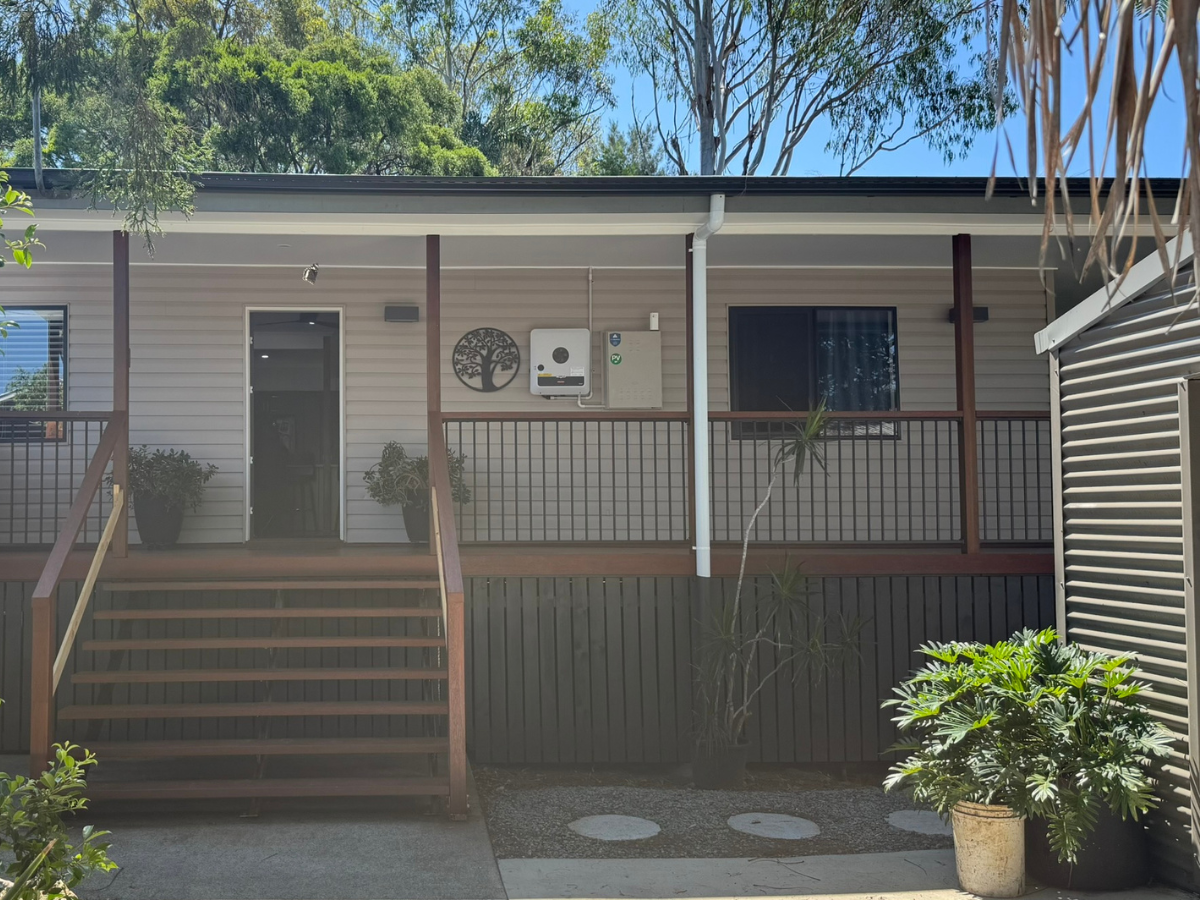
The family's major resilient design decision was to physically lift their house.
They didn't overdo it.
"We only lifted 1.5 metres above the flood levels that Brisbane City Council set. We didn't want to raise the house right up high in the sky, due to the aesthetics that we wanted because it was more a cottage style house."
If you're in a high flood-risk area and considering renovating, this is a genuine resilient design option worth discussing with your builder. A licensed builder or engineer can advise on the right height for your property and local flood levels, so you're not raising higher (or spending more) than you need to.
3. They moved shelving and power points above flood height
Alongside the bigger structural change, the family made a much smaller, low-cost adjustment in their shed.
"I'd previously fixed up shelving in my shed and lifted power points up above the flood levels, so that was just a matter of lifting a few things up off the ground. It's a steel frame shed, so it's basically just a gerni out."
This is a change almost any homeowner in a flood-prone area can make, reno or no reno. Lifting shelving, wiring and power points above expected flood height doesn't require a major project, but it can make a real difference to how much you need to clean up and replace next time.
4. They kept up their preparation routine, even after the bigger changes
When water rose again during ex-Tropical Cyclone Alfred, the family didn't just rely on the house-raising. They were still watching conditions closely and staying prepared.
"I remember standing on the deck and looking at the water rising and saying, 'have we raised high enough?' Because I think there was probably just that anxiety from past events, and second guessing yourself. But we were relieved to know that it just stopped where it did."
Resilient design doesn't replace the need for a solid preparation routine when weather is on the way. Even with permanent changes in place, it's important to know your home's safest areas, watching water levels, and being ready to act if needed.
The result: less damage, less stress
The combination of raising the home and the smaller shed changes meant the second flood played out very differently.
"It was a lot better this time around, after, you know, learning from the previous floods."
The family also reflected on how often these events now seem to occur.
"We get our 100-year events every three years now, so I think we're pretty prepared for the next four or five of them. Like, obviously we'll get water in, but it comes up and it goes away just as quick, so I don't think we need to worry too much more about anything really, now that we're up in the air."
For them, the biggest change has been peace of mind.
"It's just relieved a lot of that stressful side of it."
What you can take from their experience
This family's approach shows resilient design doesn't have to be one big decision. It's a combination of knowing your risk, making the structural change that suits your property, and adjusting the smaller things around your home, all backed up by good preparation habits when severe weather approaches.
If you're weighing up your own options, their experience points to a few practical starting points:
- Know your specific flood risk and how your property sits relative to flood levels.
- Look into whether raising your home is realistic for your situation, and what support (like the Resilient Homes Fund) might be available.
- Make small, low-cost changes now, like lifting shelving and power points, even if a bigger project isn't on the cards yet.
- Keep your preparation routine going, even after you've made resilient design changes.
Whether you're just starting to think about your flood risk or ready to talk to a builder about a bigger change, this family's story shows that even relatively small, permanent decisions can make a lasting difference.
No matter which severe weather you might face, cyclone, flood or bushfire, the same idea holds true: strengthening your home can turn something quite stressful into something much more manageable. Maintenance and preparation will always be key, but resilient design is one that you don’t need to worry about just prior to an event. It's the resilience gold star, and making a few key changes now can make the difference to every Queensland home.