On this page
Flood-resilient building design
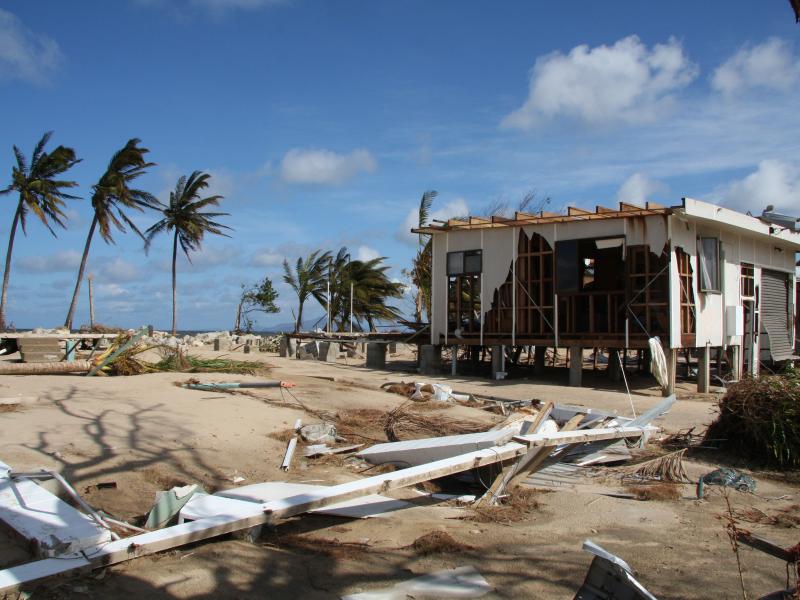
Flood-resilient homes are designed using materials that can endure repeated flooding with minimal long-term damage.
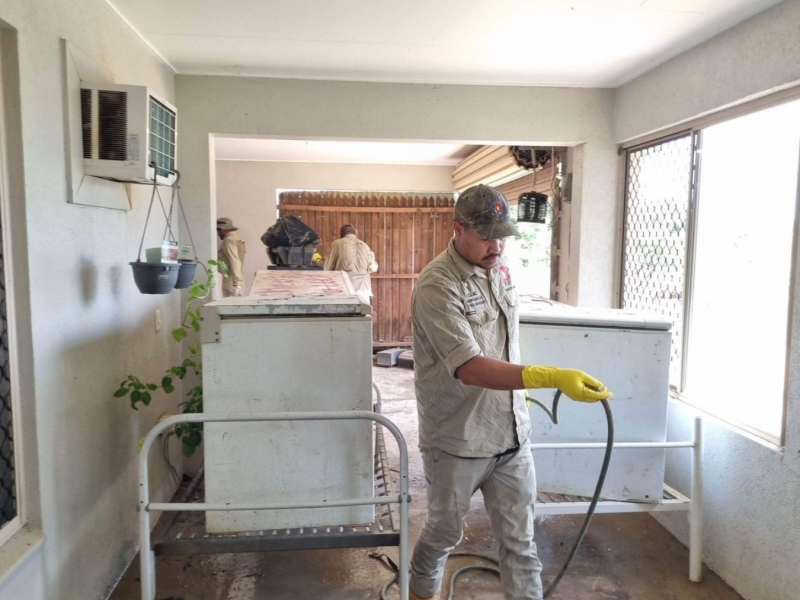
These homes are not just about staying structurally sound, they make it easier to prepare ahead of time, protect belongings, and clean up after a flood.
Flood-resilient design can help reduce both the impact of flooding and cost of repairing your home.
Making your home more resilient to flooding may:
- minimise the chance of flood damage to your property
- minimise the costs of repairs and help get your life back to normal sooner after a flood
- prepare your home for changing flood conditions in the future.
New design guidance now available!
This page includes helpful information about flood resilient building design.
For more information, read our Design Guidance for Flood Resilient Homes.
Types of flood-resilient strategies


Types of homes
The options available to you to strengthen your home for flood depend on the type of home you have.
Looking at how your home is built can tell you what type of home you have. We've included a few examples of common types of homes in Queensland to help you get started.
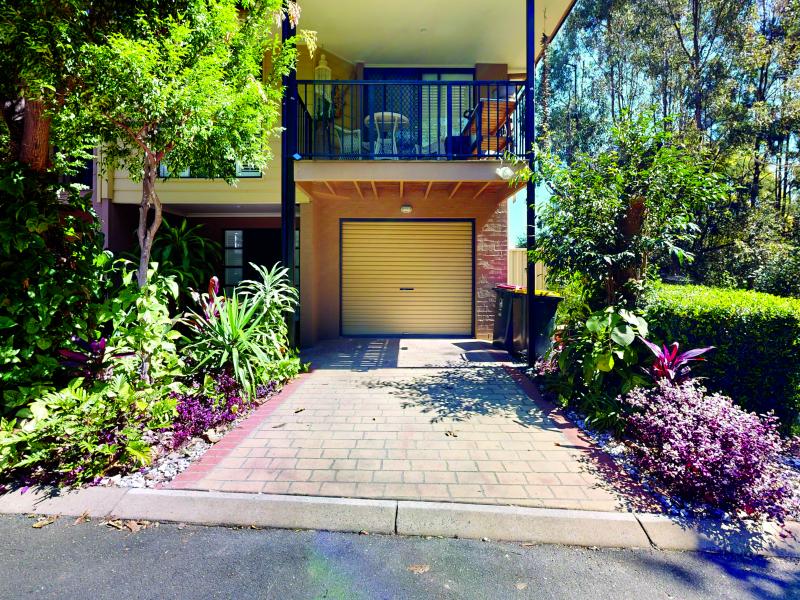


Tips for identifying your typology
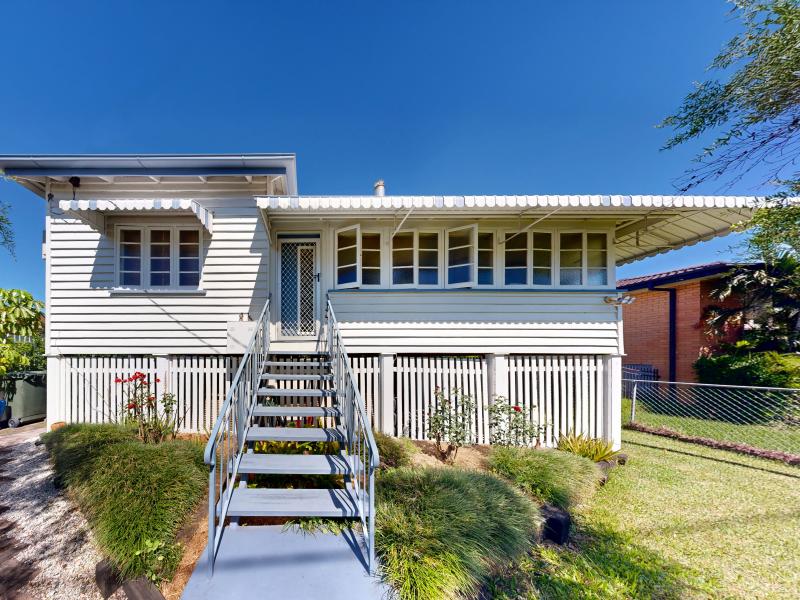
Look at your home’s foundations: is it on a slab or elevated? Look at the materials: do you have a brick veneer, is there timber framing inside? If in doubt, talk to a licensed contractor or builder about options for your home.
Choosing strategies for your home
The way your home is built affects what options will work best. The best approach is to choose solutions that suit your specific home.
For example:
- A high-set timber home on stumps has an elevated floor level and accessible subfloor, making it more adaptable to higher flood depths and easier to modify with improved drainage, enclosure systems, or structural bracing.
- A brick veneer home on a slab sits close to the ground, making it more vulnerable to overland flooding. Resilience measures may focus on using flood-resilient materials, improving site grading and drainage, or raising services above expected flood levels.
A licensed builder can help with choosing strategies to suit your home and budget.
Retrofitting strategies
Take a look at some examples of retrofitting strategies across the home. Hover over the hotspots for more information.
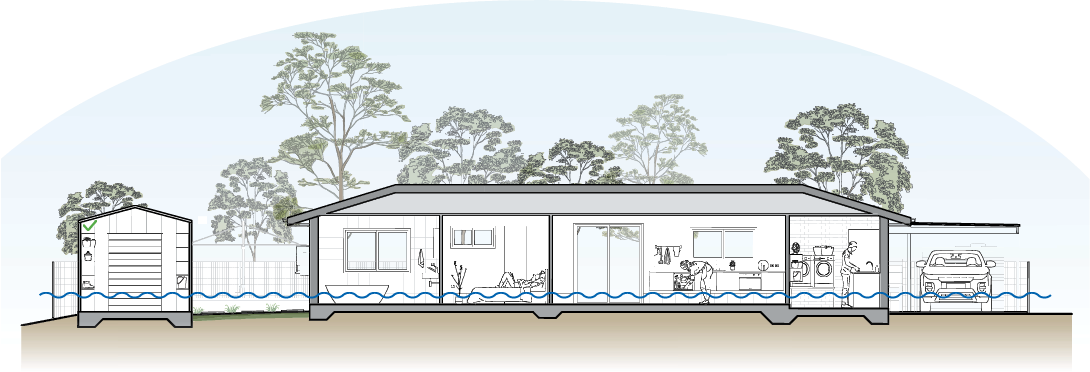
Raise storage shelves so that belongings avoid damage from flooding.

Use flood-resilient grout on tiles such as epoxy.

Use rigid cell insulation in cavity walls to minimise risk of mould.

Raise services like air conditioner units and switchboards.

Install freestanding bathtub to minimise gaps where water can be trapped. It also makes clean-up easier.

Raise powerpoints above the flood level to avoid damage.

Replace cavity walls with non-cavity walls to minimise the chance of mould and make it easier to clean.

Install door sills that are flush to the floor to make it easier to sweep out flood water and debris.

Use flood-resilient wall linings to minimise water damage.

Replace non-resilient flooring and skirting with materials that are flood-resilient.

Raise electrical appliances like dishwashers, dryers and washing machines above the flood line.

Replace non-water-resistant cabinetry with a flood-resilient material and install removable kickboards to make cleaning easier.

Replace hollow core doors with solid core doors that are painted on all sides (including the bottom of the door).

Install a permeable garage door to allow water to flow through and minimise damage to the door itself.

Raise storage shelves so that belongings avoid damage from flooding.
Use flood-resilient grout on tiles such as epoxy.
Use rigid cell insulation in cavity walls to minimise risk of mould.
Raise services like air conditioner units and switchboards.
Install freestanding bathtub to minimise gaps where water can be trapped. It also makes clean-up easier.
Raise powerpoints above the flood level to avoid damage.
Replace cavity walls with non-cavity walls to minimise the chance of mould and make it easier to clean.
Install door sills that are flush to the floor to make it easier to sweep out flood water and debris.
Use flood-resilient wall linings to minimise water damage.
Replace non-resilient flooring and skirting with materials that are flood-resilient.
Raise electrical appliances like dishwashers, dryers and washing machines above the flood line.
Replace non-water-resistant cabinetry with a flood-resilient material and install removable kickboards to make cleaning easier.
Replace hollow core doors with solid core doors that are painted on all sides (including the bottom of the door).
Install a permeable garage door to allow water to flow through and minimise damage to the door itself.
Raise storage shelves so that belongings avoid damage from flooding.
Use flood-resilient grout on tiles such as epoxy.
Use rigid cell insulation in cavity walls to minimise risk of mould.
Raise services like air conditioner units and switchboards.
Install freestanding bathtub to minimise gaps where water can be trapped. It also makes clean-up easier.
Raise powerpoints above the flood level to avoid damage.
Replace cavity walls with non-cavity walls to minimise the chance of mould and make it easier to clean.
Install door sills that are flush to the floor to make it easier to sweep out flood water and debris.
Use flood-resilient wall linings to minimise water damage.
Replace non-resilient flooring and skirting with materials that are flood-resilient.
Raise electrical appliances like dishwashers, dryers and washing machines above the flood line.
Replace non-water-resistant cabinetry with a flood-resilient material and install removable kickboards to make cleaning easier.
Replace hollow core doors with solid core doors that are painted on all sides (including the bottom of the door).
Install a permeable garage door to allow water to flow through and minimise damage to the door itself.
Home raising
Take a look at some examples of home raising strategies across the home. Hover over the hotspots for more information.
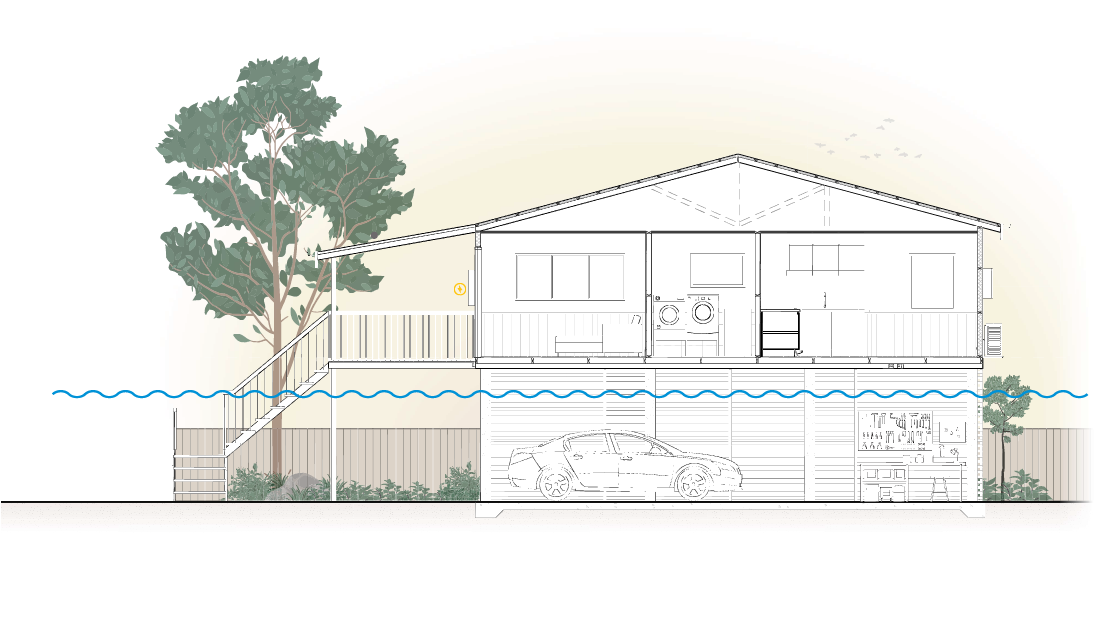
Remove roof sheeting before raising to avoid extra scaffolding costs.

Raise switchboards above the flood level to avoid water inundation.
Separate circuits between upstairs and downstairs.

Carry out maintenance works before you raise to avoid extra costs.
Consider painting the underside of your house for easy cleaning and to minimise mould.
Raise appliances like your washing machine and dryer above the flood level.
Remove and replace non-water-resistant substrates to minimise warping, rot and damage.
Attach utilities to house before raising to avoid extra costs.
Raise your home above the projected flood level. Flood levels vary by suburb. You can check your projected flood level with your local council.

Remove roof sheeting before raising to avoid extra scaffolding costs.
Raise switchboards above the flood level to avoid water inundation.
Separate circuits between upstairs and downstairs.
Carry out maintenance works before you raise to avoid extra costs.
Consider painting the underside of your house for easy cleaning and to minimise mould.
Raise appliances like your washing machine and dryer above the flood level.
Remove and replace non-water-resistant substrates to minimise warping, rot and damage.
Attach utilities to house before raising to avoid extra costs.
Raise your home above the projected flood level. Flood levels vary by suburb. You can check your projected flood level with your local council.
Remove roof sheeting before raising to avoid extra scaffolding costs.
Raise switchboards above the flood level to avoid water inundation.
Separate circuits between upstairs and downstairs.
Carry out maintenance works before you raise to avoid extra costs.
Consider painting the underside of your house for easy cleaning and to minimise mould.
Raise appliances like your washing machine and dryer above the flood level.
Remove and replace non-water-resistant substrates to minimise warping, rot and damage.
Attach utilities to house before raising to avoid extra costs.
Raise your home above the projected flood level. Flood levels vary by suburb. You can check your projected flood level with your local council.
Local stories
Hear real stories from homeowners who have adapted their homes to better withstand flooding. Learn how working with builders has helped them reduce future flood risk and feel more prepared.


Getting started
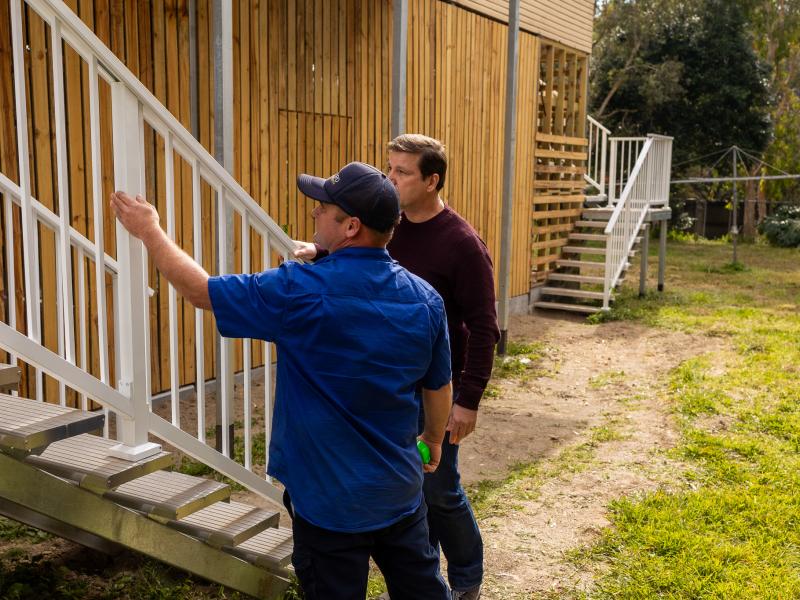
Building, raising or retrofitting a home can be a complex process. Before beginning any building, renovation or flood-resilience work, check with your local council to see what flood information is available and whether any approvals or conditions apply.
Every house is different, and you should consult with a professional to help you figure out the best options to suit your house, risk and budget.


Recovery support
If you have been impacted by a disaster and are looking for recovery support, please visit our information about how to access support after a disaster.
Find out more and Get Ready
Check out these other pages and resources to help you Get Ready.