On this page
Know your risk
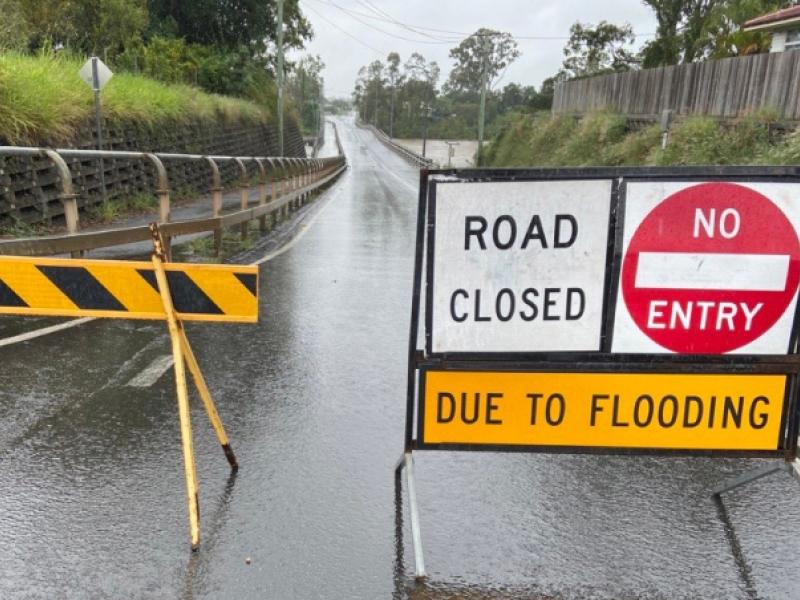
The impact of flooding on roads can be significant; however not something drivers encounter regularly. Queensland has the longest and most diverse road network in the country, traversing multiple climate zones. Each flood, each road, each storm, each driver, each community is different.
Floodwater
Flooding removes one of a driver's most important tools: the ability to read the road. The fact is, that floodwater can be unpredictable and dangerous. It has the power to sweep away your car and rip up the road.
The Drive
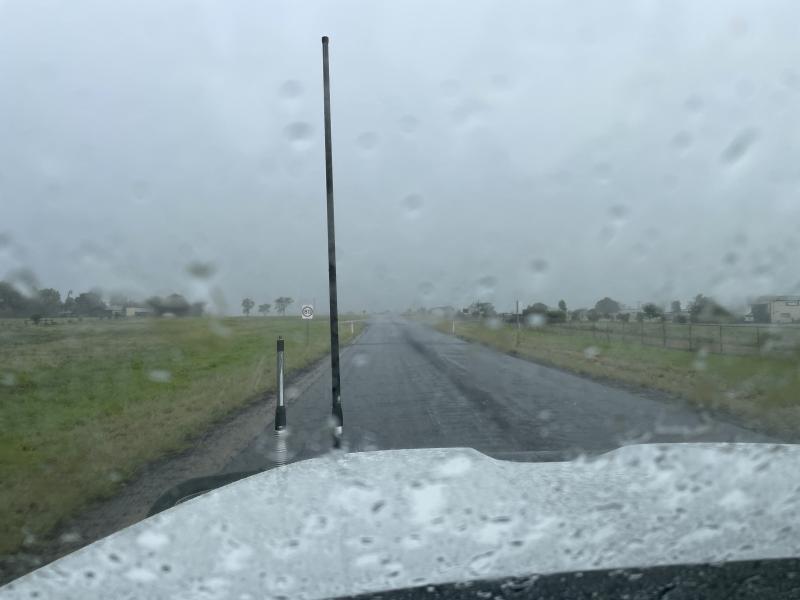
Driving during severe weather in Queensland, you never know what’s around the corner. It doesn’t matter if you’re a lifelong resident or new to sunny Queensland, it’s important to stay vigilant when it comes to your safety on the road.
Your Vehicle
Research suggests most drivers are not aware of the limitations of their car, with many overestimating its capacity to drive through floodwater, even if they’ve never tried. It's easy to think that our car can protect us in all weather conditions, but the bottom line is, cars are not built for floodwater. Cars are designed to keep us safe on the road but once you hit water, it becomes a completely different story.
Floodwater can disable your car
Cars and water are a dangerous mix. Driving into floodwater can cause serious damage to your car’s engine, steering, brakes and electrical systems. Electric windows and doors can stop working. As water rises around your car, pressure can make the doors difficult or impossible to open. Don’t risk getting stuck inside your car. Modern cars are often sealed for air-conditioning and sound proofing, which makes them more buoyant. The bottom line is, cars are not built for floodwater.It doesn't matter what car you drive, or how good you are at driving
A well fitted out 4WD with a snorkel can handle some tough conditions, but flooded roads are in a category of their own. The normal precautions aren’t enough. The ‘wading depth’ listed in your car’s manual is designed for still or low speed currents. They don't consider the many dangers of floodwater. It's not worth the risk.Don’t risk the cost
Driving into floodwater could cost you your car, and leave you with the bill for the damage. If your car is written off or damaged after you deliberately drive into floodwater, comprehensive insurance may not cover you. You could be left paying thousands of dollars for a car you can no longer drive.Make a Plan
Three quarters of Queenslanders have experienced driving in and around floodwaters in the past two years. The best way to avoid driving in floodwater is to be prepared. Prepare for bad weather now, not in the moment.
Before you get in the car
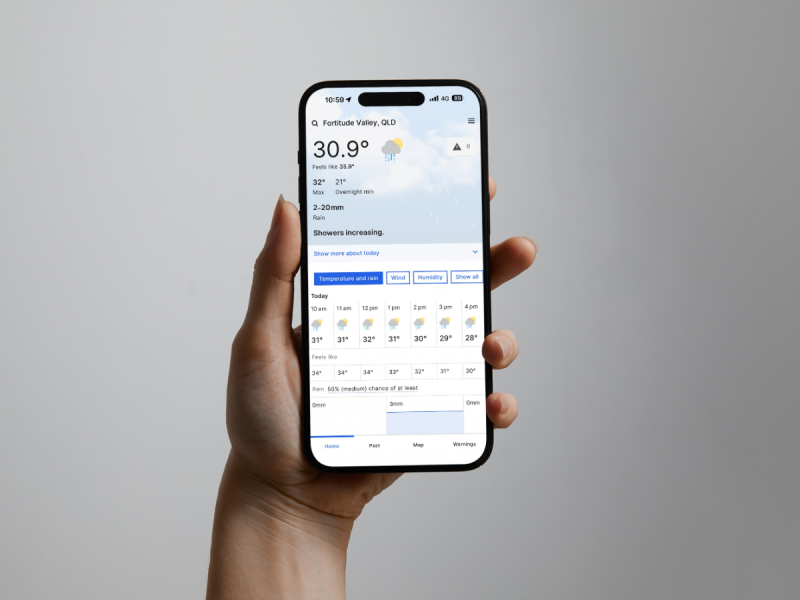
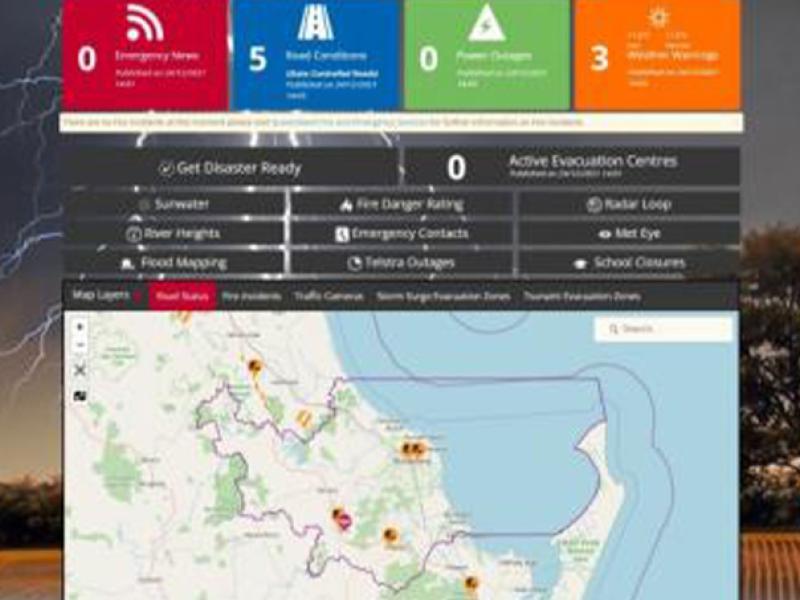
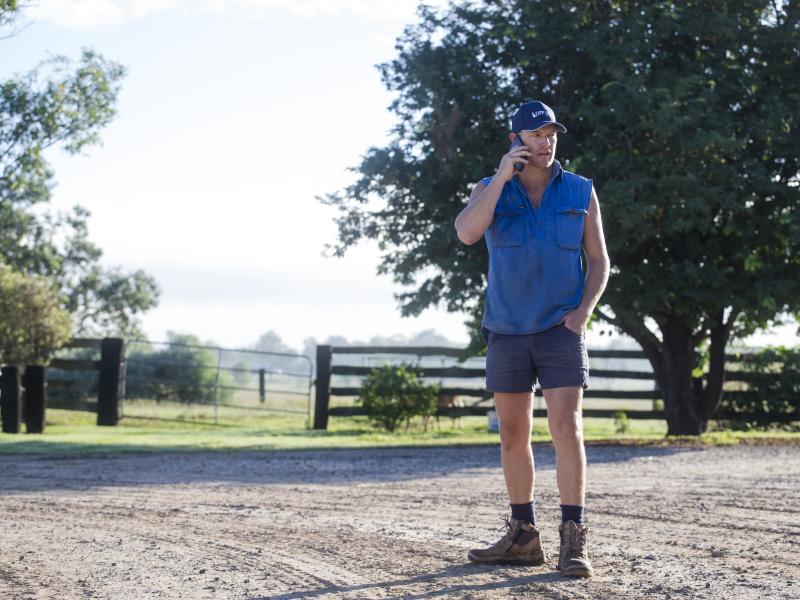
While you're on the road


Pack a Kit: emergency essentials for your car
Here are some potentially lifesaving items to have in the car. Some should be kept where the driver can reach them, while others can be stored safely in the back for when you need to pull over and wait until it is safe to travel again.
At arm's reach
The safest choice is to avoid the risk of floodwater completely, however an emergency hammer, waterproof torch and foil blanket can help if you get stuck or trapped in your vehicle. They should be kept where the driver can reach them. If your windows stop working, breaking them is almost impossible without a vehicle emergency hammer.

In the boot
Keeping a vehicle emergency kit in the boot will mean you are prepared for the unexpected. Be sure to pack: a first aid kit, bottled water and long-life food, toilet paper, a blanket, toolkit, tarpaulin, torch and batteries, a shovel and tow rope (if your car is equipped for towing.)